

Plunge Saws
Pay in 3 interest-free payments on purchases from £30-2000 with  . Learn more.
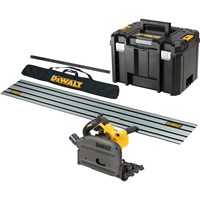
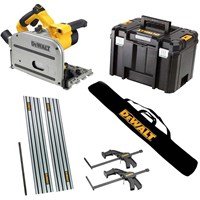
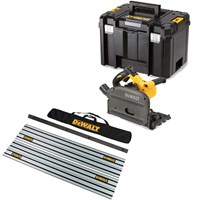
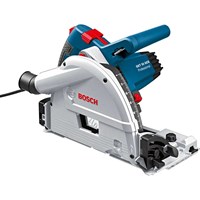
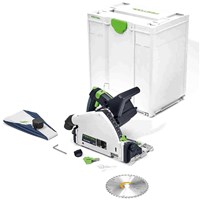
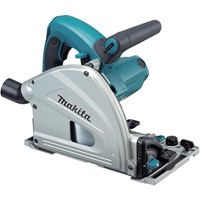
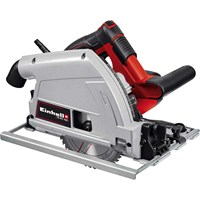
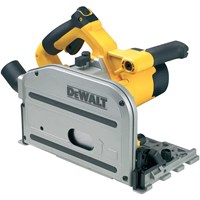
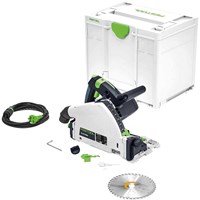
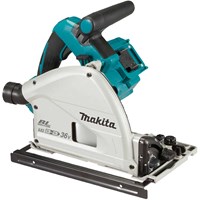
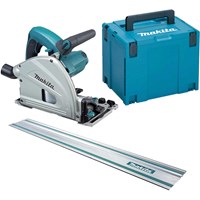
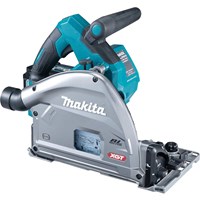
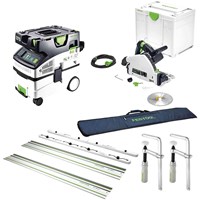
Makita SP6000K1 Plunge Cut Circular Saw and Guide Rail Accessory 2 Piece Set
in stock
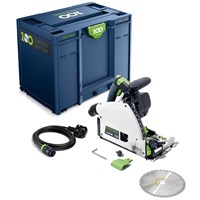
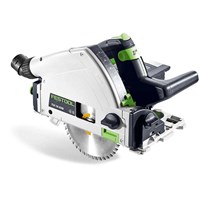
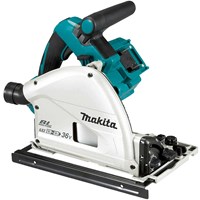
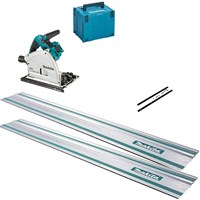
Makita DSP600ZJ Twin 18v LXT Cordless Brushless Plunge Saw 3 Piece Kit
in stock
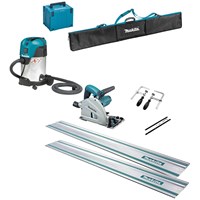
Makita SP6000K7 Plunge Cut Circular Saw and Guide Rail Accessory 7 Piece Set
in stock
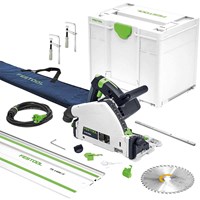
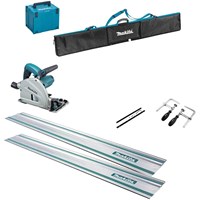
Makita SP6000K6 Plunge Cut Circular Saw and Guide Rail Accessory 6 Piece Set
in stock
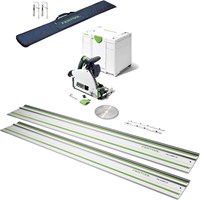
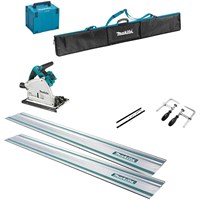
Makita DSP600ZJ Twin 18v LXT Cordless Brushless Plunge Saw 6 Piece Kit
in stock
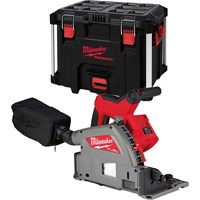
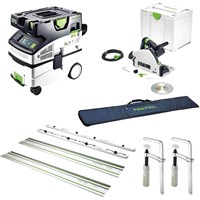
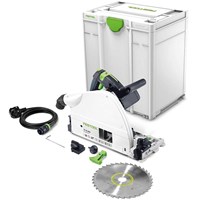
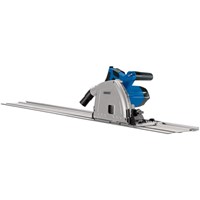
 Loading...
End of content
Error - No more pages to load
About Plunge Saws
Plunge saws are precision cutting tools that combine the portability of a circular saw with the accuracy of a table saw. Unlike standard circular saws, plunge saws feature a spring-loaded blade guard that allows the operator to lower the blade into the material at any point along the cut, making them ideal for creating internal cutouts and achieving perfectly straight, splinter-free edges. Used in conjunction with a guide rail system, these versatile power tools deliver professional-grade results on sheet materials, worktops, doors, and large timber sections.
MyToolShed.co.uk stocks an extensive range of plunge saws from premium brands including Festool, Makita, DeWalt, Milwaukee, and Bosch Professional. Available in both corded 240v models and cordless variants powered by lithium-ion batteries, our selection includes 165mm plunge saws suitable for cutting depths up to 55mm, complete guide rail kits, and models with integrated dust extraction systems for cleaner working environments.
Applications
Plunge saws are essential tools for a wide range of trades and applications:
- Carpenters and joiners – cutting worktops, kitchen units, door blanks, and precision timber work
- Shop fitters and kitchen fitters – creating accurate cutouts for sinks, hobs, and appliances
- Flooring specialists – cutting laminate, engineered wood, and large sheet flooring materials
- Shopfitting and exhibition contractors – processing display panels, MDF, and composite boards
- General builders – cutting insulation boards, plasterboard, and construction panels
- Cabinet makers – producing clean, splinter-free cuts on veneered and laminated panels
- DIY enthusiasts – home renovation projects requiring professional-standard straight cuts
Choosing The Right Plunge Saws
When selecting a plunge saw from MyToolShed.co.uk, consider these key factors:
Power Source: Choose between corded 240v models for continuous power on site with mains electricity, or cordless battery-powered saws for maximum portability and flexibility on sites without power access. Cordless options like the DeWalt 54v FlexVolt range offer comparable performance to corded alternatives.
Blade Diameter: Most plunge saws feature 165mm blades providing maximum cutting depths of 55mm at 90 degrees, suitable for the majority of applications including worktops and standard sheet materials.
Guide Rail System: Decide whether to purchase a saw body only or a complete kit including guide rails. Guide rails can be joined together for cutting larger panels, and various lengths are available to suit different project requirements.
Dust Extraction: Models with efficient dust extraction ports connect to workshop vacuums, essential for maintaining clean working conditions and protecting respiratory health when cutting MDF and composite materials.
Additional Features: Look for variable speed control for different materials, brushless motors for extended runtime and durability, and electric brake systems for enhanced safety.
Safety Information
Plunge saws generate fine dust particles that can be hazardous, particularly when cutting MDF, chipboard, and certain hardwoods. Always connect your plunge saw to a suitable dust extractor and wear appropriate respiratory protection. Hearing protection is strongly recommended as these tools can produce noise levels exceeding 85dB. Always wear safety glasses to protect against flying debris, ensure the guide rail is properly secured before cutting, and allow the blade to stop completely before lifting the saw from the workpiece. Never bypass safety guards or attempt to operate the tool with damaged components.
Frequently Asked Questions
What's the difference between a plunge saw and a circular saw?
A plunge saw features a spring-loaded blade guard that allows the blade to be plunged into the material at any point, and is designed to work with a guide rail system for perfectly straight, splinter-free cuts. Circular saws are more versatile for freehand cutting but don't offer the same level of precision or clean edge finish that plunge saws deliver when used with guide rails.
Can I use a plunge saw without a guide rail?
While technically possible, plunge saws are specifically engineered to work with guide rail systems, and using them freehand negates their primary advantages of accuracy and clean cutting. For freehand work, a standard circular saw would be more appropriate and cost-effective.
What length guide rail do I need?
Guide rail length depends on your typical material sizes. A 1.4-1.5 metre rail suits most standard sheet materials and worktops, whilst 700mm rails are ideal for smaller projects and easier storage. Multiple rails can be connected together for cutting full 2.4 metre sheets or longer materials.