

Workbenches & Vices
Pay in 3 interest-free payments on purchases from £30-2000 with  . Learn more.

 Loading...
End of content
Error - No more pages to load
About Workbenches & Vices
A solid workbench and reliable vice form the foundation of any professional workshop or home garage. Whether you're a joiner crafting fine furniture, a mechanic servicing vehicles, or a DIY enthusiast tackling weekend projects, having a stable work surface and secure clamping system transforms the quality and efficiency of your work. MyToolShed.co.uk brings together everything you need to create a productive workspace, from heavy-duty industrial workbenches and precision engineer's vices to portable workmate benches and traditional anvils.
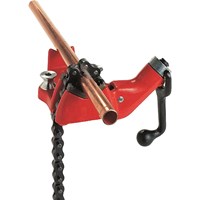
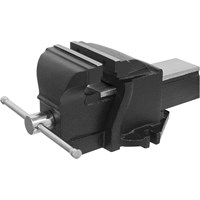
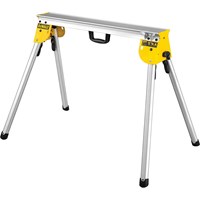
This category includes fixed workshop stations with integrated storage, folding portable benches ideal for site work, and various types of vices—from woodworking bench vices and metalworking engineer's vices to specialist pipe vices and quick-release models. Supporting equipment includes sawhorses and trestles for temporary work surfaces, tool workstations designed around specific trades, and anvils for metalworking tasks. Each product type serves distinct purposes, and selecting the right combination depends on your trade, available space, and the materials you work with most frequently.
Applications
Workbenches and vices serve a diverse range of professionals and enthusiasts:
- Joiners and carpenters rely on sturdy woodworking benches with integrated vices for precision joinery, planing, and assembly work
- Mechanics and automotive technicians use heavy-duty benches for component servicing, with engineer's vices for metalwork
- Electricians and plumbers benefit from portable workmate benches on site and workshop benches with integrated 240v power outlets
- Engineers and fabricators require robust metalworking benches with precision vices and anvils for shaping and assembly tasks
- Maintenance teams across facilities use general-purpose workbenches for equipment repairs and servicing
- DIY enthusiasts and hobbyists choose space-saving folding benches and multi-purpose vices for home workshop projects
- Decorators and tilers employ sawhorses and trestles as temporary work surfaces on site
Choosing The Right Workbenches & Vices
Work Type and Materials: Woodworkers need benches with softer surfaces that won't damage timber, often with bench dog holes. Metalworkers require tougher surfaces that can withstand hammering and grinding, paired with engineer's vices. Consider whether you'll be working primarily with wood, metal, or mixed materials.
Space and Portability: Fixed workshops accommodate permanent heavy-duty benches with maximum stability and integrated storage. For site work or small garages, folding workmate benches and portable sawhorses offer flexibility. Ensure adequate clearance around the bench for comfortable movement—typically 900mm on the working side.
Construction Quality: Professional benches feature hardwood or thick engineered wood surfaces (typically 40-60mm), steel or cast-iron frames, and reinforced leg assemblies. Vice quality varies from cast iron for durability to pressed steel for economy—cast iron offers superior longevity for heavy use.
Load Requirements: Match the bench's load capacity to your typical workpieces. Engine rebuilds require 500kg+ capacity, while electronics repair needs minimal load bearing. Check both static and dynamic ratings, as hammering creates different stresses than simply supporting weight.
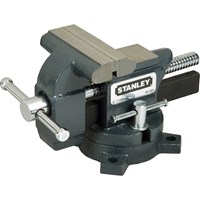
Vice Selection: Choose vice jaw width based on typical workpiece sizes—100-125mm suits general DIY, 150-175mm serves most professional needs, whilst 200mm+ handles large-scale work. Quick-release mechanisms save time on high-volume work, and swivel bases add versatility for accessing different angles.
Safety Information
- Ensure workbenches are positioned on level, stable floors and secured against movement during use
- Check vice mounting bolts regularly and re-tighten as needed, as vibration from use can loosen fixings over time
- Never exceed the stated load capacity of benches or vices, as overloading risks collapse and serious injury
- Wear appropriate PPE including safety glasses when grinding, cutting, or striking metal components secured in vices
- When using integrated electrical sockets, ensure all power tools have been PAT tested and circuits include RCD protection as required by UK electrical safety standards
Frequently Asked Questions
What's the difference between a woodworking bench and a general workshop bench?
Woodworking benches feature softer work surfaces (typically hardwood like beech) that won't damage timber, integrated vices, and rows of bench dog holes for versatile workholding. General workshop benches have tougher surfaces resistant to impacts, spills, and heat, with simpler vice mounting and often integrated storage. Woodworking benches prioritise precision and material care, whilst workshop benches emphasise durability across multiple materials.
Can I mount a vice to any workbench?
Most benches accommodate vice mounting, but the bench must be sufficiently thick and robust. A minimum 25-30mm thick work surface is needed for secure mounting, though 40mm+ is preferable for heavy-duty vices. Some portable or lightweight benches aren't suitable for large vices. MyToolShed.co.uk recommends checking the vice mounting requirements and bench specifications before purchasing—through-bolting provides the strongest fixing.
Are folding workbenches strong enough for professional use?
Quality folding benches offer surprising load capacities (often 200-300kg) suitable for many professional applications, particularly site work where portability is essential. However, they lack the absolute rigidity of fixed benches, making them less suitable for heavy metalwork or precision joinery requiring maximum stability. Many tradespeople use both—fixed benches in workshops and folding options for site work.