

Wire Cup Brushes
Pay in 3 interest-free payments on purchases from £30-2000 with  . Learn more.
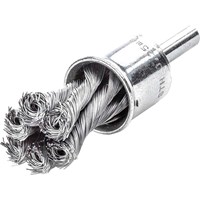
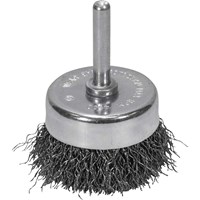
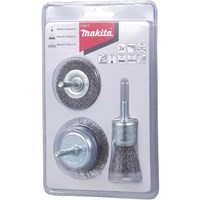
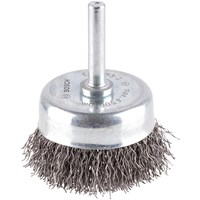
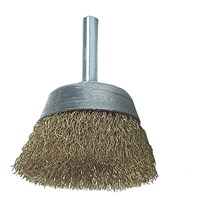
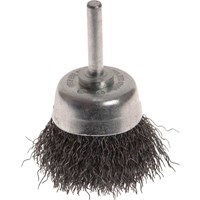
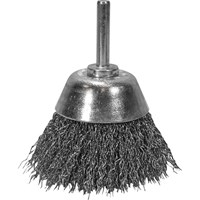
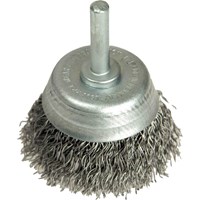
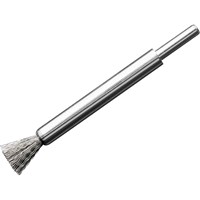
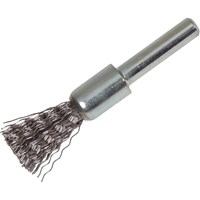
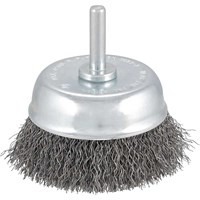
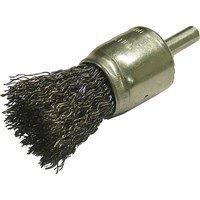
 Loading...
End of content
Error - No more pages to load
About Wire Cup Brushes
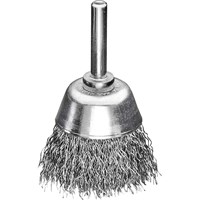
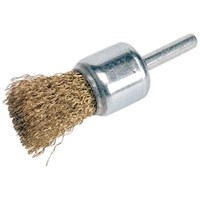
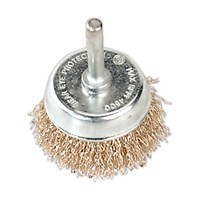
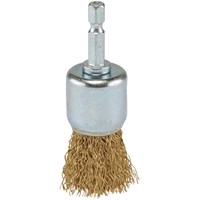
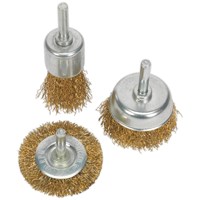
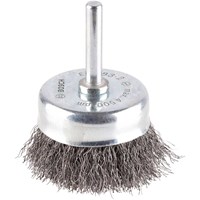
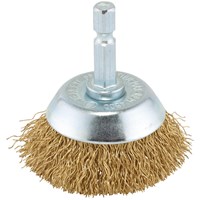
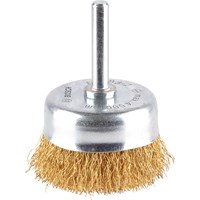
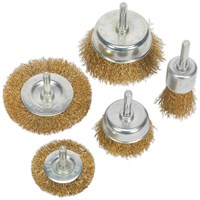
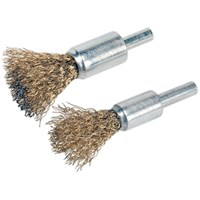
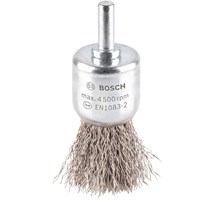
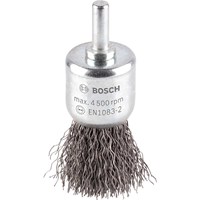
Wire cup brushes are essential rotary cleaning tools designed for use with angle grinders and power drills, ideal for heavy-duty surface preparation and cleaning tasks. These robust accessories feature wire bristles arranged in a cup formation, providing aggressive cleaning action for removing rust, paint, scale, and corrosion from metal surfaces. MyToolShed.co.uk stocks a comprehensive range from leading brands including Bosch Professional, Lessmann, Sealey, Draper, Faithfull, and Makita, offering both crimped and knotted wire configurations.
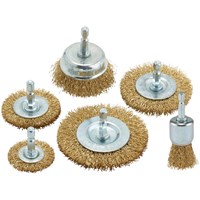
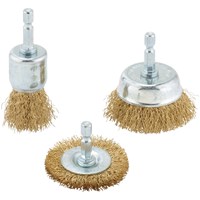
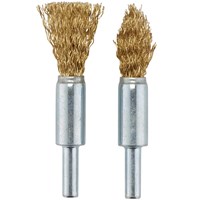
Available in various wire materials including steel, stainless steel (inox), and brass, wire cup brushes are supplied with either 1/4" shanks for drill use or threaded arbors (typically M14) for angle grinder mounting. The selection at MyToolShed includes different wire thicknesses ranging from 0.2mm for lighter finishing work to 0.35mm for aggressive material removal, ensuring tradespeople and DIY enthusiasts can find the right tool for their specific application.
Applications
Wire cup brushes are indispensable across numerous trades and industries:
- Welding and Fabrication: Preparing metal surfaces for welding, brazing, and soldering by removing mill scale, oxidation, and contaminants
- Automotive Mechanics: Decarbonising engine components, cleaning cylinder heads, and removing rust from chassis and body panels
- Metal Fabrication: Surface finishing, weld cleaning, and preparing steel for coating or painting
- Construction and Maintenance: Cleaning structural steelwork, removing old paint and corrosion from metalwork
- Marine Applications: Preparing stainless steel and metal fittings, removing barnacles and marine growth
- General Metalworking: Deburring, surface texturing, and general cleaning of ferrous and non-ferrous metals
Choosing The Right Wire Cup Brushes
Selecting the appropriate wire cup brush depends on several key factors:
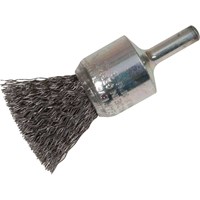
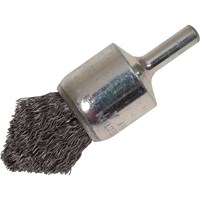
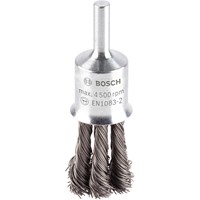
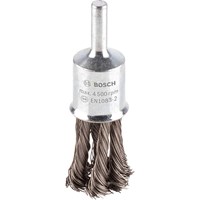
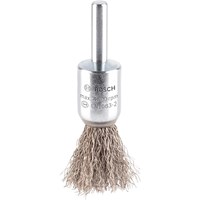
Wire Type: Crimped wire brushes feature flexible, interwoven wires suitable for lighter cleaning and reaching into recesses. Twisted knot brushes use thicker gauge wires bundled tightly for aggressive material removal but will leave visible scratches on softer metals.
Wire Material: Standard steel wire suits general metalwork on ferrous materials. Stainless steel (inox) brushes must be used on stainless steel to prevent rust contamination. Brass wire brushes are softer and ideal for sensitive surfaces, aluminium, and decarbonising without damaging base metals.
Mounting System: Ensure compatibility with your power tool – threaded arbor brushes (M14 most common) fit angle grinders, whilst shank-mounted versions suit electric drills. Always verify the maximum RPM rating matches your tool's speed.
Wire Thickness: Finer wires (0.2mm-0.3mm) provide lighter cleaning action, whilst thicker gauges (0.35mm+) offer more aggressive cutting performance for heavy rust and scale removal.
Safety Information
Wire cup brushes require careful handling and appropriate safety precautions. Every brush is rated for a maximum operating speed (RPM) which must never be exceeded, as wires can detach and become dangerous projectiles at high speeds. Always wear safety glasses or a face shield, as eye protection is essential. Heavy-duty work gloves and full-length clothing protect against wire fragments that can puncture exposed skin. Ensure the workpiece is securely clamped, maintain firm control of the power tool, and allow the brush to reach full speed before making contact. Never use damaged brushes with bent or missing wires, and replace worn brushes promptly.
Frequently Asked Questions
Can I use a standard steel wire cup brush on stainless steel?
No, using standard carbon steel wire brushes on stainless steel will cause rust contamination and leave brown spots on the surface. Always use dedicated stainless steel (inox) wire brushes when working with stainless steel materials to maintain corrosion resistance.
What's the difference between crimped and knotted wire cup brushes?
Crimped wire brushes have flexible, interwoven fine wires making them less aggressive and suitable for lighter cleaning, finishing work, and accessing recesses. Knotted wire brushes feature thicker gauge wires twisted tightly together, providing aggressive cutting action for heavy rust, scale, and paint removal, though they'll scratch softer metals.
Which mounting type do I need for my angle grinder?
Most angle grinders in the UK use M14 threaded spindles, so you'll need a wire cup brush with an M14 threaded arbor. Always check your grinder's specifications and ensure the brush's maximum RPM rating exceeds your grinder's no-load speed. Shank-mounted brushes are designed for use with electric drills, not angle grinders.