

Tree Loppers & Pruners
Pay in 3 interest-free payments on purchases from £30-2000 with  . Learn more.
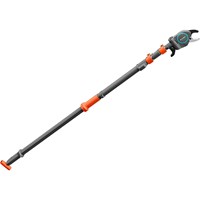
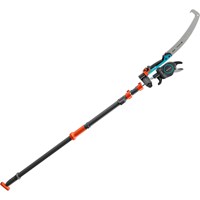
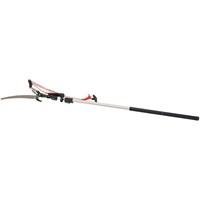
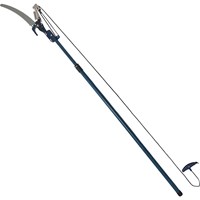
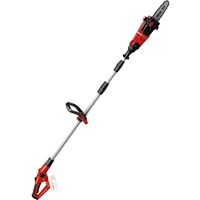
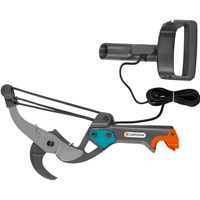
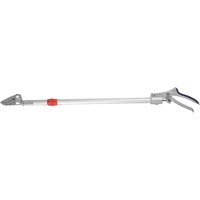
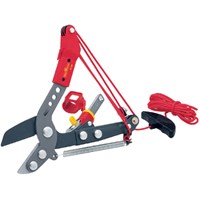
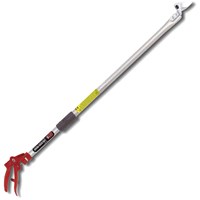
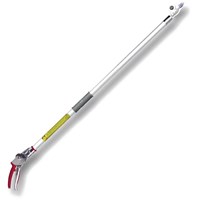
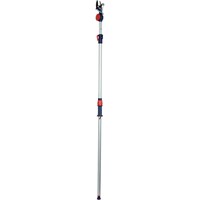
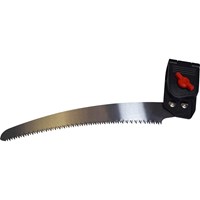
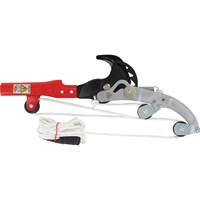
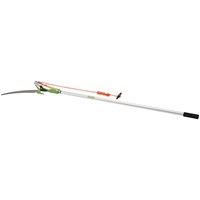
 Loading...
End of content
Error - No more pages to load
About Tree Loppers & Pruners
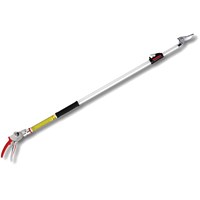
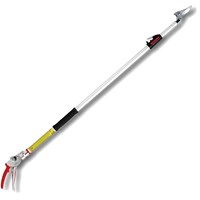
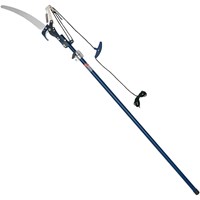
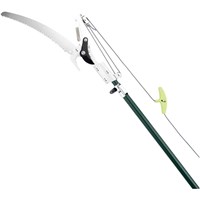
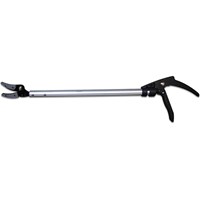
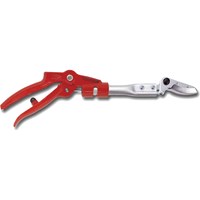
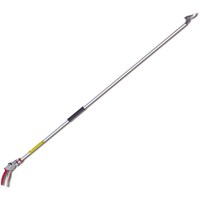
Tree loppers and pruners are essential cutting tools designed for maintaining trees, shrubs, and hedges in gardens, estates, and commercial landscapes. These tools enable you to reach high branches safely from ground level, eliminating the need for ladders whilst delivering clean, precise cuts that promote healthy plant growth. MyToolShed.co.uk stocks professional-grade tree loppers and pruners alongside compatible accessories, including specialist saw attachments that extend the versatility of your pruning equipment.
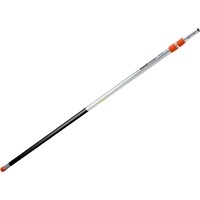
Available in both manual and pole-mounted configurations, tree loppers feature long handles for extended reach, whilst pruners offer more compact designs for detailed work. Telescopic models provide adjustable length for tackling branches at various heights, and interchangeable attachments like pruning saws allow you to switch between cutting methods without changing tools. Whether you're a professional groundskeeper or a dedicated gardener, investing in quality tree loppers ensures efficient maintenance and longevity.
Applications
- Groundskeepers and estate managers maintaining parkland, golf courses, and public gardens
- Professional gardeners and landscapers performing routine pruning and tree surgery
- Arborists conducting crown reduction and deadwood removal
- Local authorities managing street trees and green spaces
- Agricultural workers maintaining orchards and farm hedgerows
- Property maintenance contractors providing garden care services
- DIY enthusiasts tackling seasonal garden pruning and tree maintenance
- Forestry workers clearing undergrowth and managing woodland
Choosing The Right Tree Loppers & Pruners
When selecting tree loppers and pruners at MyToolShed.co.uk, consider the maximum branch diameter you'll typically cut – most loppers handle branches between 30mm and 50mm effectively. Reach is crucial; telescopic poles extending from 2 to 5 metres suit most domestic and light commercial applications, whilst fixed-length models offer greater rigidity for heavy-duty work.
Cutting mechanism matters significantly: bypass blades deliver cleaner cuts on live wood, whilst anvil designs excel at cutting dead or dried branches. Handle material affects both weight and durability – fibreglass and aluminium poles provide excellent strength-to-weight ratios compared to traditional wooden handles. If you're considering attachments, verify compatibility with your existing equipment; saw attachments like those from Spear and Jackson expand functionality without requiring additional pole systems.
Blade quality directly impacts cutting performance and maintenance intervals. Look for hardened steel or carbon steel blades with rust-resistant coatings. Replaceable blades and serviceable mechanisms extend tool lifespan considerably, making them more economical for professional users.
Safety Information
Always inspect tree loppers before use, checking for loose connections, damaged blades, and secure locking mechanisms on telescopic poles. Wear safety glasses to protect against falling debris, and use gloves for improved grip and hand protection. When working overhead, maintain awareness of your surroundings and never overreach – reposition yourself rather than stretching beyond your balanced stance.
Keep bystanders at a safe distance when cutting, and be mindful of where branches will fall. Avoid using tree loppers near power lines, and never use metal poles during wet conditions or near electrical hazards. Store tools with blade guards fitted to prevent accidental injury and maintain cutting edges properly between uses.
Frequently Asked Questions
What's the difference between loppers and pruners?
Loppers typically feature longer handles (usually 450mm to 900mm) and are designed for cutting thicker branches up to 50mm diameter, whilst pruners (secateurs) have shorter handles for one-handed operation on smaller stems and shoots up to 25mm thick. Pole pruners combine pruning heads with extended poles for overhead work.
How do I maintain my tree lopper blades?
Clean blades after each use to remove sap and debris, then apply a light coating of oil to prevent rust. Sharpen blades regularly using a whetstone or file, maintaining the original bevel angle. Check and tighten pivot bolts periodically to ensure smooth cutting action.
Can I use loppers for cutting thick branches?
Only cut branches within your lopper's specified capacity – typically 30-50mm depending on the model. Forcing cuts beyond this capacity damages the tool and creates ragged cuts that harm plant health. For thicker branches, use a pruning saw attachment or dedicated tree saw instead.