

Stone Cutters
Pay in 3 interest-free payments on purchases from £30-2000 with  . Learn more.
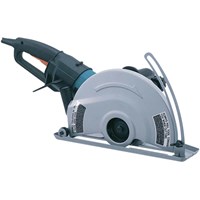
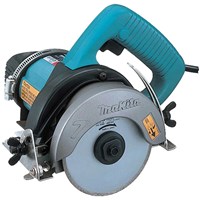
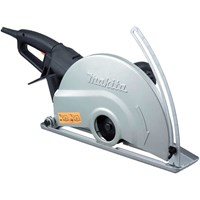
 Loading...
End of content
Error - No more pages to load
About Stone Cutters
Stone cutters are specialised power tools engineered to cut through concrete, stone, brick, masonry, and other hard materials with precision and efficiency. Available in various disc sizes from compact 125mm handheld models to substantial 355mm floor-standing units, these robust machines use diamond-tipped cutting discs rotating at high speeds to slice through tough materials that would quickly blunt standard cutting tools. MyToolShed.co.uk stocks professional-grade stone cutters from Makita, designed to withstand demanding site conditions whilst delivering consistent performance.
Modern stone cutters incorporate water-cooling systems to reduce dust, extend blade life, and prevent overheating during prolonged cutting operations. Whether you're cutting paving slabs, creating chases in concrete walls, or trimming brickwork on site, a quality stone cutter delivers clean, accurate cuts whilst minimising dust and vibration. The range at MyToolShed includes both portable handheld cutters for versatility on site and larger bench-mounted saws for workshop use where precision and repeatability are paramount.
Applications
Stone cutters are essential tools across numerous trades and applications:
- Bricklayers and Stonemasons – cutting bricks, blocks, and natural stone to size for walls and structures
- Groundworkers and Landscapers – trimming paving slabs, kerb stones, and concrete edging
- Concrete Specialists – creating expansion joints, removing damaged sections, and cutting concrete slabs
- General Builders – chasing walls for pipework and cables, cutting lintels, and general masonry work
- Electricians and Plumbers – cutting chases in masonry walls for cable runs and pipe installations
- Demolition Contractors – controlled cutting and removal of concrete and masonry structures
- DIY Enthusiasts – tackling ambitious home improvement projects involving hard landscaping or structural alterations
Choosing The Right Stone Cutters
Disc Diameter: The blade size determines cutting capacity. A 125mm cutter suits lighter work and offers maximum portability, ideal for chasing walls or cutting smaller materials. Mid-range 305mm models balance power with manoeuvrability for general construction work, whilst 355mm stone saws provide maximum cutting depth for thick concrete and heavy-duty applications.
Motor Power: More powerful motors maintain blade speed under load and cut through dense materials more effectively. Consider the hardness and thickness of materials you'll typically encounter – harder stone and deeper cuts require more robust motors to deliver professional results efficiently.
Wet or Dry Cutting: Wet-cutting systems are essential for prolonged use and where dust control is critical, particularly when cutting materials containing silica. HSE regulations require effective dust control measures when cutting masonry materials. Wet cutting significantly improves operator safety and blade longevity compared to dry cutting methods.
Portability Requirements: Handheld models offer flexibility for working at height or in confined spaces, whilst bench-mounted or wheeled floor saws provide stability and precision for repetitive cuts or workshop applications. Consider your typical working environment and whether you'll need to transport the tool between sites.
Power Supply: Most stone cutters at MyToolShed.co.uk are available in both 240v (standard domestic supply) and 110v (site transformer) versions. On construction sites, 110v tools are often preferred for safety reasons.
Safety Information
Stone cutters are powerful tools that demand proper safety precautions. Always wear appropriate personal protective equipment including safety glasses or a face shield, hearing protection, dust masks (minimum FFP3 rated when dry cutting), and sturdy work gloves. Steel toe-capped boots are essential when working with heavy materials.
Cutting masonry materials generates harmful silica dust. The Control of Substances Hazardous to Health (COSHH) regulations require adequate dust control measures. Where possible, use wet cutting methods to suppress dust at source. Ensure the workpiece is securely clamped and always disconnect from the mains supply before changing blades or performing maintenance.
Frequently Asked Questions
What's the difference between a stone cutter and an angle grinder?
Whilst both tools can cut masonry, stone cutters are specifically designed for cutting operations with better guards, water-cooling capabilities, and more stable bases for accurate straight cuts. Stone cutters also typically offer greater cutting depth and are better suited for prolonged masonry cutting work.
Can I use a stone cutter for cutting paving slabs?
Yes, stone cutters are ideal for cutting paving slabs, block paving, and concrete pavers. A 125mm or 305mm model with a suitable diamond blade will cut through most standard paving materials efficiently. Use wet cutting where possible to achieve cleaner edges and reduce dust.
How long do diamond blades last?
Blade life depends on the material being cut, cutting technique, and whether wet or dry cutting is used. A quality diamond blade might cut 20-40 square metres of concrete or 10-15 square metres of hard stone. Wet cutting significantly extends blade life by preventing overheating.