
Soldering

Pay in 3 interest-free payments on purchases from £20-£3000 with  . Learn more.
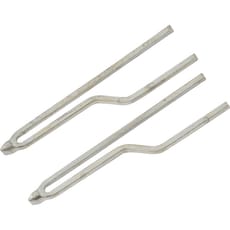
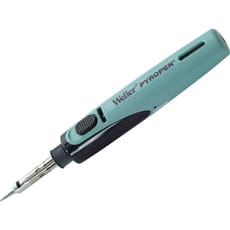
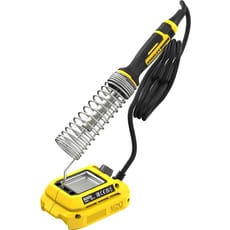
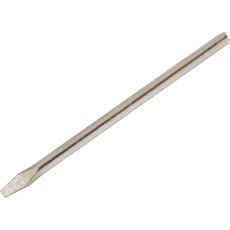
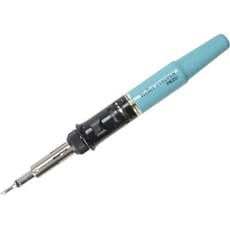
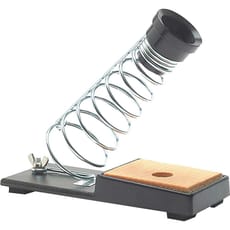
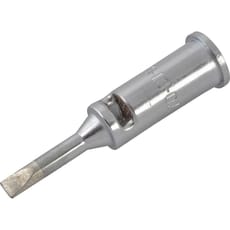
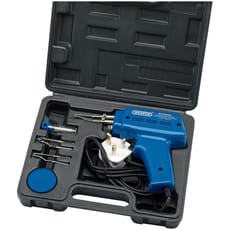
Loading...
End of content
Error - No more pages to load
About Soldering
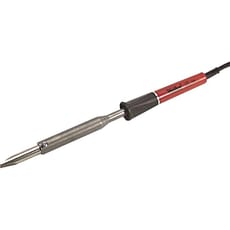
Soldering is a fundamental technique for joining metal components using heat and filler metal (solder), which melts at a lower temperature than the materials being joined. Essential for electronics assembly, circuit board repair, and electrical connections, soldering creates permanent, electrically conductive bonds. MyToolShed.co.uk stocks a comprehensive range of soldering equipment including soldering irons, soldering guns, precision tips, quality solder wire, and essential accessories to suit both professional tradespeople and electronics enthusiasts.
Whether you're working on delicate PCB assembly, automotive electrical repairs, or general metalwork, having the right soldering tools makes all the difference. Our soldering category encompasses everything from basic 240v soldering irons for occasional use through to temperature-controlled soldering stations for precision work, alongside all the consumables and accessories needed to achieve reliable, professional results.
Applications
- Electronics Engineers: PCB assembly, component replacement, prototype development and circuit board repair
- Electricians: Cable terminations, electrical connections and junction box work
- Automotive Technicians: Wiring harness repairs, sensor connections and dashboard electronics
- Maintenance Engineers: Industrial equipment repair, control panel work and sensor replacement
- Jewellers: Precious metal joining and repair work requiring precision heat control
- Model Makers: Detailed assembly work on scale models and miniatures
- DIY Enthusiasts: Home electronics repair, hobby projects and general household electrical work
- Plumbers: Copper pipe joining and fitting installation (though typically using larger heat sources)
Choosing The Right Soldering Equipment
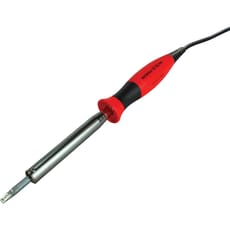
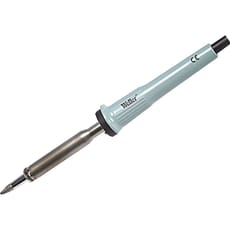
Power Source: 240v mains-powered irons offer consistent heat for workshop use, whilst cordless butane or battery models provide portability for on-site work. Temperature-controlled stations deliver precision for sensitive electronics.
Wattage: 15-30W irons suit delicate electronics work, 40-60W models handle general electrical connections, whilst 80W+ soldering guns tackle heavier gauge wire and larger components requiring rapid heat transfer.
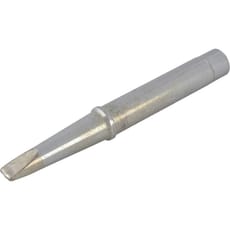
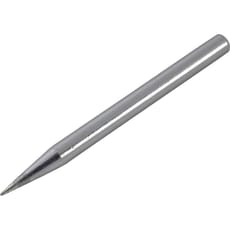
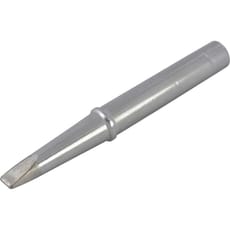
Tip Selection: Chisel tips provide good heat transfer for general work, conical tips suit precision electronics, and specialised tips handle specific applications. Replaceable tips extend tool lifespan significantly.
Temperature Control: Basic irons run at fixed temperatures, whilst adjustable stations allow precise temperature matching to different solder types and components, preventing heat damage to sensitive parts.
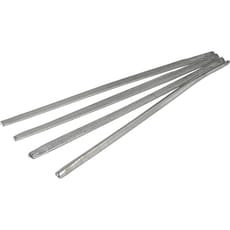
Solder Type: Lead-free solder meets current regulations for commercial work, traditional lead-tin solder flows more easily for hobbyists, and flux-core variants simplify the soldering process for beginners.
Safety Information
Soldering irons reach temperatures of 300-400°C and require careful handling. Always use a proper stand when not actively soldering to prevent burns and fire hazards. Work in well-ventilated areas as solder flux produces fumes that shouldn't be inhaled directly. Wear safety glasses to protect against splashes of molten solder, and keep a damp sponge nearby for cleaning tips. Never leave soldering equipment unattended whilst powered on, and allow adequate cooling time before storage. MyToolShed.co.uk recommends using heat-resistant mats to protect work surfaces.
Frequently Asked Questions
What's the difference between a soldering iron and a soldering gun?
Soldering irons are designed for continuous use and precision work, maintaining steady temperatures ideal for electronics. Soldering guns heat up rapidly (3-5 seconds), deliver higher temperatures, and cool quickly, making them better suited for intermittent use on larger components and heavier gauge wiring, though less precise for delicate PCB work.
Do I need a temperature-controlled soldering station?
For occasional DIY work, a basic fixed-temperature iron suffices. However, professionals and regular users benefit significantly from temperature control, which prevents component damage, suits different solder types, extends tip life, and delivers more consistent results across varied applications.
What type of solder wire should I use?
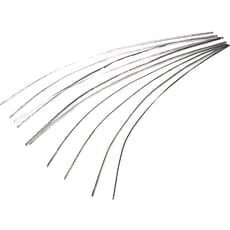
For electronics work, use flux-core solder (typically 0.5-1mm diameter) - lead-free for commercial/professional compliance or traditional 60/40 lead-tin for easier hobby use. For electrical and mechanical applications, thicker diameter solder (1.5-2mm) provides faster joint completion. Always match your solder type to the materials being joined.