
Scythes & Hooks

Pay in 3 interest-free payments on purchases from £20-£3000 with  . Learn more.
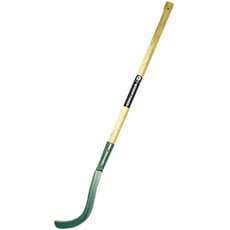
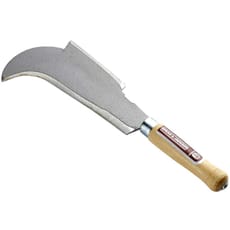
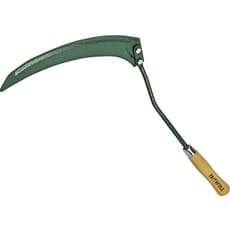
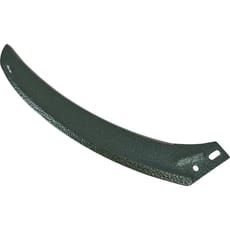
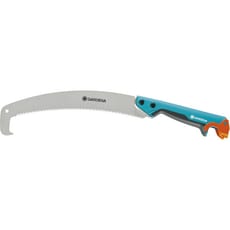
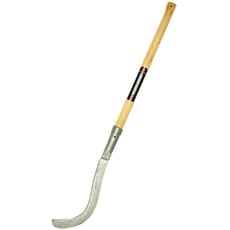
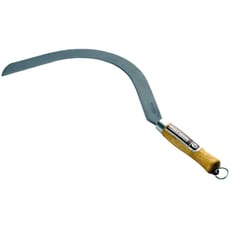
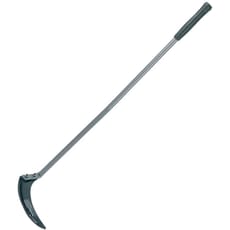
 Loading...
End of content
Error - No more pages to load
About Scythes & Hooks
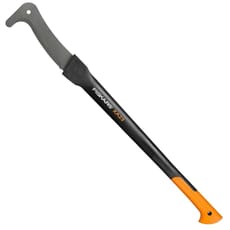
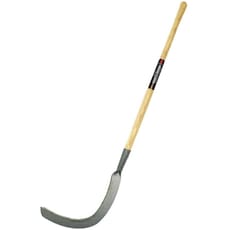
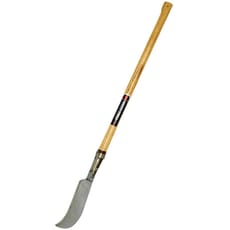
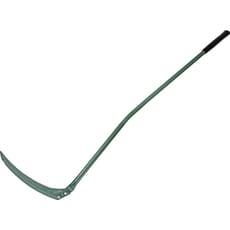
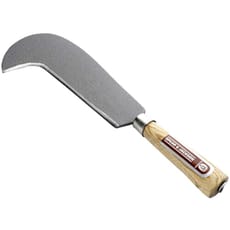
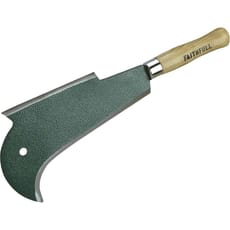
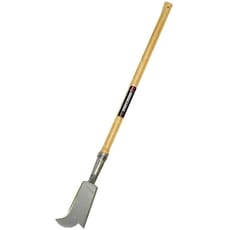
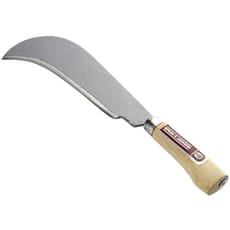
Scythes and hooks are traditional yet indispensable hand tools for managing vegetation, clearing undergrowth, and maintaining large outdoor spaces. MyToolShed.co.uk stocks a comprehensive range of cutting tools including bill hooks, grass hooks, slashers, and scythettes from trusted British manufacturers like Spear and Jackson and Faithfull. These robust implements are designed for tackling tough vegetation management tasks that power tools simply cannot reach or are impractical for.
From the compact scythette for garden maintenance to heavy-duty slashers for commercial land clearing, the selection at MyToolShed features both single and double-edged designs. Bill hooks offer versatility for hedging and coppicing work, whilst grass hooks provide precision cutting in confined spaces. Each tool is manufactured to withstand the demands of professional use whilst remaining accessible for dedicated DIY enthusiasts managing larger properties or allotments.
Applications
- Groundskeepers and Estate Managers: Maintaining parklands, estates, and public spaces
- Agricultural Workers: Clearing field margins, ditch management, and crop residue removal
- Forestry Professionals: Undergrowth clearance, coppicing, and woodland path maintenance
- Landscape Gardeners: Overgrown garden reclamation and bramble clearance
- Hedge Layers and Fencers: Traditional hedging work and vegetation control along boundaries
- Conservation Volunteers: Habitat management and invasive species control
- Allotment Holders: Clearing plots and maintaining compost areas
Choosing The Right Scythes & Hooks
Blade Type: Bill hooks feature a curved blade ideal for cutting woody stems and hedging work, whilst grass hooks have a sharper, finer edge for softer vegetation. Slashers come in single or double-edged configurations, with double-edged versions offering bi-directional cutting for faster clearance.
Handle Length: Consider your working position and the vegetation height. Shorter handles provide greater control for detailed work, whilst longer handles reduce back strain during extended use and offer improved reach.
Blade Weight: Heavier blades deliver more momentum for cutting through thick stems and brambles, but require greater physical effort. Lighter tools offer better manoeuvrability for precision work and reduce fatigue during prolonged sessions.
Regional Patterns: MyToolShed.co.uk stocks regional variations like the Southern Counties Bill Hook and Irish Slasher, each designed for specific vegetation types and traditional working methods prevalent in those areas.
Safety Information
Always wear heavy-duty gloves, eye protection, and sturdy boots with ankle support when using scythes and hooks. Maintain a clear working radius free from bystanders, as these tools require sweeping motions. Keep blades sharp—dull edges require excessive force and increase accident risk. Store tools with blade guards fitted and in secure locations away from children. Inspect handles regularly for splits or looseness, and ensure blade tangs are firmly secured before use.
Frequently Asked Questions
How do I sharpen a bill hook or slasher?
Use a fine mill file or sharpening stone, working along the bevelled edge at the original angle. Sharpen in one direction only with smooth strokes, then remove any burr from the reverse side. Regular light sharpening maintains edge quality better than infrequent heavy grinding.
What's the difference between a scythe and a scythette?
A scythette is a compact, single-handed version of the traditional two-handed scythe, ideal for smaller gardens and confined spaces. Whilst full scythes require specific technique and space, scythettes offer similar cutting action with greater portability and easier storage.
Can these tools cut through woody brambles?
Heavy-duty slashers and bill hooks are specifically designed for woody vegetation up to approximately 25-30mm diameter. For best results, use a chopping motion rather than slicing, allowing the blade weight to do the work.