
Safety & Detectors

Pay in 3 interest-free payments on purchases from £20-£3000 with  . Learn more.




 Loading...
End of content
Error - No more pages to load
About Safety & Detectors
The Safety & Detectors category at MyToolShed.co.uk provides comprehensive protection equipment and monitoring devices for tradespeople and DIY enthusiasts working across all environments. From essential personal protective equipment (PPE) including hard hats, dust masks and safety eyewear, through to sophisticated gas detectors and fire safety equipment, this range covers everything needed to comply with UK Health and Safety Executive (HSE) regulations whilst protecting against workplace hazards. Whether you're managing a construction site, running electrical installations, or undertaking home improvements, the right safety equipment isn't optional—it's fundamental to preventing serious injury and meeting legal obligations.
MyToolShed stocks trusted safety brands that meet or exceed British and European EN standards across categories including respiratory protection, hearing defenders, fall arrest systems, lockout equipment, safety signage, spillage control and first aid supplies. Different trades face different risks, which is why this category spans everything from basic dust masks for occasional woodworking through to Category III PPE for high-risk activities like working at height or in confined spaces.
Applications
- Construction & Building Sites - hard hats, high-visibility clothing, dust masks and fall arrest equipment for site workers and managers
- Electrical Work - lockout equipment, voltage detectors, insulated gloves and arc flash protection for electricians and sparkies
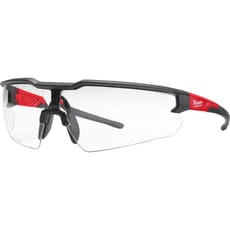
- Carpentry & Joinery - safety glasses, hearing protection and respiratory masks when operating power tools and machinery
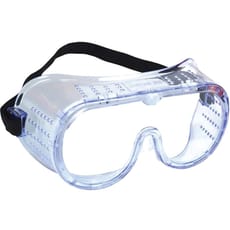
- Plumbing & Gas Engineering - gas detectors, safety goggles and spillage control for emergency situations
- Decorating & Painting - respiratory protection against fumes, eye protection and protective clothing
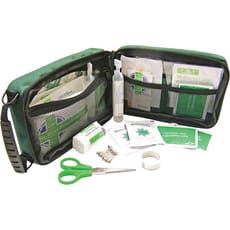
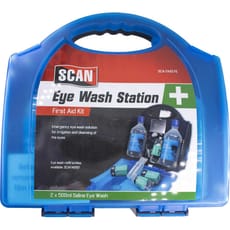
- Facilities Management - fire extinguishers, carbon monoxide detectors, safety signs and first aid stations throughout commercial buildings
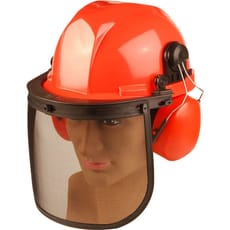
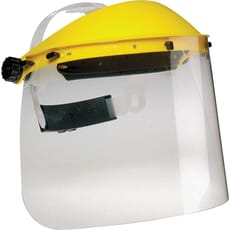
- Metalworking & Fabrication - full face shields, welding masks and heavy-duty hearing defenders in workshop environments
- Landscaping & Groundwork - ear defenders, safety boots and high-vis gear when working near roads
- DIY & Home Improvements - basic PPE including dust masks, safety glasses and smoke detectors for domestic projects
Choosing The Right Safety & Detectors
Identify Specific Hazards: Conduct a proper risk assessment before selecting equipment. Cutting metal creates different risks than mixing concrete or working with chemicals—understanding your specific hazards ensures appropriate protection rather than generic equipment that may prove inadequate.
Verify Standards and Certification: Always confirm safety equipment carries CE marking and meets relevant EN or BS standards. In the UK, PPE is classified into three categories based on risk level, with Category III covering serious hazards like respiratory protection and fall arrest systems. Never compromise on proper certification.
Prioritise Fit and Comfort: Safety equipment only works when worn correctly throughout the working day. Poorly fitting hard hats or uncomfortable ear defenders are more likely to be removed or worn incorrectly. Look for adjustable features, breathable materials and ergonomic designs that encourage consistent use.
Match Protection Level to Risk: A basic FFP1 dust mask suffices for occasional sanding, whilst regular silica dust exposure requires properly fitted respirators with P3 filters. Similarly, working at low heights might need simple restraint lanyards, whilst roofing demands full body harnesses with energy-absorbing lanyards.
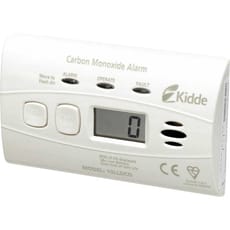
Consider Detection Requirements: For safety detectors available at MyToolShed.co.uk, identify what you need to monitor. Carbon monoxide detectors are essential near fuel-burning appliances, whilst multi-gas detectors are necessary for confined space work. Look for clear audible and visual alarms, easy calibration and appropriate battery life.
Safety Information
Legal Obligations: UK employers must provide appropriate PPE free of charge under the Health and Safety at Work Act 1974 and PPE at Work Regulations 1992. Self-employed tradespeople remain responsible for their own equipment. Non-compliance can result in prosecution, substantial fines and invalidated insurance claims.
Training and Maintenance: Simply purchasing safety equipment isn't sufficient—users require proper training in correct use, limitations and maintenance procedures. Safety harnesses worn incorrectly provide no protection, whilst improperly fitted respirators allow contaminants to bypass filters. Regular inspection is essential, with fall arrest equipment requiring thorough examination by competent persons at least annually.
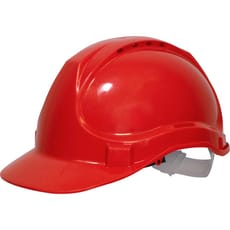
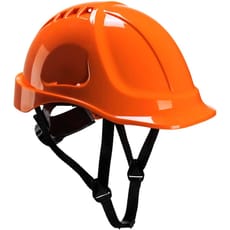
Replacement Schedules: Most hard hats should be replaced every five years from manufacture date regardless of visible wear, and immediately following any impact. Damaged or expired safety equipment creates false security and must never be used.
Frequently Asked Questions
What type of dust mask do I need for different materials?
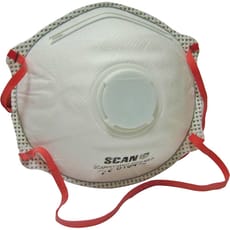
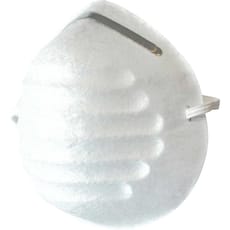
This depends on the material being worked. Basic FFP1 masks suit nuisance dust from sanding wood. FFP2 masks are required for moderate levels of fine dust. For hazardous materials like silica dust from concrete or stone, FFP3-rated respirators are the minimum requirement. For regular exposure, consider reusable half-mask respirators with replaceable P3 filters offering better protection, comfort and long-term economy.
How do I know if safety equipment meets UK standards?
Look for CE marking indicating compliance with European safety standards (still recognised in the UK) alongside the relevant EN standard number—for example, EN 397 for industrial safety helmets or EN 166 for eye protection. Category III PPE must be type-examined by an approved body whose identification number appears with the CE mark. Reputable suppliers clearly display certification information.
What's the difference between detection and protection equipment?
Detection equipment identifies invisible hazards—carbon monoxide detectors, gas monitors and voltage testers warn of dangers you cannot see or smell. Protection equipment shields you from hazards—masks, goggles, gloves and harnesses create barriers between you and harm. Both are essential: detectors alert you to risks enabling action, whilst PPE protects when exposure cannot be eliminated. Many situations require both approaches simultaneously.