

Mitre Saws
Pay in 3 interest-free payments on purchases from £30-2000 with  . Learn more.
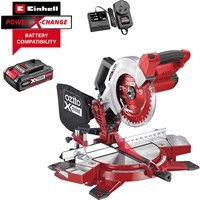
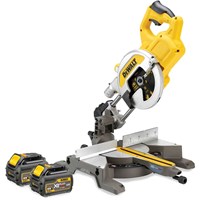
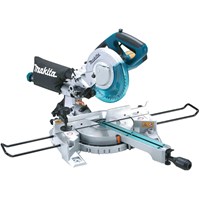
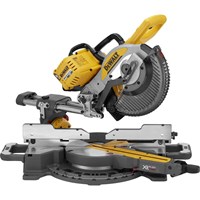
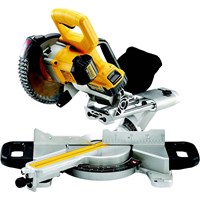
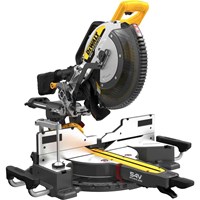
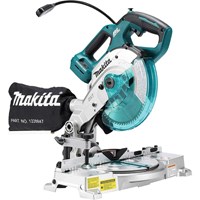
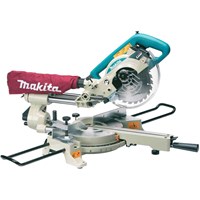
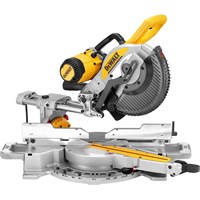
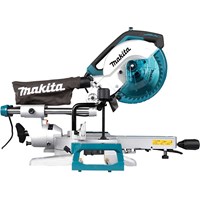
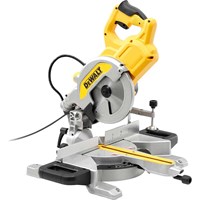
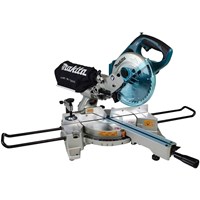
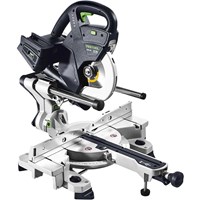
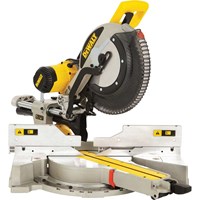
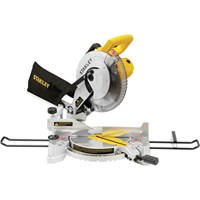
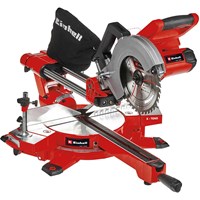
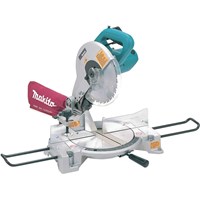
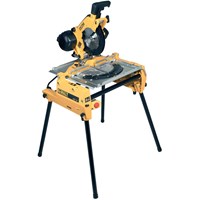
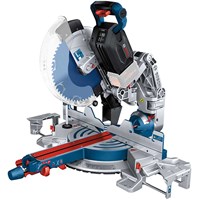
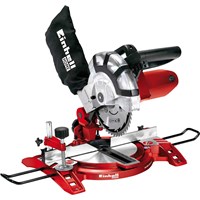
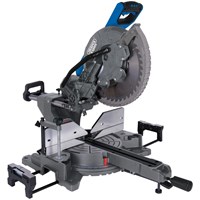
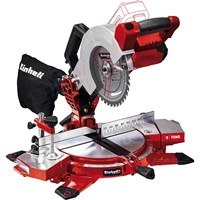
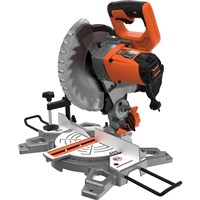
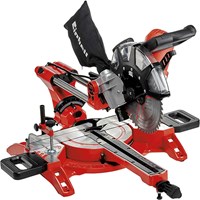
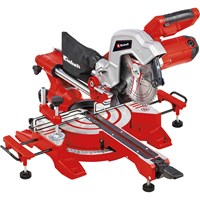
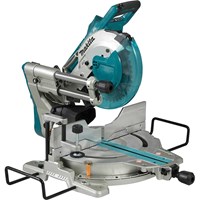
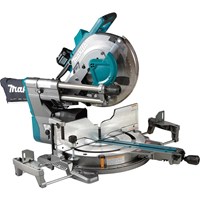
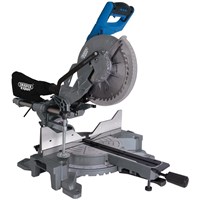
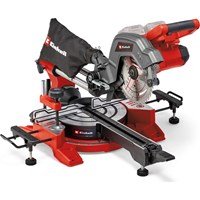
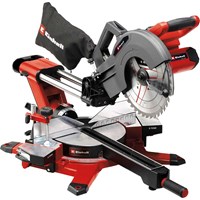
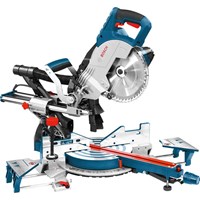
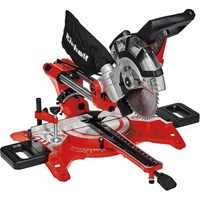
Einhell TE-SM 36/10 L Li 36v Cordless Sliding Compound Mitre Saw 254mm
in stock


 Loading...
End of content
Error - No more pages to load
About Mitre Saws
Mitre saws are essential power tools designed for making precise crosscuts and angled cuts in wood, aluminium, plastic, and other materials. Available in 240v mains-powered and cordless variants, these dedicated cutting machines feature a circular saw blade mounted on a pivoting arm that descends onto the workpiece. MyToolShed.co.uk stocks a comprehensive range of mitre saws from leading manufacturers including Makita, DeWalt, Bosch Professional, Festool, and Einhell, with blade sizes ranging from 184mm to 305mm.
The three main types available are standard mitre saws for straightforward crosscutting, compound mitre saws with tilting heads for bevel cuts, and sliding compound mitre saws (SCMS) that offer extended cutting capacity for wider materials. Cordless models provide excellent portability for site work, whilst 240v machines deliver consistent power for workshop applications.
Applications
Mitre saws are indispensable tools for numerous trades and projects:
- Carpenters and joiners – cutting skirting boards, architraves, door frames, and timber construction
- Kitchen and bedroom fitters – precise cuts for cornice, plinths, and decorative mouldings
- Decking installers – cutting decking boards and balustrading to length
- Flooring specialists – trimming laminate and hardwood flooring
- Shop fitters – cutting display materials and framework
- General builders – crosscutting studwork, joists, and construction timber
- DIY enthusiasts – home improvement projects, furniture making, and garden construction
Choosing The Right Mitre Saws
When selecting a mitre saw from MyToolShed.co.uk, consider these key factors:
Blade diameter: Larger blades (250-305mm) cut thicker and wider materials, whilst smaller blades (184-216mm) offer better portability. Consider your typical workpiece dimensions.
Sliding vs non-sliding: Sliding models provide significantly greater crosscut capacity, essential for wider boards and sheet materials. Non-sliding saws are lighter, more compact, and typically more affordable for basic crosscutting needs.
Compound capability: If you need to cut bevels for coving, crown moulding, or complex joinery, choose a compound or double-bevel model to avoid flipping workpieces.
Power source: Cordless mitre saws offer ultimate flexibility for site work without trailing cables. Battery platforms from DeWalt FlexVolt (54v) and Bosch (18v) deliver excellent runtime, whilst 240v models suit permanent workshop installations.
Brand ecosystem: If you already use cordless tools, selecting a mitre saw compatible with your existing batteries maximises value and convenience.
Safety Information
Mitre saws feature exposed rotating blades capable of causing serious injury. Always read the manufacturer's manual before operation. Wear appropriate PPE including safety glasses and hearing protection. Never place hands near the cutting area during operation, ensure workpieces are properly secured, and allow the blade to stop completely before raising the arm. Disconnect from the power source when changing blades or performing maintenance.
Frequently Asked Questions
What's the difference between a mitre saw and a chop saw?
Mitre saws pivot horizontally to cut angles, whilst chop saws typically only cut straight 90-degree cuts. Mitre saws are designed for wood and lighter materials with fine-toothed blades, whereas chop saws use abrasive discs for cutting metal and are built for heavier-duty applications.
Can I cut metal with a mitre saw?
Yes, but only with the appropriate blade. Most mitre saws at MyToolShed.co.uk are designed primarily for wood but can cut non-ferrous metals like aluminium when fitted with a suitable TCT blade designed for metal cutting. Always check your model's specifications and use the correct blade type.
Do I need a sliding mitre saw?
If you regularly cut materials wider than 150-200mm (such as decking boards, wide skirting, or sheet goods), a sliding model is essential. For cutting narrower timber, door casings, and standard mouldings, a non-sliding saw offers better value and portability.