
Knives

Pay in 3 interest-free payments on purchases from £20-£3000 with  . Learn more.
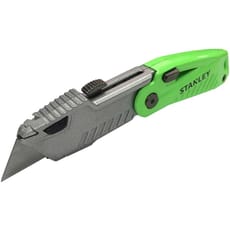
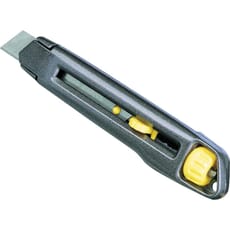
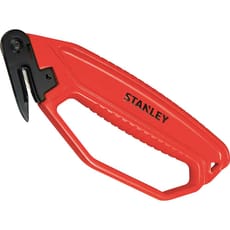
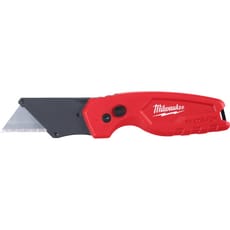
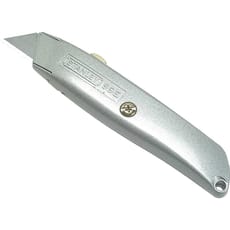
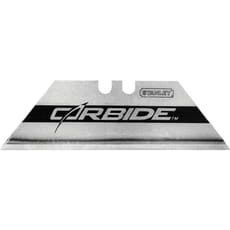
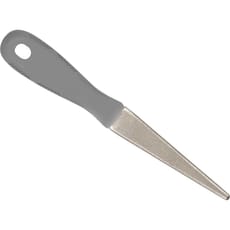
Loading...
End of content
Error - No more pages to load
About Knives
A reliable knife is an essential tool for tradespeople, professional contractors, and DIY enthusiasts across the UK. From electricians stripping cables on site to carpet fitters trimming edges, having the right cutting tool ensures precision, efficiency, and safety. MyToolShed.co.uk offers a comprehensive knives category encompassing heavy-duty utility knives, specialist trade knives, precision cutting tools, and multi-functional Swiss Army knives from trusted brands like Stanley, Bahco, and Knipex.
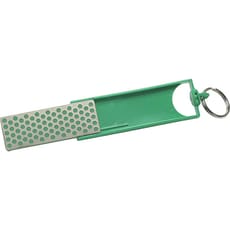
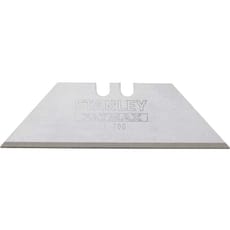
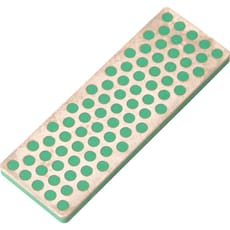
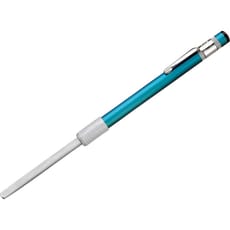
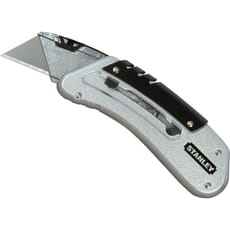
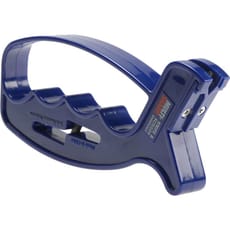
Modern professional knives feature ergonomic handles for reduced hand fatigue, quick-change blade systems for enhanced productivity, and robust construction to withstand demanding work environments. Whether you need retractable blade utility knives for general tasks, fixed-blade hacking knives for heavy-duty work, or precision knives for detailed cutting, MyToolShed.co.uk stocks the complete range alongside essential accessories including replacement blades, knife sharpeners, and safe storage solutions.
Applications
Professional knives are essential tools across numerous trades and industries throughout the UK:
- Electricians: Cable stripping, insulation removal, and precise wire preparation
- Carpet Fitters: Cutting underlay, trimming carpet edges, and scoring vinyl flooring
- Plumbers: Cutting pipe insulation, trimming rubber seals, and general site work
- Carpenters and Joiners: Marking timber, removing excess material, and woodworking tasks
- Decorators: Opening paint tins, cutting wallpaper, and trimming sealant
- Roofers: Cutting roofing felt, trimming flashings, and working with membranes
- General Builders: Opening packaging, cutting materials, and countless daily tasks
- Warehouse Workers: Breaking down cardboard, opening deliveries, and stock management
- Landscapers: Cutting landscape fabric, trimming membranes, and groundwork
- DIY Enthusiasts: Home improvement projects, craft work, and household repairs
Choosing The Right Knives
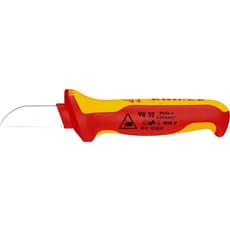
Consider Your Primary Application: Different trades require different knife types. Electricians benefit from specialist cable knives with insulated handles, whilst carpet fitters need heavy-duty fixed-blade knives. General tradespeople often prefer versatile utility knives with retractable blades for everyday tasks.
Blade Type and Material: Carbon steel blades offer excellent edge retention for rough work, whilst stainless steel resists corrosion in damp environments. Snap-off blades provide constantly fresh cutting edges, whereas fixed blades offer maximum strength for heavy-duty applications.
Safety Features: Look for auto-retractable mechanisms if working on busy sites, or secure blade locks for fixed use. Ergonomic handles with textured grips prevent slippage, whilst blade guards and sheaths protect against accidental cuts during storage.
Build Quality: Professional-grade knives feature robust construction with metal chassis and reinforced components that withstand daily site use. Tool-free quick-change systems save time and encourage regular blade replacement, ensuring you're always working with a sharp edge.
Safety Information
Knives are among the most common causes of workplace injuries in the UK. Always cut away from your body and keep your free hand behind the blade's cutting path. Ensure blades are sharp – blunt blades require excessive force and are more likely to slip. Use retractable blade mechanisms when not actively cutting, and never leave knives with exposed blades unattended.
Store knives safely in toolboxes or pouches rather than loose in pockets. Replace damaged or worn blades immediately, and dispose of used blades in designated sharps containers. Employers must ensure knife users receive appropriate training under Health and Safety Executive (HSE) guidelines, including proper cutting techniques and blade changing procedures.
Frequently Asked Questions
How often should I replace utility knife blades?
Replace blades as soon as you notice reduced cutting performance or need to apply excessive pressure. Professional tradespeople doing regular cutting work might change blades daily, whilst occasional users may get weeks of use from a single blade. Always prioritise sharp blades for safety and efficiency.
What's the difference between utility knife blade types?
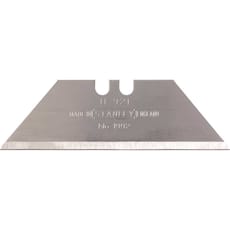
Standard straight blades suit general cutting, hooked blades excel at cutting roofing felt without damaging underlying surfaces, serrated blades handle fibrous materials effectively, and rounded-tip blades reduce puncture risk when cutting in confined spaces. Choose blade shapes based on your most common cutting tasks.
Can I take knives in my tool bag on public transport?
UK law permits carrying knives for work purposes, but they must be folding knives with blades under 3 inches or securely stored in your work bag if larger or fixed-blade. You must have a legitimate reason (travelling to/from work) and be able to demonstrate this if questioned.