
Detectors & Testing Tools
Pay in 3 interest-free payments on purchases from £30-2000 with  . Learn more.
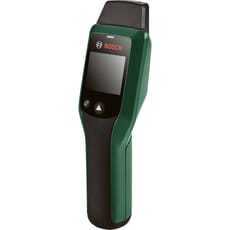
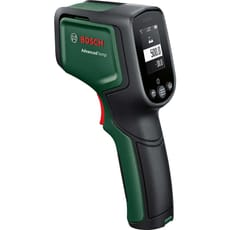
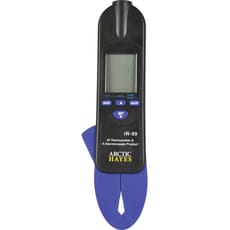
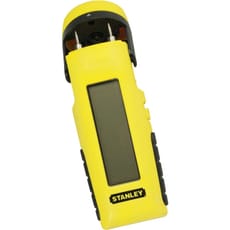
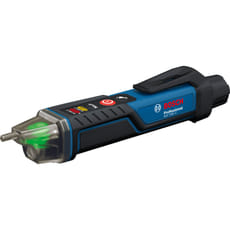
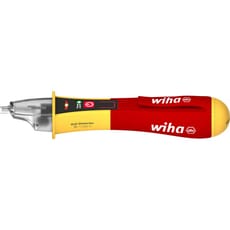
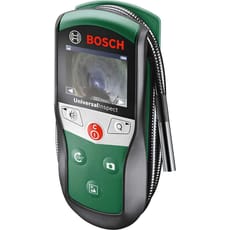
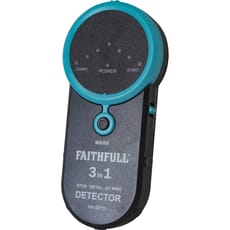
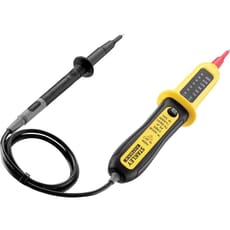
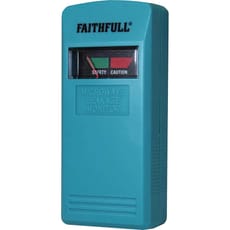
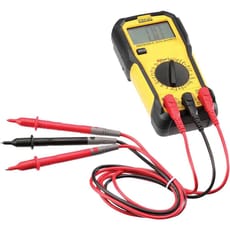
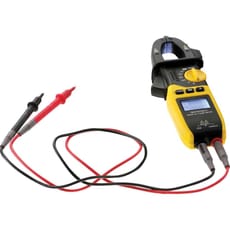
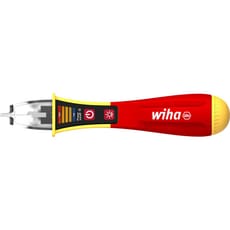
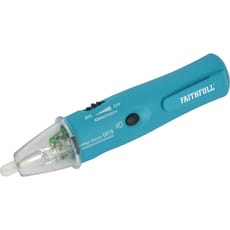
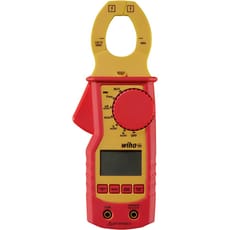
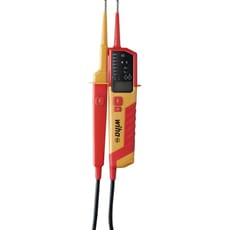
 Loading...
End of content
Error - No more pages to load
About Detectors & Testing Tools
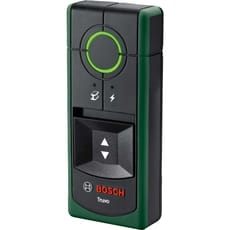
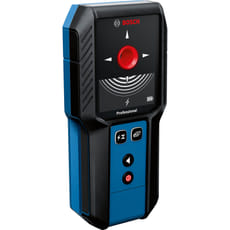
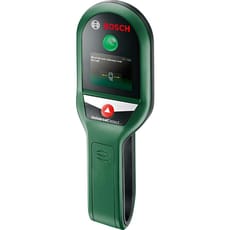
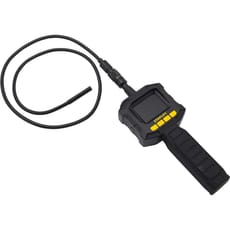
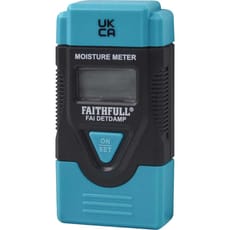
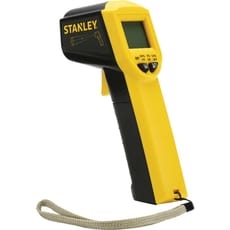
Detectors and testing tools are essential diagnostic equipment for electricians, plumbers, builders and property professionals working across electrical installations, construction and maintenance projects. This comprehensive category at MyToolShed.co.uk encompasses voltage testers, multimeters, cable and pipe detectors, thermal imaging cameras, damp meters and inspection equipment designed to identify hidden hazards, verify circuits and locate concealed services. From basic socket testers for DIY enthusiasts to advanced multifunction testers for qualified electricians, these instruments help ensure installations comply with BS 7671 wiring regulations and HSE safety standards.
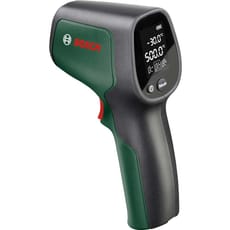
Whether you're testing 240v circuits before going live, locating pipes behind walls before drilling, or using thermal detectors to identify electrical faults and heat loss, having accurate detection equipment is crucial for safe, efficient work. MyToolShed stocks trusted brands including Bosch, Milwaukee, DeWalt and Makita, offering everything from simple non-contact voltage testers to professional-grade instruments with CAT III and CAT IV ratings suitable for mains installation work.
Applications
- Electricians and electrical contractors – testing circuits, verifying installations, fault-finding and compliance certification in domestic and commercial properties
- Plumbers and heating engineers – locating hidden pipes and cables before cutting into walls, floors and ceilings
- Building surveyors and property inspectors – identifying damp, structural issues and electrical problems during property surveys
- Carpenters and joiners – detecting concealed cables and pipes before fixing battens, skirting boards or cabinetry
- General builders and construction workers – ensuring safe working practices and avoiding damage to hidden services
- Maintenance engineers and facilities managers – routine testing and troubleshooting of electrical and mechanical systems
- DIY enthusiasts and homeowners – safe home improvement projects requiring electrical testing or stud detection
Choosing The Right Detectors & Testing Tools
Identify your specific requirements: Electricians need comprehensive multimeters with appropriate CAT ratings for 240v work, whilst builders may prioritise multi-material cable and pipe detectors. For occasional DIY use, basic socket testers and stud detectors typically suffice.
Check safety ratings and compliance: Ensure electrical testing equipment meets BS EN 61010 standards with adequate CAT ratings for your working voltage. Professional electricians generally require CAT III rated tools for 240v installation work and HSE-compliant devices for commercial sites.
Consider accuracy and detection capabilities: Professional-grade detectors offer superior detection depths (often exceeding 120mm) and can differentiate between ferrous metals, non-ferrous metals, live cables and plastic pipes. True RMS multimeters are essential for accurate readings on modern electrical systems with LED lighting and variable speed drives.
Evaluate durability and site-worthiness: Construction site tools need robust construction, decent IP ratings for dust and moisture resistance, and protective holsters. Consider battery compatibility with existing tool platforms like Milwaukee M12 or Makita LXT systems.
Safety Information
Electrical testing carries inherent risks and must only be performed by competent persons with appropriate training. Always follow the "prove, test, prove" procedure—verify your voltage tester works on a known live source, perform your test, then re-verify afterwards. Never assume circuits are dead without proper testing. Ensure all testing equipment is regularly inspected for damage, particularly test leads which can develop dangerous internal breaks whilst appearing intact. Use only instruments with adequate CAT ratings for the voltages you're working with—under-rated equipment can fail catastrophically on higher voltage installations.
Frequently Asked Questions
Do I need qualifications to use electrical testing equipment?
Basic voltage detectors and socket testers can be used by anyone for simple checks, but comprehensive electrical testing and certification requires appropriate qualifications such as City & Guilds 2391. Under UK law, only competent persons should test electrical installations, and Part P Building Regulations apply to domestic electrical work.
What's the difference between a voltage tester and a multimeter?
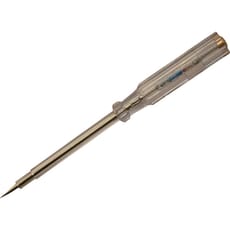
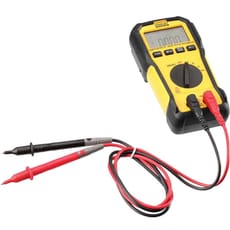
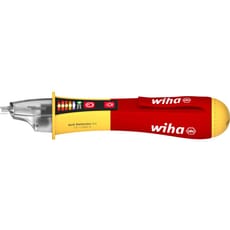
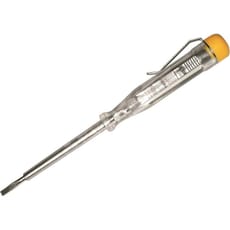
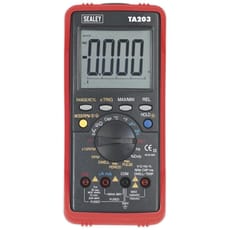
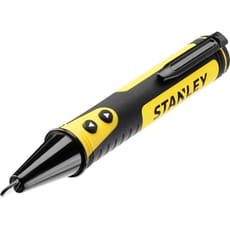
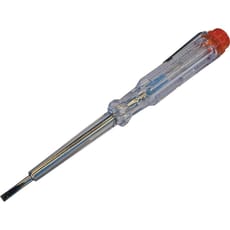
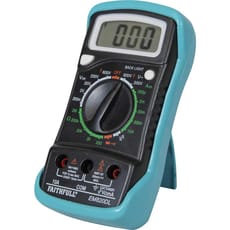
Voltage testers (non-contact testers or voltage sticks) simply indicate the presence of voltage without touching conductors—ideal for quick safety checks. Multimeters are comprehensive instruments providing precise numerical readings of voltage, current, resistance, continuity and often capacitance and frequency, essential for diagnostic work and compliance testing.
How deep can cable and pipe detectors scan?
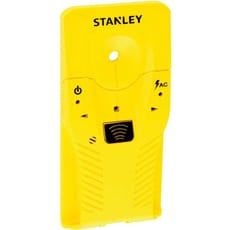
Detection depth varies depending on device quality, material type and wall composition. Entry-level detectors typically find objects up to 40-50mm deep, whilst professional-grade multi-scanners can detect metal pipes and cables at depths exceeding 120mm. Live electrical cables are generally easier to detect than dead cables or plastic pipes.