
Filters

Pay in 3 interest-free payments on purchases from £20-£3000 with  . Learn more.


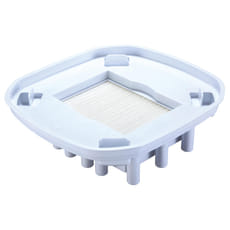
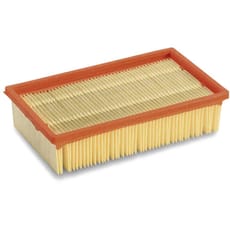
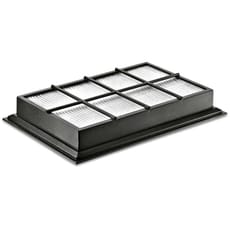
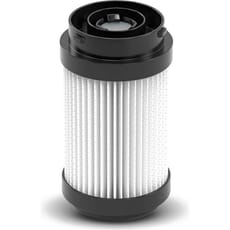
Loading...
End of content
Error - No more pages to load
About Filters
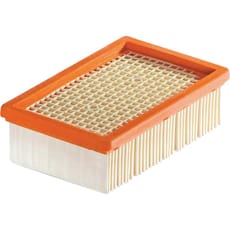
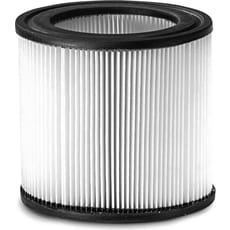
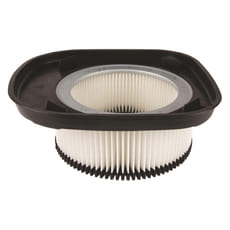
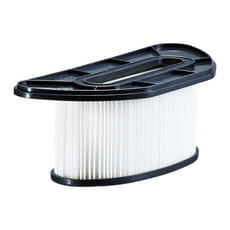
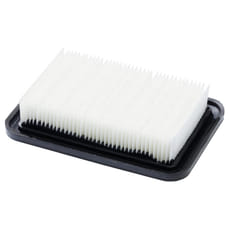
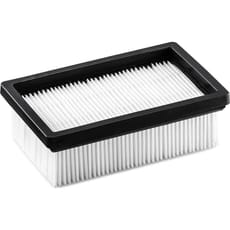
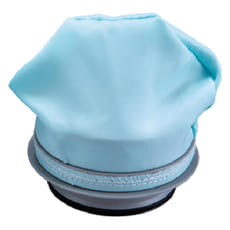
Replacement filters are essential consumables for maintaining the performance and safety of dust extractors and vacuum cleaners used across the construction and woodworking trades. MyToolShed.co.uk stocks a comprehensive range of filters from leading manufacturers including Bosch, Festool, DeWalt, Draper, and Kärcher, covering everything from basic cellulose filters to specialist PTFE and PES flat pleated filters designed for demanding professional applications. Whether you're maintaining a workshop dust extractor or replacing worn filters on site equipment, having the correct filter ensures effective dust capture, protects motor components, and maintains compliance with HSE workplace health and safety requirements.
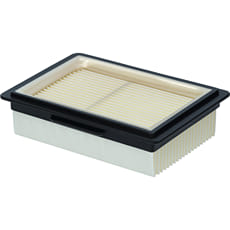
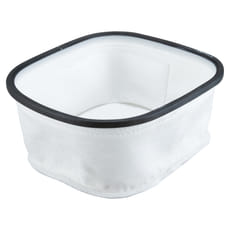
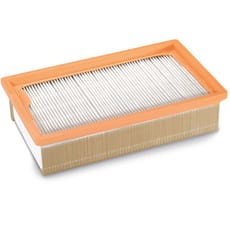
Different extraction tasks require specific filter types and specifications. Cellulose flat pleated filters offer cost-effective general-purpose filtration for wood dust and construction debris, whilst PES (polyester) filters provide superior durability and can be washed and reused multiple times. PTFE-coated filters deliver the highest performance with sticky residues or fine powders, offering excellent cleaning characteristics and extended service life. MyToolShed stocks model-specific filters for popular extractors including the Bosch GAS series, DeWalt DCV586M, Festool systems, and various Draper models, ensuring you can maintain peak extraction efficiency and protect both your health and equipment investment.
Applications
Replacement dust extractor and vacuum filters are essential for trades and applications including:
- Carpenters and joiners managing wood dust from sanding, sawing, and routing operations
- Plasterers and drylining specialists controlling fine plaster and joint compound dust
- Decorators extracting sanding dust during preparation work
- Floor fitters capturing dust from sanding and cutting operations
- General builders managing mixed construction dust and debris
- Workshop owners maintaining clean fabrication environments
- Stone masons and tilers controlling silica dust from cutting operations
- Vehicle body shops extracting fine sanding dust during preparation
- Maintenance teams ensuring extraction equipment remains compliant
- DIY enthusiasts maintaining home workshop equipment
Choosing The Right Filters
Model compatibility is critical—filters are rarely interchangeable even between models from the same manufacturer. Always verify your equipment's exact model number against the filter specification. Bosch filters, for example, differ between GAS 25, GAS 35, and UNIVERSALVAC ranges.
Filter material should match your extraction requirements. Cellulose filters offer economical general-purpose filtration but may clog quickly with fine or damp dust. PES filters provide better performance, can be washed and reused, and offer better long-term value despite higher initial cost. PTFE-coated filters excel with sticky residues and fine powders where maximum efficiency is required.
Classification level must meet HSE requirements for your application. M-Class filters capturing at least 99.9% of particles are mandatory for many professional trades, particularly when extracting wood dust above workplace exposure limits.
Pre-filters capture larger debris and significantly extend main filter life. If your system supports multi-stage filtration, using both pre-filters and main filters reduces running costs and maintains consistent suction performance.
Keep spares available—professional tradespeople should maintain at least one spare filter per extractor to prevent downtime when filters become clogged mid-job.
Safety Information
Always disconnect equipment from the 240v mains supply before changing filters. Wear appropriate PPE including dust masks when handling used filters, as they contain concentrated dust that may include hazardous materials. Seal used filters in plastic bags before disposal to prevent dust release, and follow COSHH disposal procedures if you've been extracting regulated materials.
Never operate dust extraction equipment without proper filters installed—this causes motor damage and allows harmful dust to circulate. Replace filters according to manufacturer guidelines or sooner if you notice reduced suction or visible damage. Operating with clogged filters reduces extraction efficiency and may result in dust exposure exceeding HSE workplace limits.
Frequently Asked Questions
How often should I replace my dust extractor filter?
Replacement frequency depends on usage intensity and dust type. Professional tradespeople using extractors daily should inspect filters weekly and typically replace cellulose filters every 1-3 months. Washable PES or PTFE filters can last 6-12 months or longer with regular cleaning. Replace immediately if you notice tears, holes, or significantly reduced suction.
Can I wash and reuse my dust extractor filter?
Only if specifically designated as washable by the manufacturer. PES and some PTFE-coated filters can typically be washed with water and mild detergent, then thoroughly dried before reinstallation. Cellulose filters cannot be washed and will disintegrate if wet. Always check the manufacturer's maintenance instructions for your specific filter type.
Are compatible filters as good as original manufacturer filters?
Whilst some third-party filters offer acceptable performance at lower cost, original manufacturer filters from brands like Bosch, Festool, and DeWalt guarantee proper fit, filtration efficiency, and compliance with specifications. For professional use where health and safety compliance is critical, original filters available from MyToolShed.co.uk are the recommended choice.