
Extension Hoses & Tubes

Pay in 3 interest-free payments on purchases from £20-£3000 with  . Learn more.

Loading...
End of content
Error - No more pages to load
About Extension Hoses & Tubes
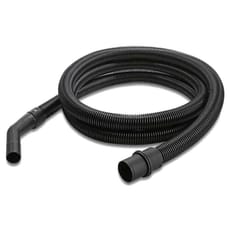
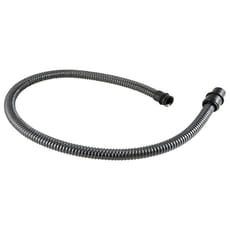
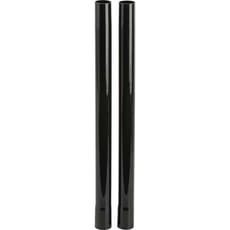
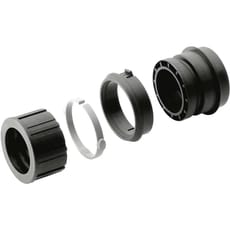
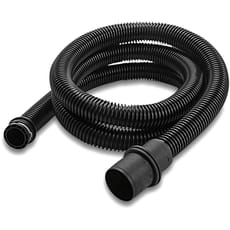
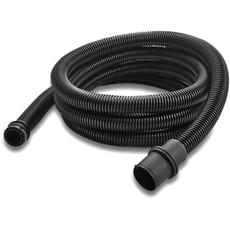
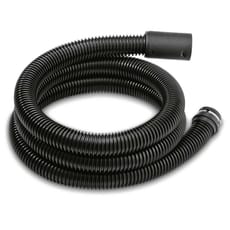
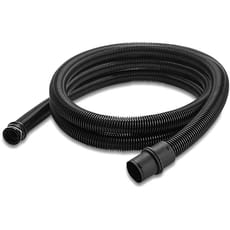
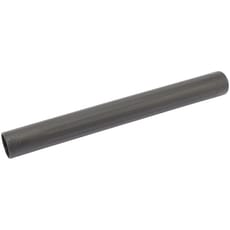
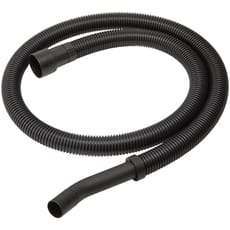
Extension hoses and tubes are essential accessories for professional dust extractors and vacuum cleaners, enabling tradespeople to extend their working radius without constantly relocating equipment. These components facilitate efficient dust collection across larger workspaces, in multi-room environments, and when accessing hard-to-reach areas. MyToolShed.co.uk stocks a comprehensive range including antistatic hoses that prevent dangerous static build-up, flexible corrugated tubes for navigating obstacles, rigid extension pipes for straight-line reach, and specialist connectors including elbow joints and adapters.
Available in various diameters including 19mm, 27mm, 35mm, and 36mm, these hoses and tubes are designed to maintain optimal suction performance whilst withstanding the rigours of site work. The range at MyToolShed features products from leading manufacturers including Karcher Professional, Bosch Professional, Festool, Makita, DeWalt, and Draper, ensuring compatibility with most professional-grade dust extractors and vacuum systems on the market. Whether you require smooth-bore hoses for maximum airflow or flexible corrugated options for manoeuvrability, you'll find solutions suitable for both professional contractors and demanding DIY applications.
Applications
- Joiners and Carpenters - Extending dust extraction for track saws, routers, and sanders across workshops and site installations
- Decorators and Drywall Specialists - Managing fine dust from sanding operations over extended areas and multiple rooms
- Builders and General Contractors - Maintaining site cleanliness and HSE compliance across larger work areas
- Floor Fitters - Dust extraction during sanding and cutting operations across expansive floor spaces
- Facilities Maintenance Teams - Reaching difficult areas for cleaning in commercial buildings
- Cabinet Makers - Workshop dust collection with flexibility to move between benches and machines
- Shopfitters - On-site dust control during installation work in retail and commercial spaces
- DIY Enthusiasts - Home renovation projects requiring professional-grade dust control and extended reach
Choosing The Right Extension Hoses & Tubes
Check Compatibility: Ensure the hose diameter matches both your dust extractor outlet and power tool inlet. Common professional sizes include 27mm, 32mm, 35mm, and 36mm. Many manufacturers use proprietary connection systems such as bayonet fittings or locking collars, so matching brands often ensures the best fit.
Consider Length Requirements: Calculate the maximum distance needed in your typical working environment. Whilst multiple extensions can be connected, each additional metre reduces suction power through increased airflow resistance. Most professional extractors maintain effective performance up to 7-10 metres total hose length.
Antistatic Properties: For HSE compliance and ATEX regulations, particularly when working with fine combustible dusts such as wood or plaster, choose antistatic hoses with conductive elements. These are identifiable by a visible earthing wire or conductive strip running through the hose construction.
Hose Construction: Flexible corrugated hoses offer excellent manoeuvrability around obstacles, whilst smooth-bore hoses provide better airflow and are easier to clean. Rigid extension tubes are ideal for straight-line reach and feature lower airflow resistance. Professional-grade options from brands like Festool, Bosch Professional, and Karcher Pro are built to withstand site conditions including being driven over and exposure to sharp debris.
Safety Information
Always ensure hoses are properly connected and secured before operating dust extraction equipment to prevent disconnection during use. Inspect hoses regularly for splits, tears, or damage that could compromise extraction efficiency or create tripping hazards on site. When working with materials that produce combustible dust, use only antistatic hoses to prevent dangerous static discharge and ensure your complete extraction system maintains electrical continuity for proper earthing. Be aware of maximum hose length recommendations from your dust extractor manufacturer, as excessive extensions can overwork the motor and reduce extraction effectiveness below safe levels required for HSE compliance. Avoid creating tripping hazards by routing hoses sensibly across walkways, and never drive vehicles over hoses unless they're specifically rated for such use.
Frequently Asked Questions
Can I connect multiple extension hoses together for extra length?
Yes, you can typically connect multiple extensions, but each additional metre reduces suction power due to increased airflow resistance. Most professional dust extractors maintain effective extraction up to 7-10 metres total hose length. Check your manufacturer's specifications and use the shortest practical hose length for optimal performance.
What's the difference between antistatic and standard hoses?
Antistatic hoses contain conductive materials that safely dissipate static electricity to earth, preventing dangerous static build-up when extracting fine dust particles. Standard hoses can accumulate static charge, which poses fire and explosion risks with certain materials. For professional use, particularly with wood and plaster dust, antistatic hoses are strongly recommended and may be required for HSE compliance.
Will any 35mm hose fit my 35mm dust extractor?
Not necessarily. Whilst internal diameter is important, connection types vary between manufacturers. Festool, Bosch, Makita, and other brands often use proprietary bayonet or locking collar systems. For the most secure and efficient connection, matching the hose brand to your extractor brand is recommended, though universal adapters are available for cross-compatibility.