

Edging Irons
Pay in 3 interest-free payments on purchases from £30-2000 with  . Learn more.
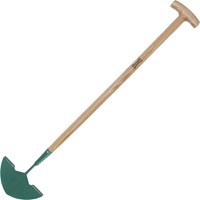
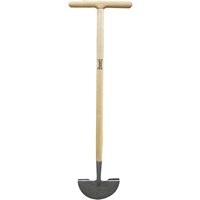
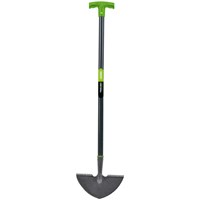
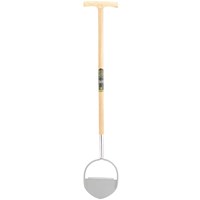
 Loading...
End of content
Error - No more pages to load
About Edging Irons
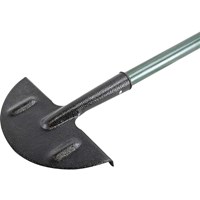
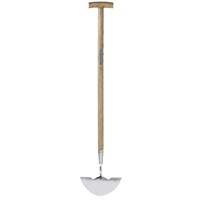
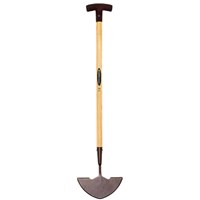
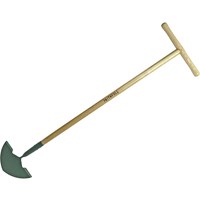
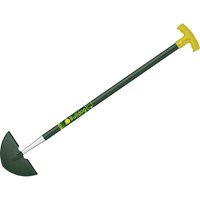
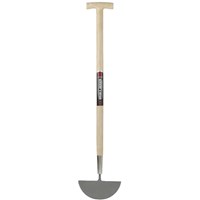
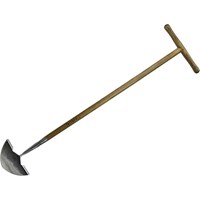
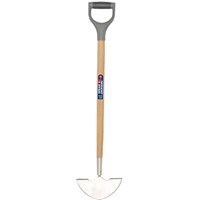
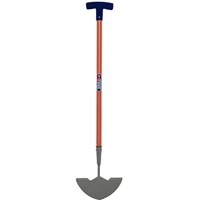
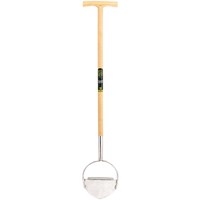
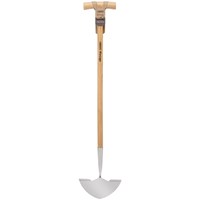
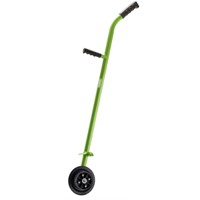
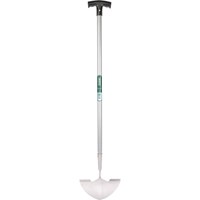
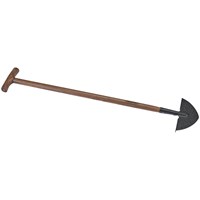
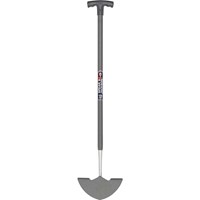
An edging iron is an essential garden tool designed to create and maintain crisp, professional-looking borders between lawns and other garden features such as flower beds, pathways, and patios. Also known as lawn edgers or half-moon edgers, these simple yet effective tools help transform overgrown lawn edges into sharply defined borders that dramatically improve any garden's overall appearance. MyToolShed.co.uk stocks a comprehensive range of edging irons from trusted brands including Spear and Jackson, Faithfull, Draper, Bulldog, and Wolf Garten.
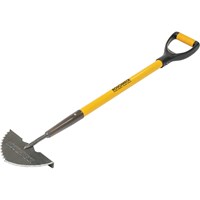
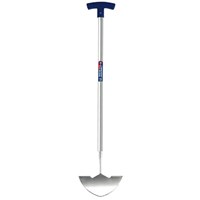
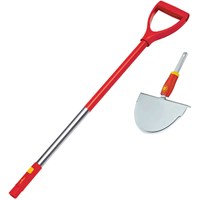
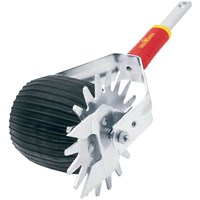
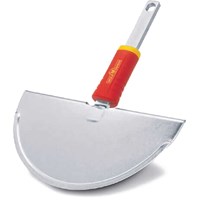
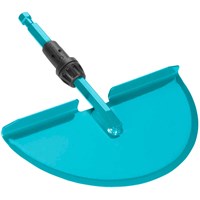
Our collection includes traditional manual edging irons crafted from durable carbon steel for everyday use, premium stainless steel versions that resist rust and require minimal maintenance, and specialist designs with serrated blades for tackling tough, compacted ground. Many feature comfortable ash or hardwood handles with foot treads for easier penetration into harder soil, whilst multi-change systems from Gardena COMBISYSTEM and Wolf Garten allow you to use interchangeable heads with a single handle for space-saving convenience.
Applications
Edging irons are used across various sectors for creating and maintaining defined lawn boundaries:
- Landscape Gardeners: Professional landscapers creating crisp, clean finishes on commercial and domestic projects
- Groundskeepers and Greenkeepers: Maintenance staff responsible for parks, sports grounds, golf courses, and public spaces
- Garden Maintenance Contractors: Regular lawn care services maintaining pristine edges as part of comprehensive packages
- Local Authority Ground Staff: Council workers maintaining public green spaces, verges, and communal gardens
- Estates and Facilities Management: Those maintaining corporate grounds, housing estates, and institutional gardens
- Keen Gardeners and DIY Enthusiasts: Homeowners seeking professional-looking results in their own gardens
- Allotment Holders: Creating defined pathways and borders between growing areas
Choosing The Right Edging Irons
Blade Material: Carbon steel edging irons offer excellent value and performance for regular domestic use, holding a sharp edge that cuts cleanly through turf. For professional users or those seeking minimal maintenance, stainless steel options resist corrosion even in damp conditions and clean up easily after use.
Handle Type and Length: Traditional ash or hardwood handles provide durability, comfortable grip, and good shock absorption. Standard handle lengths typically range from 950mm to 1000mm, though consider your height and the scale of work involved when selecting.
Blade Design: The classic half-moon shape works well for most applications. For creating new borders through established turf or working with clay-heavy soil, consider a serrated edging iron which cuts through tough ground more aggressively.
Foot Tread: A rolled or stepped tread at the top of the blade is essential for comfortable, efficient use, allowing you to apply downward force without discomfort during extended work.
Professional vs Domestic Use: For occasional domestic use, entry-level models from Draper or Faithfull deliver adequate performance. Professional landscapers should consider premium ranges such as Spear and Jackson Neverbend or Bulldog Evergreen, which offer enhanced durability for daily use.
Frequently Asked Questions
What's the difference between carbon steel and stainless steel edging irons?
Carbon steel edging irons are more affordable and hold a sharp edge excellently, making them ideal for regular domestic use. However, they require cleaning and occasional oiling to prevent rust. Stainless steel models cost more initially but resist corrosion naturally, require less maintenance, and are preferred by professionals who use them frequently in all weather conditions.
How often should I edge my lawn?
For maintaining existing edges, most gardeners edge their lawns every 4-6 weeks during the growing season (April to September in the UK). MyToolShed.co.uk recommends that well-maintained edges require less effort than neglected ones, so regular light maintenance is more efficient than infrequent heavy work.
Can I use an edging iron on all soil types?
Standard edging irons work well on most soil types, though technique varies. Sandy or loamy soils are easiest to cut through. Clay soils and compacted ground require more force and benefit from a serrated blade design. Very dry, hard ground is best edged after rainfall or watering, when soil is slightly moist and more workable.