
Dust Extractors

Pay in 3 interest-free payments on purchases from £20-£3000 with  . Learn more.
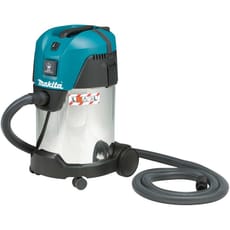
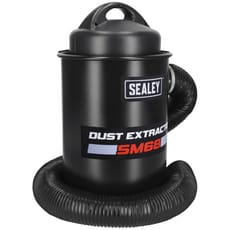
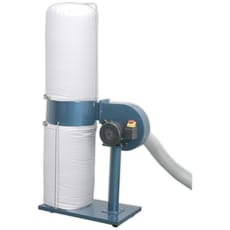
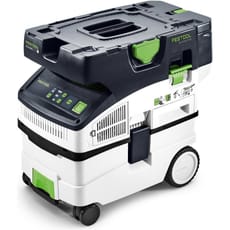
Loading...
End of content
Error - No more pages to load
About Dust Extractors
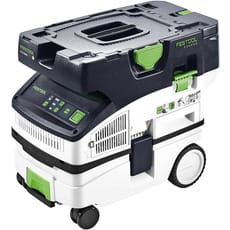
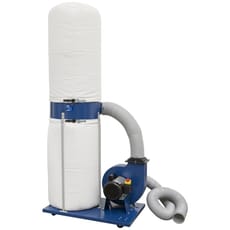
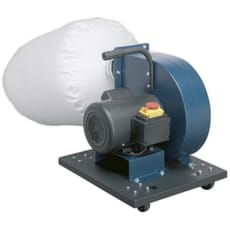
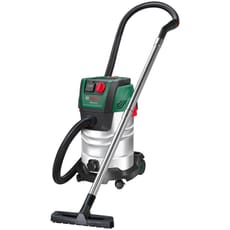
Dust extractors are essential equipment for maintaining clean, safe, and compliant working environments across construction sites, workshops, and industrial facilities. Unlike standard vacuum cleaners, professional dust extractors are specifically engineered to handle fine particulate matter, construction debris, and hazardous dust generated during cutting, grinding, drilling, and sanding operations. Available in L Class, M Class, and H Class specifications, these machines help tradespeople comply with HSE regulations and COSHH requirements whilst protecting long-term respiratory health.
MyToolShed.co.uk stocks dust extractors from leading professional brands including Festool, Bosch Professional, Makita, and DeWalt. The range spans compact 10-litre cordless models ideal for mobile tradespeople through to robust 55-litre industrial extractors for continuous operation. Modern units feature advanced filtration systems, automatic filter cleaning, wet and dry capability, and smart technology such as Bluetooth connectivity and tool-triggered operation. Whether powered by 240v mains or 18v battery platforms, these extractors deliver the performance and reliability demanded by professional applications.
Applications
Dust extractors serve numerous trades and professional applications:
- Carpenters and Joiners: Managing wood dust during cutting, routing, and sanding to comply with HSE woodworking regulations
- Builders and General Contractors: Controlling concrete, brick, and masonry dust during drilling and chasing work
- Decorators and Plasterers: Capturing plaster and filler dust during sanding and surface preparation
- Floor Fitters: Managing dust from floor preparation, adhesive removal, and cutting operations
- Stone Masons and Tilers: Controlling hazardous silica dust during cutting and grinding
- Renovation Specialists: Safely extracting potentially hazardous materials during refurbishment projects
- Metal Fabricators: Collecting metal swarf and grinding dust in workshop environments
- Vehicle Repair Technicians: Managing body filler dust and paint preparation debris
- DIY Enthusiasts: Home renovators prioritising health, cleanliness, and professional results
Choosing The Right Dust Extractors
Dust Classification: Select the appropriate class for your materials. L Class suits general construction debris and gypsum, M Class handles hardwood and concrete dust, whilst H Class with HEPA filtration is mandatory for carcinogens like asbestos and lead. Check HSE guidance for your specific applications.
Capacity and Portability: Compact 10-15 litre cordless models from Bosch and DeWalt suit mobile tradespeople, 25-35 litre units balance capacity with manoeuvrability for general site work, whilst 55+ litre extractors are ideal for workshop installations or extended operations.
Power Source: Corded 240v extractors provide continuous operation and maximum suction for demanding applications. Cordless 18v models offer excellent mobility and eliminate trailing cables, with some DeWalt FlexVolt units operating on both battery and mains power.
Automatic Features: Tool-triggered operation synchronises extractors with power tools, whilst automatic filter cleaning maintains performance during extended use. Festool models excel in smart connectivity, whilst Bosch Professional extractors offer robust auto-cleaning systems.
Wet and Dry Capability: Most professional extractors handle both dust extraction and liquid spillages, providing versatility for varied site conditions. Verify filter requirements when switching between wet and dry operation.
Safety Information
Under COSHH regulations, employers and self-employed tradespeople must adequately control exposure to hazardous substances including construction dust. Prolonged exposure to wood dust, silica, and fine particles can cause serious respiratory conditions including occupational asthma and silicosis. Always select the correct dust class for your materials—using inadequate classification breaches HSE regulations and poses serious health risks. When working with materials potentially containing asbestos or lead, H Class extraction with HEPA filtration is mandatory. Ensure filters are regularly maintained and replaced according to manufacturer schedules. Anti-static hoses are essential when working with fine combustible dusts to prevent ignition risks. MyToolShed.co.uk recommends always wearing appropriate respiratory protection as dust extractors supplement rather than replace personal protective equipment.
Frequently Asked Questions
What's the difference between L, M, and H Class dust extractors?
The classification relates to filtration efficiency and hazard level. L Class (99% efficiency) suits low-risk dusts like general construction debris, M Class (99.9%) handles medium-risk materials including hardwood and concrete dust, whilst H Class (99.995% HEPA filtration) is mandatory for high-risk carcinogens like asbestos and lead.
Are cordless dust extractors powerful enough for professional use?
Modern 18v cordless extractors from Bosch, Makita, and DeWalt provide sufficient performance for most professional applications, particularly with high-capacity batteries (5.0Ah or greater). They excel for mobile tradespeople and situations where mains power is unavailable, though corded 240v extractors deliver superior continuous runtime for intensive applications like concrete grinding.
How often should I empty the container and replace filters?
Empty the collection container when it reaches approximately two-thirds full to maintain optimal suction. Filter replacement depends on usage intensity—manufacturers typically recommend inspection every 25-50 hours of operation. Many extractors available at MyToolShed.co.uk feature filter monitoring systems that indicate when maintenance is needed.