
Dust Bags

Pay in 3 interest-free payments on purchases from £20-£3000 with  . Learn more.
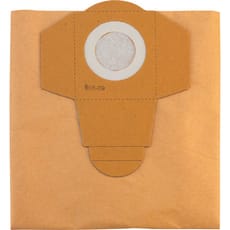
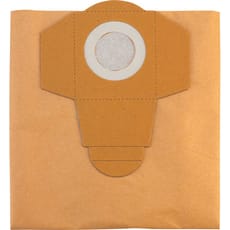
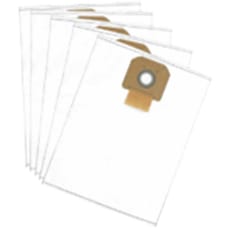
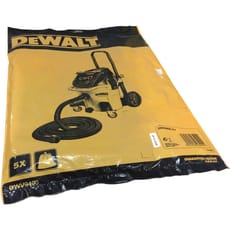
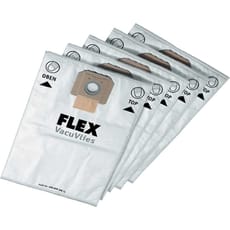
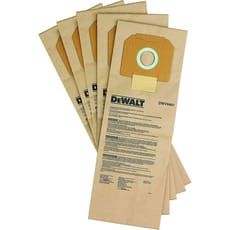
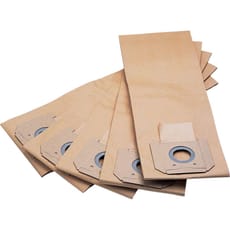
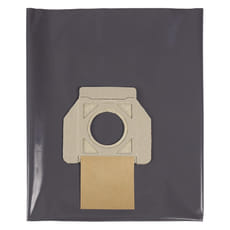
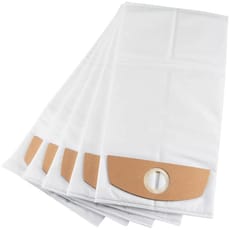
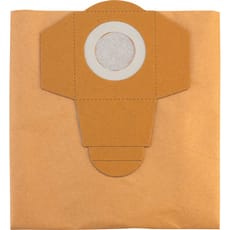
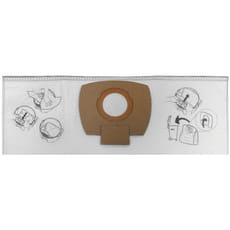
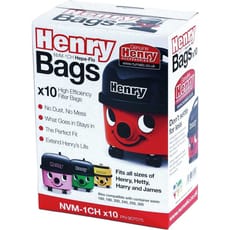
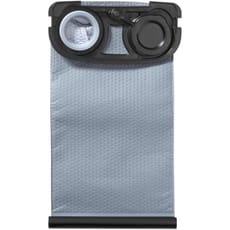
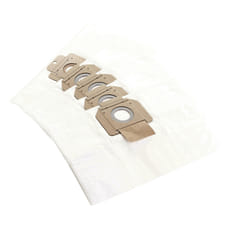
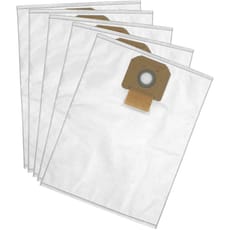
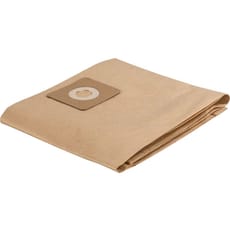
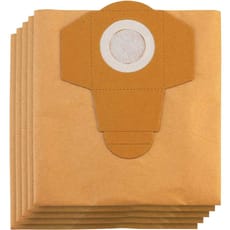
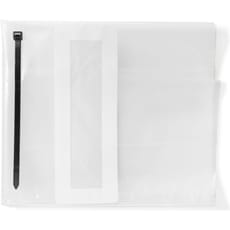
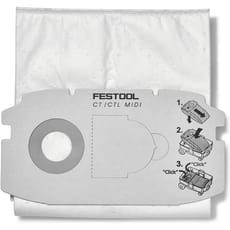
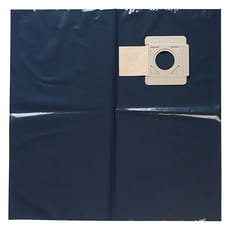
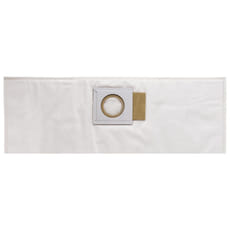
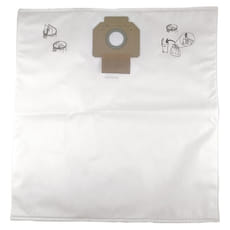
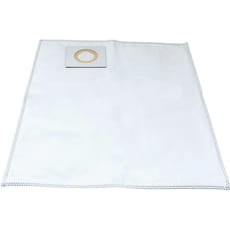
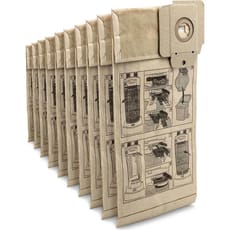
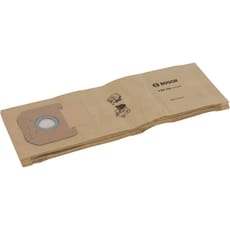
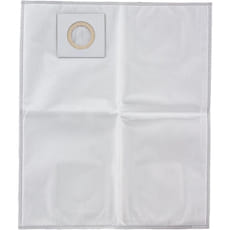
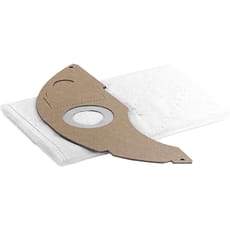
Makita Genuine P-70297 Filter Dust Bags for 446L, VC2012L, VC2511, and VC3011L
in stock
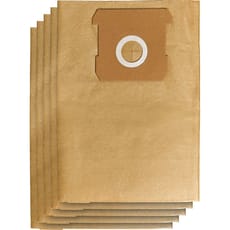
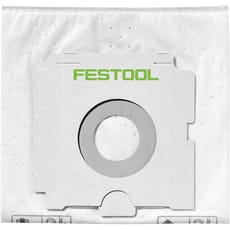
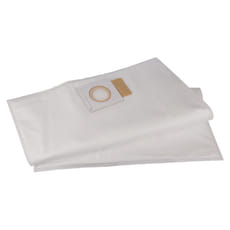
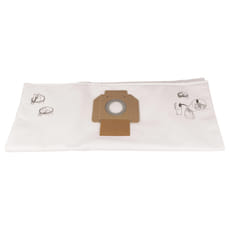

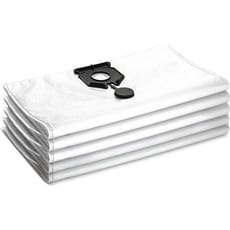
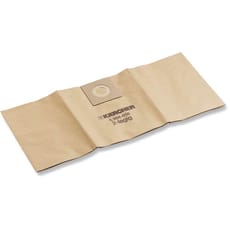
 Loading...
End of content
Error - No more pages to load
About Dust Bags
Dust bags are essential consumables for workshop vacuums, dust extractors, and industrial cleaning equipment used by professional tradespeople and serious DIY enthusiasts. These purpose-designed collection bags capture fine dust, debris, and hazardous particles generated during cutting, sanding, drilling, and demolition work, helping maintain cleaner, healthier working environments whilst protecting vacuum motors and filter systems. MyToolShed.co.uk stocks dust bags compatible with leading brands including Bosch Professional, Festool, DeWalt, Kärcher, and Draper, available in both paper and fleece variants to suit different applications and budgets.
Professional-grade dust bags offer superior filtration compared to standard household vacuum bags, with many designed to capture particles as small as 0.3 microns. Fleece dust bags typically provide better filtration efficiency and longer service life than paper alternatives, maintaining strong suction performance even as they fill. Paper bags remain a cost-effective choice for general workshop cleaning and less demanding applications. Proper use of manufacturer-approved dust bags ensures optimal extraction performance and helps comply with HSE regulations regarding workplace dust control and COSHH requirements.
Applications
Dust bags are essential consumables across a wide range of trades and applications:
- Carpenters and joiners – managing wood dust from sawing, routing, and sanding operations
- Decorators and plasterers – controlling fine plaster dust and preparation debris
- Builders and general contractors – site cleaning and masonry dust extraction
- Floor fitters – collecting dust from sanding and cutting laminate, wood, and vinyl flooring
- Kitchen and bathroom fitters – managing dust from cutting worktops, tiles, and installation work
- Shop fitters – maintaining clean working environments in occupied premises
- DIY enthusiasts – home workshop maintenance and project clean-up
- Vehicle repair workshops – capturing grinding dust and debris from bodywork
Choosing The Right Dust Bags
Check compatibility: Always verify the dust bag is designed for your specific vacuum or extractor model. Bosch GAS, Festool CTL/CTM, and DeWalt DWV extractors require manufacturer-specific bags with proper fitment connections. Using incorrect bags can result in poor suction, dust leakage, or equipment damage.
Material selection: Fleece bags cost more initially but last considerably longer, maintain better suction as they fill, and provide superior filtration of fine particles—ideal for regular professional use and hazardous dusts. Paper bags offer an economical option for occasional use and general cleaning where fine filtration isn't critical.
Filtration requirements: Consider the type of dust you're extracting. Fine wood dust, plaster, and mineral particles require higher filtration efficiency. For materials subject to workplace exposure limits under COSHH regulations, ensure your dust bags meet appropriate M-Class or H-Class filtration standards.
Pack quantities: MyToolShed.co.uk offers dust bags in various pack sizes. Larger quantities provide better value for regular users, whilst smaller packs suit occasional DIY applications.
Safety Information
Under COSHH Regulations, employers and self-employed tradespeople must control exposure to hazardous dusts including wood dust, silica, and other respirable particles. Using appropriate dust extraction with suitable filter bags helps meet these legal obligations. Always replace dust bags before they become overfilled, as this reduces extraction efficiency and can release dust back into the workspace. When removing full bags, seal them carefully—many professional bags feature integrated closure systems. Dispose of dust bags containing hazardous materials according to local waste management regulations. Even with effective extraction, appropriate respiratory protection may still be required for certain materials and working conditions.
Frequently Asked Questions
What's the difference between fleece and paper dust bags?
Fleece bags are made from multi-layered synthetic material offering superior filtration, longer service life, and better airflow maintenance as they fill. They're ideal for professional use with hazardous dusts. Paper bags are more economical, suitable for general cleaning and coarse debris, but fill faster and provide less effective fine particle filtration.
How often should I change my dust extractor bag?
Replace dust bags when they're approximately two-thirds full, or when you notice reduced suction performance. Overfilling reduces extraction efficiency and risks splitting the bag. Heavy users working with fine materials like plaster may need daily changes, whilst occasional workshop cleaning might require monthly replacement.
Can I use generic dust bags instead of branded ones?
Manufacturer-branded bags are engineered specifically for your extractor model, ensuring proper fit, optimal filtration, and reliable performance. Generic alternatives may be cheaper but can have fitment issues, inferior filtration, or weaker construction. For professional use and health and safety compliance, branded bags from Bosch, Festool, DeWalt, and other reputable manufacturers are recommended.