
Drill Bits

Pay in 3 interest-free payments on purchases from £20-£3000 with  . Learn more.
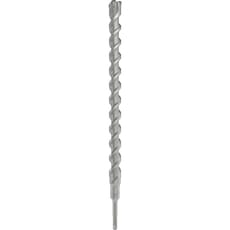
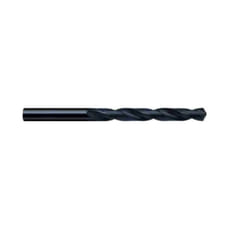
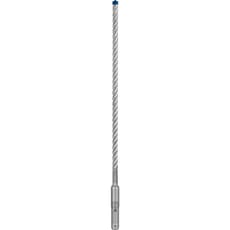
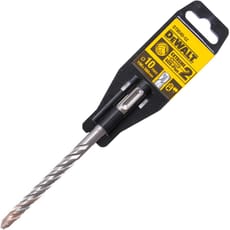
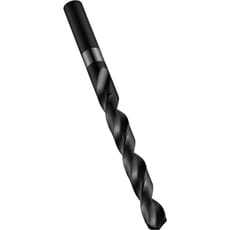
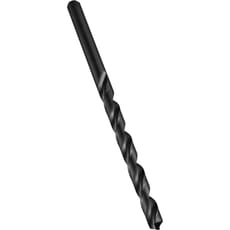
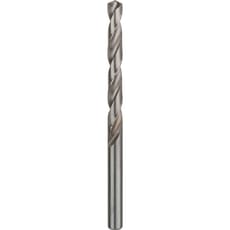
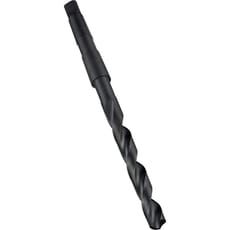
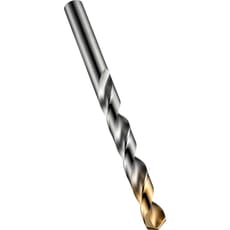
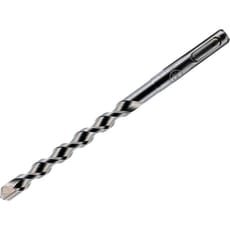
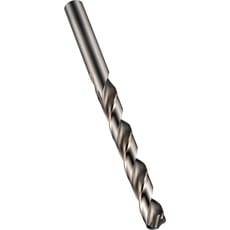
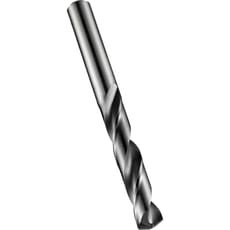
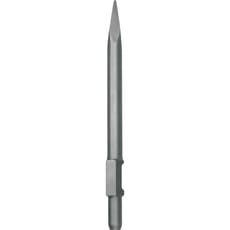
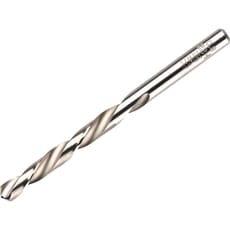

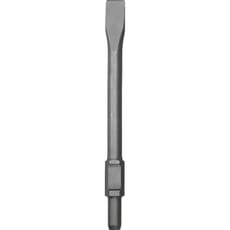
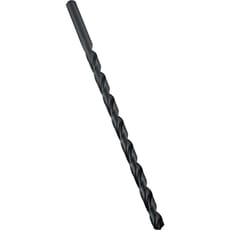
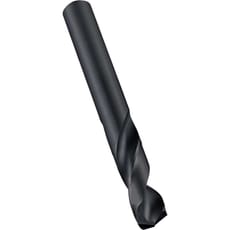
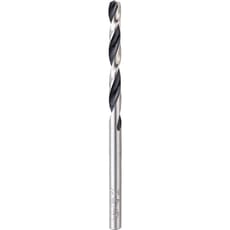
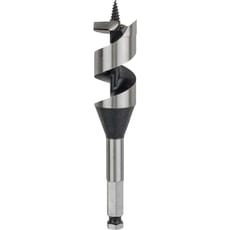
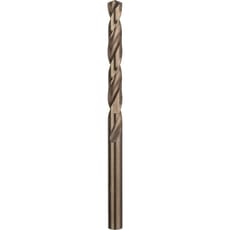
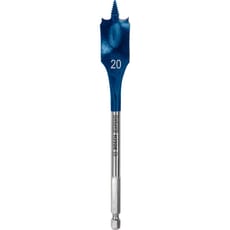
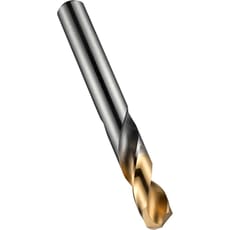
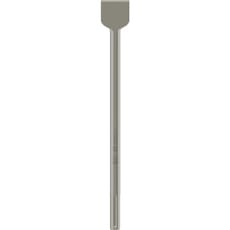
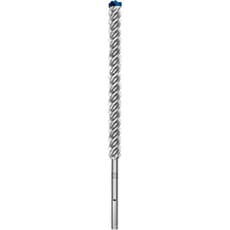
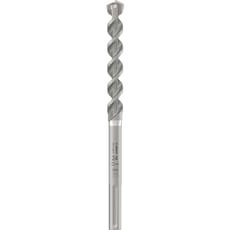
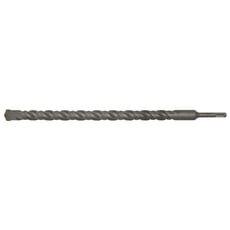
Bosch EXPERT SDS MAX 8X Concrete 4 Cutter Carbide Head SDS Max Drill Bit
in stock
 Loading...
End of content
Error - No more pages to load
About Drill Bits
Drill bits are precision cutting tools designed to create clean, accurate holes in materials ranging from softwood and hardwood through to metal, masonry, concrete, glass, and tile. MyToolShed.co.uk stocks a comprehensive range of specialist drill bits engineered for every application, whether you're working on construction sites, in workshops, or tackling DIY projects at home. From HSS twist bits for metalwork to carbide-tipped masonry bits and diamond-coated glass bits, this selection covers every material and drilling requirement.
Success in drilling depends entirely on matching the correct bit to your material and drill type. Different substrates require specific cutting geometries, tip designs, and construction materials to drill efficiently without damaging the bit or workpiece. The drill bits range includes wood augers and spade bits, SDS Plus and SDS Max bits for hammer drills, cobalt steel bits for stainless steel, multi-material bits for versatile applications, and specialist options for core drilling and magnetic drill users. MyToolShed.co.uk stocks trusted brands including Makita, DeWalt, Milwaukee, and Bosch, ensuring professional performance and longevity across all trades.
Applications
Drill bits are essential tools used across virtually every trade and industry:
- Electricians: Drilling cable runs through joists, fixing points for consumer units, and conduit entry holes
- Plumbers: Creating pipe penetrations, securing brackets, and drilling radiator pipe runs
- Carpenters: Precision wood drilling for joinery, furniture making, door hanging, and framework construction
- Builders and General Contractors: Multi-material drilling for fixings and framework across wood, metal, and masonry
- Bricklayers: Masonry drilling for wall ties, fixings, and anchor points in brick and concrete
- Window Fitters: Specialist glass and tile drilling for installations without cracking
- Kitchen and Bathroom Fitters: Drilling through tiles, worktops, and substrates for taps and waste pipes
- Metalworkers: Precision drilling in steel, aluminium, and other metals using HSS and cobalt bits
- Maintenance Teams: General-purpose drilling for repairs, installations, and building maintenance
- DIY Enthusiasts: Home improvement projects, furniture assembly, and household repairs
Choosing The Right Drill Bits
Material Compatibility: This is the most critical factor. Wood bits feature sharp points and wide flutes but dull quickly on harder materials. HSS bits suit metal, plastic, and wood. Masonry bits have carbide tips for brick and concrete. Always match your bit to your material for optimal results and longevity.
Drill Type and Chuck System: Ensure compatibility between your drill and bit. Standard round-shank bits fit three-jaw chucks on regular drills. SDS Plus and SDS Max bits require corresponding SDS chucks found on hammer drills and rotary hammers. Hex-shank bits suit impact drivers and quick-change systems.
Diameter and Length: Consider both hole size and depth requirements. Metric sizing (millimetres) is standard in the UK. For deep holes through thick walls or joists, extra-long bits are available. Short stubby bits offer better control in confined spaces.
Quality and Durability: Professional tradespeople benefit from quality bits from brands like Makita, DeWalt, Milwaukee, and Bosch. Cobalt HSS bits offer enhanced heat resistance for stainless steel and tough materials. For occasional DIY use, mid-range options provide adequate performance.
Safety Information
Personal Protection: Always wear safety glasses or goggles to protect against flying debris and swarf. Use hearing protection with hammer drills. When drilling overhead, full face protection is advisable.
Dust Hazards: When drilling masonry, concrete, or stone, use dust extraction to minimise respirable crystalline silica exposure, which presents serious health risks under COSHH regulations. Ensure adequate ventilation when drilling treated timber.
Hidden Services: Before drilling into walls, floors, or ceilings, check for hidden cables and pipes using a suitable detector. When using 240v mains-powered tools, ensure they're protected by an RCD.
Frequently Asked Questions
What's the difference between HSS-R and HSS-G drill bits?
HSS-R (rolled) bits are manufactured from rolled steel and offer good value for general metalwork. HSS-G (ground) bits are precision ground for improved accuracy and cutting performance, making them better suited to engineering and precision work. Both drill metal, wood, and plastic, but HSS-G offers superior performance.
Can I use masonry bits in wood or wood bits in masonry?
Whilst masonry bits will technically drill wood, they produce rough, imprecise holes due to their blunt carbide tips. Wood bits used in masonry will dull almost immediately and are completely unsuitable. Always use bits specifically designed for your material for best results and longest bit life.
Do I need SDS bits for drilling masonry?
For light-duty work in brick with holes up to 8-10mm, standard masonry bits in a combi drill work adequately. However, for regular masonry drilling, larger holes, harder materials like concrete, or deeper holes, SDS Plus bits in a proper hammer drill are far more efficient and reduce user fatigue significantly.