
Demolition Hammers
Pay in 3 interest-free payments on purchases from £30-2000 with  . Learn more.
 Loading...
End of content
Error - No more pages to load
About Demolition Hammers
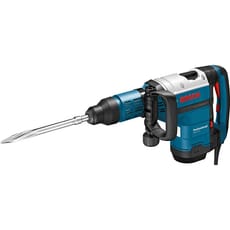
Demolition hammers are heavy-duty power tools designed specifically for breaking through concrete, masonry, tiles, and other hard materials during construction, renovation, and demolition projects. MyToolShed.co.uk stocks a comprehensive range from leading manufacturers including Makita, DeWalt, Bosch Professional, and Einhell, with options spanning compact 18v cordless models delivering around 8 joules of impact energy through to powerful mains-powered breakers exceeding 60 joules. Most professional-grade demolition hammers utilise the SDS Max fitting system for secure chisel retention and efficient power transfer, whilst heavier breaker-style units feature 28mm hexagonal shank fittings for the most demanding applications.
Modern demolition hammers incorporate advanced vibration reduction systems to comply with HSE guidelines on Hand-Arm Vibration Syndrome (HAVS), alongside features like brushless motor technology for improved efficiency and runtime. Cordless innovations such as DeWalt's FlexVolt 54v system now deliver corded-level performance with unmatched portability, making demolition hammers indispensable on UK building sites where their compact size compared to pneumatic alternatives allows quick deployment without compressors or generators.
Applications
Demolition hammers are essential tools for numerous construction and renovation professionals across the UK:
- Demolition Contractors: Breaking concrete, removing structural elements, and stripping out buildings
- Builders and General Contractors: Site preparation, foundation work, and renovation projects requiring material removal
- Electricians: Chasing walls for conduit installation and creating access points for consumer units
- Plumbers: Breaking through floors and walls to install pipework, soil stacks, and waste systems
- Groundworkers: Removing concrete bases, breaking up paths, and preparing surfaces for new construction
- Floor Fitters: Removing old tiles, screeds, and floor coverings before installing new flooring systems
- Bathroom and Kitchen Fitters: Breaking out tiles, removing fixtures, and preparing surfaces during refurbishment
- Stonemasons and Landscapers: Shaping stone, breaking paving, and hard landscaping demolition work
Choosing The Right Demolition Hammers
Power Source: Mains-powered 240v models deliver consistent performance for extended periods and suit static site work, whilst cordless 18v and 54v FlexVolt options offer unmatched flexibility for working across large sites or properties without power supply.
Impact Energy Requirements: Match the tool's power to your applications. Light demolition like tile removal requires 5-15 joules, medium-duty concrete breaking needs 15-30 joules, whilst heavy structural demolition demands 30-70+ joules. MyToolShed.co.uk stocks models across the entire spectrum to suit every requirement.
Vibration Control: Critical for professional users who may spend hours operating these tools. Look for sophisticated anti-vibration systems, especially if you regularly exceed the HSE's Exposure Action Value of 2.5 m/s². Premium models from Makita, DeWalt, and Bosch incorporate multiple vibration-damping technologies that significantly reduce HAVS risk.
Weight and Ergonomics: Lighter models (4-7kg) suit wall and overhead work, whilst heavier units (7-15kg) are best for floor applications. Consider grip configuration and weight distribution for your typical working positions.
Safety Information
Always wear appropriate PPE including safety boots, impact-resistant eye protection, and hearing protection rated to at least SNR 27dB. Respiratory protection (minimum FFP3 standard) is essential when breaking concrete or masonry due to harmful silica dust, in accordance with COSHH regulations. Comply with the Control of Vibration at Work Regulations 2005 by monitoring exposure times and staying below the daily exposure limit value of 5 m/s². Mains-powered tools should be used with 110v transformers on construction sites, with RCD protection rated at 30mA maximum. Always check for concealed cables, pipes, and services before breaking any structure.
Frequently Asked Questions
Can I use a demolition hammer overhead or on walls?
Lighter demolition hammers (typically under 7kg) with impact energy below 15 joules can be used on vertical surfaces and overhead, though this is physically demanding. Heavier models exceeding 10kg are really only practical for horizontal floor work due to their weight. Always check the manufacturer's guidance and take frequent breaks as overhead work significantly increases fatigue and vibration exposure.
Are cordless demolition hammers powerful enough for professional use?
Modern 54v FlexVolt systems and 36v/40v platforms now deliver impact energy comparable to light-to-medium mains-powered models (15-30 joules), making them genuinely viable for professional electricians, plumbers, and floor fitters tackling typical demolition tasks. However, for sustained heavy-breaking work or demolition contracting, mains-powered models still offer superior continuous performance for the most demanding applications.
What's the difference between SDS Max and SDS Plus?
SDS Max features larger 18mm diameter shanks designed specifically for heavy-duty demolition work, providing superior power transfer and secure chisel retention in high-impact applications. SDS Plus uses smaller 10mm shanks and is suited to lighter rotary hammer drills. The two systems are not interchangeable, so verify which fitting system your demolition hammer uses before purchasing accessories.