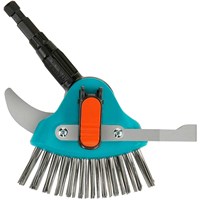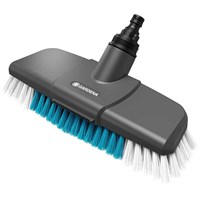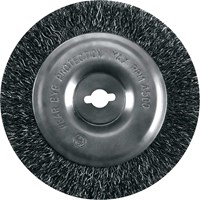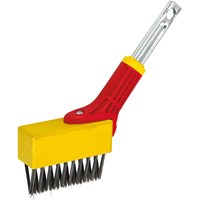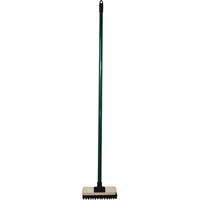
Decking and Patio Brushes
Pay in 3 interest-free payments on purchases from £30-2000 with
. Learn more.
Loading...
End of content
Error - No more pages to load
About Decking and Patio Brushes
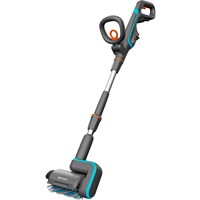
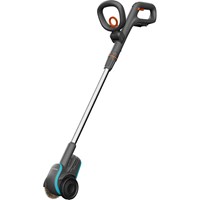
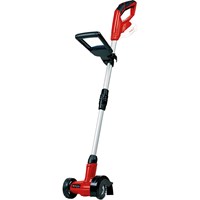
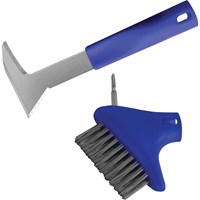
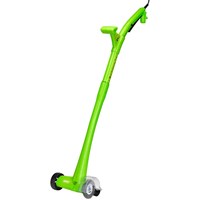
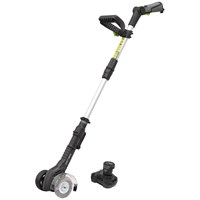
Decking and patio brushes are essential tools for maintaining outdoor hard surfaces, helping homeowners and professionals keep patios, decking, driveways, and pathways clean and free from weeds, moss, and algae. This category encompasses a wide range of cleaning solutions, from traditional manual wire brushes and patio weeders to advanced cordless electric models that make light work of tough cleaning tasks. Whether you're tackling stubborn weeds between paving slabs, removing years of accumulated grime from decking boards, or preparing outdoor surfaces for treatment or sealing, the right brush makes all the difference.
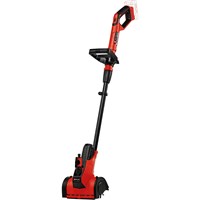
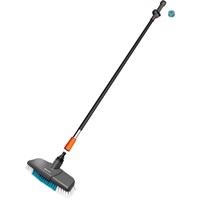
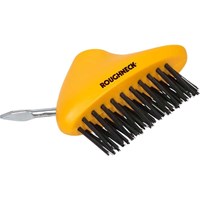
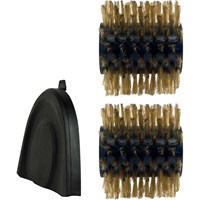
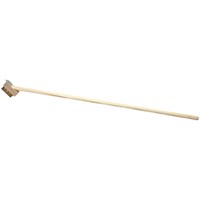
Modern decking and patio brushes have evolved significantly, with leading brands like Einhell, Gardena, and Kärcher offering battery-powered solutions that combine efficiency with convenience. These cordless patio cleaners feature interchangeable brush heads designed for different surfaces and cleaning intensities, from soft brushes for delicate timber decking to ultra-hard steel brushes for concrete and stone. Manual options from trusted names like Draper, Faithfull, and Roughneck remain popular for smaller jobs and touch-ups, offering reliable performance without the need for power sources.
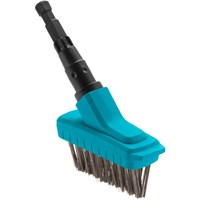
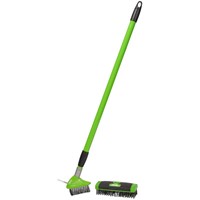
The range includes standalone brush heads, complete weeder-sweeper systems, and replacement brush attachments compatible with popular cordless platforms. With options spanning from budget-friendly hand tools to professional-grade electric systems, there's a solution for every outdoor cleaning requirement, whether you're maintaining a small courtyard or managing extensive commercial hard landscaping.
Jargon Buster
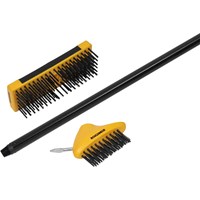
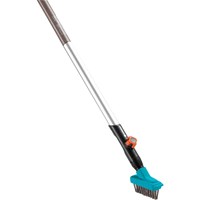
- Patio Weeder: A specialised tool designed to remove weeds, moss, and debris from gaps between paving slabs, block paving, and patio stones. Electric models use rotating brushes to dislodge growth without chemicals.
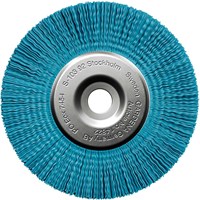
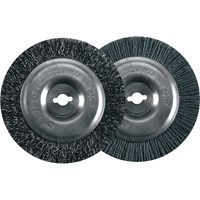
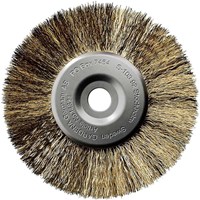
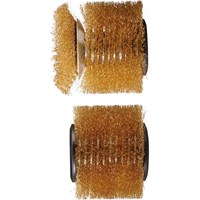
- Wire Brush Head: A brush attachment featuring steel wire bristles, ideal for heavy-duty cleaning of concrete, stone, and heavily soiled surfaces. Different wire thicknesses suit various applications and surface types.
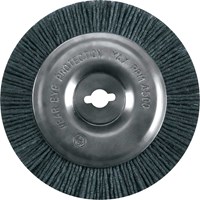
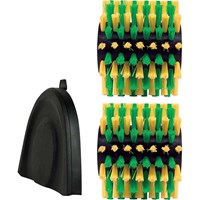
- Nylon Brush Head: A softer alternative to wire brushes, designed for use on more delicate surfaces like timber decking, composite materials, and treated stone where metal bristles might cause damage.
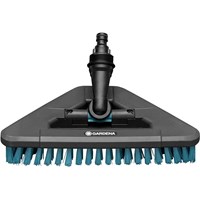
- Delta Brush: A triangular-shaped brush head that allows cleaning in corners and tight spaces where standard circular or rectangular brushes cannot reach effectively.
- Platform Compatibility: Refers to whether a tool operates on a specific battery system (such as 18V Li-ion platforms from Einhell or Gardena), allowing battery sharing across multiple tools.
- Auto-Lock Mechanism: A feature on adjustable patio brushes that allows the handle to lock at different angles or lengths, enabling comfortable working positions without constant readjustment.
Who Uses Decking and Patio Brushes?
Decking and patio brushes serve a diverse range of users, including:
- Homeowners and DIY enthusiasts maintaining patios, decking, and driveways around domestic properties
- Landscape gardeners and groundskeepers responsible for maintaining outdoor hard surfaces for clients
- Professional cleaners specialising in exterior property maintenance and pressure washing services
- Property maintenance contractors managing residential and commercial premises
- Estate managers and facilities teams maintaining pathways, courtyards, and communal outdoor areas
- Garden centres and nurseries keeping display areas and hard surfaces presentable
- Holiday let managers preparing properties between guest bookings
- Local authority ground maintenance teams caring for public spaces and pavements
How to Choose the Right Decking and Patio Brushes
Selecting the appropriate decking and patio brush depends on several key factors:
Power Source: Manual brushes offer simplicity and zero running costs, ideal for small areas and occasional use. Cordless electric models from brands like Einhell and Gardena provide significantly faster cleaning over larger areas and reduce physical effort, particularly valuable for regular maintenance or commercial applications. Consider whether you already own compatible battery platforms.
Surface Type: Different surfaces require different brush bristle types. Timber decking and composite materials need soft nylon or medium brushes to avoid surface damage, whilst concrete, stone paving, and block paving can withstand tougher steel wire brushes. Many electric systems offer interchangeable heads for versatility across multiple surface types.
Area Size: For courtyards and small patios, handheld brushes and manual weeders suffice. Medium to large patios benefit from long-handled tools or electric brushes, whilst extensive driveways and commercial spaces justify investment in professional cordless systems with extended runtime batteries.
Physical Considerations: Long-handled brushes and cordless electric models significantly reduce bending and kneeling, making them essential for users with mobility concerns or those tackling larger projects. Adjustable handles and auto-lock mechanisms enhance comfort during extended use.
Weeding vs Cleaning: Determine whether your primary need is removing weeds from joints and gaps (requiring narrow, penetrating brushes) or general surface cleaning (benefiting from wider brush heads). Combination tools offer both capabilities through interchangeable attachments.
Budget and Frequency: Occasional users may find manual options from Draper or Faithfull perfectly adequate, whilst regular maintenance demands or professional use warrant investment in quality cordless systems that save time and effort over the long term.
Popular Accessories
- Replacement brush heads in various bristle types (soft, medium, hard, steel wire, nylon) for different surfaces and cleaning intensities
- Additional batteries and chargers for extended runtime on cordless electric models
- Patio cleaner concentrate and specialist decking treatment products to enhance cleaning effectiveness
- Knee pads and kneeling mats for comfort when using manual brushes
- Protective eyewear to shield against flying debris during vigorous brushing
- Garden waste bags and tarpaulins for collecting removed moss, weeds, and debris
- Pressure washers to complement brush cleaning with water-based deep cleaning
- Decking oil and sealant applicators for surface protection after cleaning
Safety Information
When using decking and patio brushes, observe these important safety considerations:
Always wear safety glasses or goggles, as vigorous brushing can dislodge stones, dirt, and debris that may fly towards the face. This applies particularly when using wire brushes on hard surfaces or operating electric models at speed.
For electric and cordless models, familiarise yourself with the manufacturer's instructions before first use. Ensure batteries are correctly fitted and charged according to specifications. Check brush heads are securely attached before operation, and never attempt to change attachments whilst the tool is powered on.
When using wire brushes, wear sturdy gloves to protect hands from sharp bristles and potential abrasions. Steel bristles can occasionally detach during use, so inspect brush heads regularly and replace worn attachments promptly.
Be mindful of slippery surfaces created by dislodged moss and algae. Work systematically and clear debris regularly to maintain safe footing. When using long-handled tools, maintain awareness of overhead obstacles and surrounding persons to avoid accidental contact.
Store chemicals and cleaning concentrates safely according to COSHH guidelines, keeping them separate from tools and out of reach of children and pets.
Frequently Asked Questions
What's the difference between cordless patio brushes and pressure washers?
Cordless patio brushes mechanically scrub surfaces using rotating bristles, making them ideal for removing stubborn weeds, ingrained dirt, and organic growth from joints and textured surfaces. Pressure washers use high-pressure water jets for overall cleaning. Brushes work effectively on dry surfaces without creating runoff, whilst pressure washers require water supply and drainage. Many professionals use both: brushes for weed removal and detailed work, followed by pressure washing for final cleaning.
Can I use the same brush head on decking and concrete paving?
No, different surfaces require appropriate brush types. Steel wire brushes suitable for concrete and stone will damage timber decking, scratching the surface and accelerating weathering. Always use soft or medium nylon brushes on decking, composite materials, and delicate stone. If maintaining multiple surface types, invest in interchangeable brush heads appropriate to each material.
How often should I clean my patio and replace brush heads?
Most patios benefit from thorough cleaning twice yearly—typically spring and autumn—to prevent moss and weed establishment. High-traffic or shaded areas may require more frequent attention. Replace brush heads when bristles show significant wear, bending, or loss. Electric brush heads typically last 12-24 months with regular domestic use, though this varies based on surface abrasiveness and cleaning frequency.
Are battery-powered patio cleaners powerful enough for professional use?
Modern 18V cordless patio brushes from brands like Einhell, Gardena, and Kärcher deliver professional-grade performance suitable for commercial applications. Key factors include battery capacity (measured in Ah—higher is better for extended runtime), brush speed, and build quality. Professional users should invest in spare batteries and choose systems with proven reliability and readily available replacement parts.
Do I need chemicals when using a patio brush?
Mechanical brushing alone effectively removes most weeds, moss, and surface dirt without chemicals. However, applying patio cleaner or moss killer before brushing can enhance results on heavily soiled surfaces, with the brush action working the product into the surface. For environmentally conscious maintenance, mechanical cleaning proves sufficient for regular upkeep, reserving chemical treatments for severely neglected surfaces.