

Coving Mitres
Pay in 3 interest-free payments on purchases from £30-2000 with  . Learn more.
 Loading...
End of content
Error - No more pages to load
About Coving Mitres
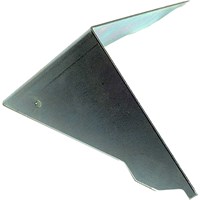
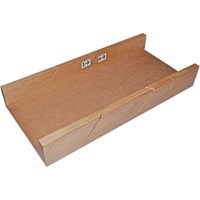
Coving mitres are precision cutting tools designed to help tradespeople and DIY enthusiasts achieve perfect 45-degree angles when installing coving and cornicing. Available in two main formats—mitre boxes and mitre templates—these essential tools eliminate guesswork and ensure clean, professional joints at both internal and external corners. Whether you're working with polystyrene, plaster, or timber coving, a quality coving mitre from MyToolShed.co.uk delivers the accuracy needed for seamless corner transitions that enhance any room's finish.
Mitre boxes provide a physical guide that holds coving securely whilst you cut through pre-set angled slots, making them ideal for straightforward installations. Templates allow you to mark accurate cutting lines directly onto the material before cutting, offering greater flexibility for experienced installers. Both approaches deliver consistent, professional results that save time and reduce material waste on site.
Applications
- Plasterers and Ceiling Fixers: Installing decorative mouldings and cornicing as part of interior finishing work
- Carpenters and Joiners: Fitting timber coving and architectural mouldings in residential and commercial properties
- Painters and Decorators: Offering coving installation as an additional service to complement decorating projects
- Property Developers: Achieving consistent results across multiple room refurbishments and new-build completions
- DIY Enthusiasts: Undertaking home improvement projects requiring professional-quality corner joints
- Maintenance Teams: Repairs and renovations in residential and commercial buildings
Choosing The Right Coving Mitres
When selecting coving mitres at MyToolShed.co.uk, first consider the material you'll be cutting most frequently. Mitre boxes work exceptionally well with polystyrene and lightweight plaster coving, whilst templates offer greater flexibility for heavier materials and varied applications.
Check the size capacity carefully—ensure the tool accommodates your typical coving widths, which generally range from 75mm to 150mm in UK installations. Professional installers working with varied sizes may benefit from multiple tools to cover different dimensions.
Build quality matters for long-term durability. Faithfull tools are renowned for robust construction that withstands repeated site use, whilst Wondermitre products offer innovative designs that simplify the cutting process. Consider whether you need a straightforward mitre box for occasional use or a more versatile template system for high-volume professional work.
Finally, assess ease of use and versatility. Some systems handle both internal and external corners with a single tool, whilst others require different positioning techniques. Beginners often prefer mitre boxes with clear angle guides, whereas experienced tradespeople may appreciate the flexibility of template systems for non-standard angles occasionally encountered in older properties.
Frequently Asked Questions
Can I use a coving mitre box for both internal and external corners?
Yes, most coving mitre boxes accommodate both corner types. The difference lies in how you position the coving—typically face up for internal corners and face down for external corners. Always check the manufacturer's instructions, as orientation methods can vary between brands.
What type of saw works best with a coving mitre box?
A fine-tooth hand saw or dedicated coving saw produces the cleanest results, preventing tearing and crushing particularly when cutting polystyrene. Avoid coarse-toothed saws which can cause rough edges requiring excessive filling and finishing work.
Do I need different tools for different coving sizes?
Many mitre boxes accommodate multiple widths within a range, typically 75mm to 127mm. However, if you regularly work with both small decorative coving and large ornate cornicing, separate tools may be necessary to ensure accurate positioning during cutting.