Circular Saw Blades

Category
Filter Options
DeWalt (124)
Draper (49)
Einhell (15)
Festool (46)
47mm (1)
85mm (9)
89mm (2)
100mm (4)
102mm (1)
110mm (1)
115mm (2)
120mm (4)
16mm (1)
20mm (12)
25mm (7)
30mm (24)
32mm (1)
35mm (1)
10mm (1)
13mm (1)
15mm (1)
16mm (12)
18mm (1)
20mm (13)
24mm (1)
25mm (7)
2T (1)
4T (16)
6T (13)
8T (4)
9T (1)
10T (6)
12T (43)
1.6mm (3)
2.5mm (12)
2mm (12)
3.4mm (1)
0.8mm (3)
1.1mm (4)
1.2mm (13)
1.3mm (1)
6.35mm (1)
9.5mm (2)
10mm (20)
12.7mm (5)
15.8mm (18)

Pay in 3 interest-free payments on purchases from £30-2000 with PayPal Pay in 3. Learn more.
Showing 281 results

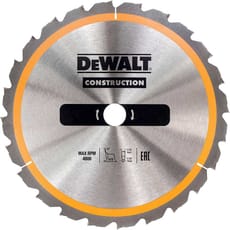
DeWalt Construction Circular Saw Blade

32 types from £6.99

in stock

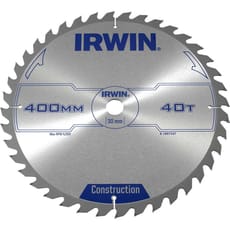
Irwin ATB Construction Circular Saw Blade

26 types from £18.95

in stock

Bosch Optiline Wood Cutting Saw Blade

47 types from £8.99

in stock

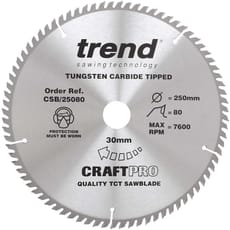
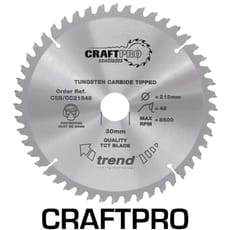
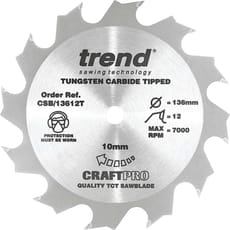
Trend CRAFTPRO Wood Cutting Saw Blade

45 types from £11.95

in stock

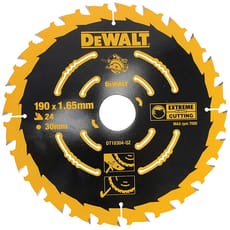
DeWalt Extreme Runtime Circular Saw Blade

14 types from £22.95

in stock

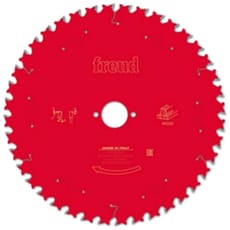
Freud LP30M General Purpose Circular Saw Blade

14 types from £21.95

in stock

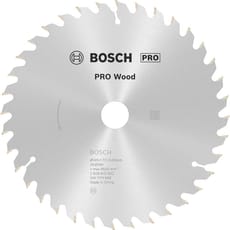
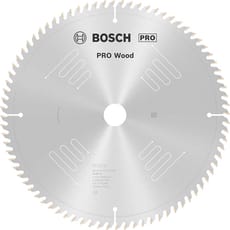
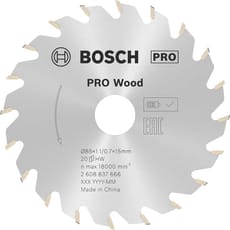
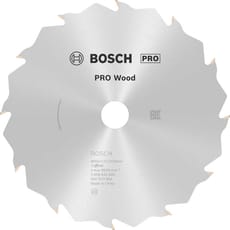
Bosch Pro Wood Cutting Mitre Saw Blade

14 types from £19.99

in stock

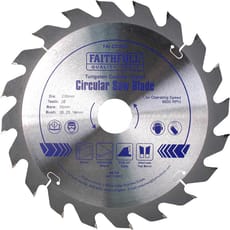
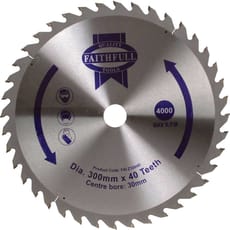
Faithfull Fast Rip TCT Circular Saw Blade

16 types from £11.95

in stock

Freud LP20M Wood Cutting Circular Saw Blade

8 types from £19.95

in stock

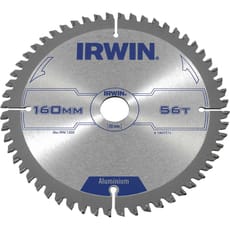
Irwin Aluminium Non-Ferrous Metal Saw Blade

7 types from £19.95

in stock

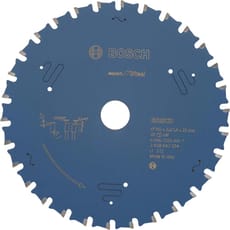
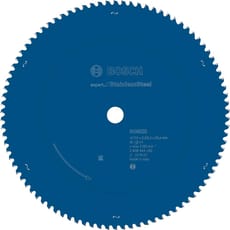
Bosch Expert Metal Steel Cutting Saw Blade

10 types from £44.95

in stock

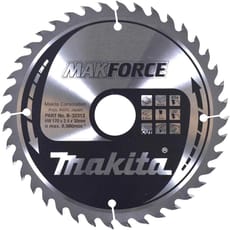
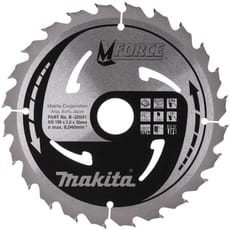
Makita Wood Cutting Circular Saw Blade

11 types from £13.95

in stock

Trend CRAFTPRO Wood Cutting Mitre Saw Blade

18 types from £25.95

in stock

Trend CRAFTPRO Wood Cutting Cordless Saw Blade

15 types from £20.95

in stock

Einhell Thin Kerf TCT Circular Saw Blade

6 types from £13.95

in stock

DeWalt Extreme General Purpose Saw Blades

15 types from £39.95

in stock

Einhell TCT Circular Saw Blade

4 types from £17.95

in stock

Festool Wood Fine Cutting Circular Saw Blade

3 types from £49.99

in stock

Bosch Speedline Wood Cutting Saw Blade

17 types from £9.99

in stock

End of page 1 of 8... scroll down for more...

Showing 281 results

Loading Loading...

End of content

Error - No more pages to load

About Circular Saw Blades

Circular saw blades are essential consumables for any tradesperson or DIY enthusiast working with power saws. Whether you're using a handheld circular saw, plunge saw, mitre saw, or table saw, the quality and specification of your blade directly impacts cutting performance, finish quality, and overall efficiency. At Tooled-Up, we stock an extensive range of circular saw blades from industry-leading manufacturers including Bosch, Makita, DeWalt, Festool, Trend, Freud, and Irwin, ensuring you'll find the perfect blade for your specific application.

Modern circular saw blades are highly specialised tools, engineered for specific materials and cutting tasks. From general-purpose wood cutting blades to specialised options for aluminium, laminate, steel, stainless steel, and even nail-proof construction timber, selecting the correct blade ensures clean cuts, longer blade life, and safer operation. Professional-grade blades feature advanced tooth geometries, anti-kickback designs, and carbide-tipped teeth that maintain their sharpness through thousands of cuts, making them a worthwhile investment for serious tradespeople.

Our circular saw blade selection caters to both cordless and corded power tools, with blade diameters ranging from compact 150mm options through to larger 305mm blades for industrial table saws. Whether you're a carpenter requiring fine crosscuts, a kitchen fitter cutting laminate worktops, or a general builder tackling mixed site work, you'll find blades optimised for your trade and materials in our comprehensive range.

Jargon Buster

  • Bore Size: The diameter of the central mounting hole that fits onto your saw's arbor (spindle). Common UK sizes include 16mm, 20mm, and 30mm. Always match the bore to your specific tool or use a reducing bush to adapt the fit.
  • Tooth Count (TPI): The total number of teeth on the blade. Low tooth counts (18-24 teeth) provide fast, rough cuts ideal for rip-cutting timber, whilst high tooth counts (60-80+ teeth) deliver smooth, splinter-free finishes perfect for cross-cutting hardwoods or cutting laminated panels.
  • Kerf: The width of the cut made by the blade. Thin kerf blades remove less material, requiring less power and producing less waste, making them ideal for battery-powered circular saws. Standard kerf blades offer greater stability and durability for demanding professional use.
  • TCT (Tungsten Carbide Tipped): Blades featuring carbide-tipped teeth that stay sharper significantly longer than standard steel teeth. TCT blades are the professional standard, offering excellent value despite higher initial cost due to their extended lifespan.
  • ATB (Alternate Top Bevel): A tooth configuration where teeth are angled alternately left and right, creating clean cuts with minimal tear-out. This is the most common grind for general-purpose wood cutting and cross-cutting applications.
  • Negative Rake Angle: Teeth angled backwards rather than forwards, reducing the blade's aggressiveness. Essential for cutting non-ferrous metals like aluminium and plastics, preventing the blade from grabbing and ensuring safer, cleaner cuts.

Who Uses Circular Saw Blades?

Circular saw blades are consumable items required by virtually every trade working with cutting tools:

  • Carpenters and Joiners: Regularly replace blades for cutting timber, sheet materials, and hardwoods with varying tooth counts for different finish requirements
  • Kitchen and Bathroom Fitters: Require specialised laminate blades for cutting worktops and melamine-faced panels without chipping
  • Roofers: Use dedicated blades for cutting roofing battens, OSB, and occasionally fibre-cement sheets
  • Shop Fitters and Shopfitters: Need versatile blades for mixed materials including MDF, plywood, and laminated boards
  • General Builders: Keep multiple blade types on site for cutting various construction materials
  • Groundworkers and Landscapers: Use saw blades for cutting decking, timber sleepers, and fence panels
  • Metal Fabricators: Require specialised ferrous and non-ferrous metal cutting blades for steel and aluminium work
  • Facilities Maintenance Teams: Stock replacement blades for workshop saws and on-site cutting requirements
  • Serious DIY Enthusiasts: Invest in quality blades for home renovation, furniture making, and general workshop projects

How to Choose the Right Circular Saw Blades

Selecting the correct circular saw blade is crucial for safety, performance, and achieving professional results. Consider these key factors:

Diameter: This is your most critical specification. Check your saw's manual or existing blade to confirm the exact diameter required. Common sizes include 165mm, 184mm, 190mm, 210mm, 216mm, 250mm, and 305mm. Never use an incorrectly sized blade as this creates serious safety hazards.

Bore Size: Measure the central hole or check your tool's documentation. If the perfect blade has a larger bore, circular saw blade bushes (reducing washers) allow safe adaptation, but never attempt to enlarge a bore to fit.

Tooth Count for Your Application: Low tooth counts (18-24T) excel at rapid rip-cutting along the grain but leave rougher edges. Medium counts (40-48T) offer versatility for general construction work. High counts (60-80T+) provide premium finishes for cross-cutting, fine joinery, and laminate materials. Match the tooth count to your primary application for optimal results.

Material Compatibility: Blades are optimised for specific materials. Wood-cutting blades suit timber and sheet goods, whilst specialised options exist for laminate flooring, aluminium, steel, stainless steel, plastics, and sandwich panels. Using material-specific blades dramatically improves cut quality and blade longevity.

Corded vs Cordless Tools: Battery-powered circular saws benefit from blades specifically designed for cordless use. These typically feature thinner kerfs and optimised tooth geometry to reduce battery drain whilst maintaining cutting performance. Brands like Bosch offer dedicated cordless blade ranges that maximise runtime.

Brand Quality: Professional-grade blades from manufacturers like Bosch Expert, Makita, DeWalt, and Festool deliver superior performance, longer life, and better cut quality compared to budget alternatives. For tradespeople, the cost-per-cut calculation strongly favours quality blades.

Popular Accessories

  • Circular Saw Blade Bushes: Reducing washers that adapt blades with larger bores to fit saws with smaller arbors, extending blade compatibility across your tool collection
  • Blade Storage Cases: Protective cases prevent tooth damage and store blades safely when not in use, essential for maintaining blade sharpness
  • Cleaning Fluid and Brushes: Specialist resin removers keep teeth clean, maintaining cutting efficiency and extending blade life
  • Guide Rails and Tracks: Plunge saw rails from Festool, Makita, and DeWalt ensure perfectly straight cuts when paired with quality blades
  • Extraction Hoses and Adaptors: Connect your saw to dust extraction systems for healthier working conditions and cleaner cut lines
  • Anti-Splinter Strips: Replaceable guide rail strips that support material fibres, virtually eliminating tear-out on laminated panels

Safety Information

Circular saw blades are potentially dangerous cutting tools that demand respect and proper handling. Always follow HSE guidance and manufacturer safety instructions:

  • Disconnection Before Changing: Always disconnect the power supply or remove the battery before installing or removing blades. Never change blades with the tool plugged in.
  • Correct Installation: Ensure blades are mounted with teeth rotating in the correct direction (usually indicated by arrows on the blade body) and that all locking mechanisms are properly tightened using the correct tools.
  • Speed Rating Compliance: Never exceed the maximum RPM rating marked on the blade. Using blades on faster tools can cause catastrophic failure with serious injury risk.
  • PPE Requirements: Always wear safety glasses or face protection, hearing protection, and appropriate dust masks when cutting. Consider respiratory protection when cutting treated timber or engineered boards.
  • Blade Condition Inspection: Regularly inspect blades for cracked bodies, missing teeth, or excessive wear. Damaged blades must be replaced immediately—never use compromised blades.
  • Material Suitability: Only use blades on materials they're designed for. Using wood blades on metal or vice versa creates kickback risks and dangerous blade failure.

  • Secure Workpiece: Always properly clamp or secure material before cutting. Never attempt freehand cuts on unsupported work.

Frequently Asked Questions

How do I know when to replace my circular saw blade?

Replace blades when you notice increased resistance during cutting, burn marks on cut edges, excessive splintering or tear-out, or visible damage such as missing or chipped carbide tips. Professional tradespeople often replace blades preventatively before noticeable performance degradation affects job quality.

Can I use the same blade for ripping and cross-cutting?

General-purpose blades with medium tooth counts (40-48T) handle both applications reasonably well for site work. However, dedicated rip blades (24T) and crosscut blades (60T+) significantly outperform universal options in their specialised tasks. Many professional chippies keep multiple blades for different applications.

What's the difference between standard and cordless circular saw blades?

Cordless-specific blades feature thinner kerfs and optimised tooth geometry that reduce cutting resistance, maximising battery runtime without sacrificing cut quality. Whilst standard blades work on battery tools, dedicated cordless blades from manufacturers like Bosch deliver noticeably better performance and efficiency.

Do I need a special blade for cutting laminate flooring or worktops?

Absolutely. Laminate materials require high tooth count blades (typically 60-80+ teeth) with specific tooth geometry designed to cut through the hard melamine surface layer without chipping. Standard wood blades will cause significant damage to laminate edges, creating visible defects that compromise professional results.

Can circular saw blades be sharpened or are they disposable?

Quality TCT (tungsten carbide tipped) blades can be professionally sharpened multiple times, making this economically viable for expensive large-diameter blades used in table saws. However, smaller handheld circular saw blades are typically replaced rather than sharpened due to relatively low replacement costs versus professional sharpening services. Most tradespeople treat blades as consumables.

^ Top