

Circular Saw Blades
Pay in 3 interest-free payments on purchases from £30-2000 with  . Learn more.
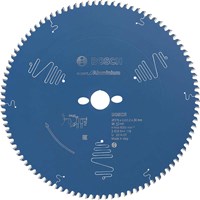
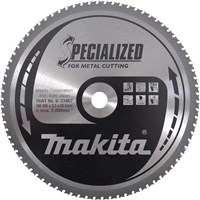
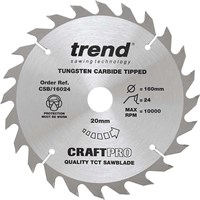
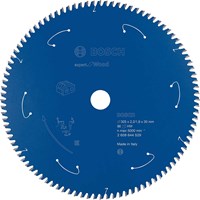
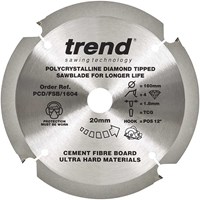
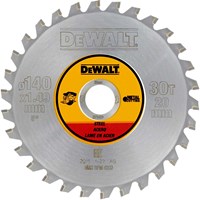

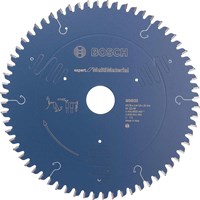
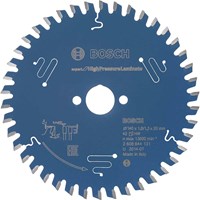
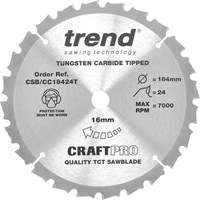
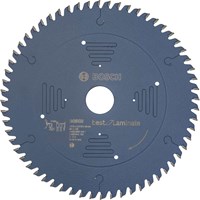
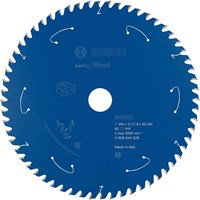
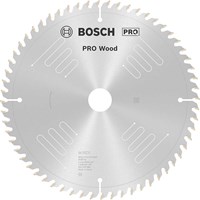
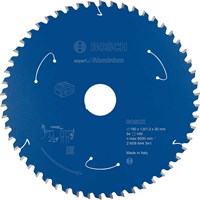
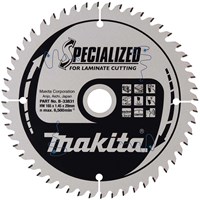
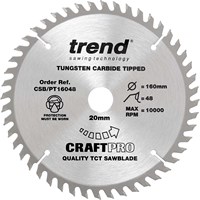
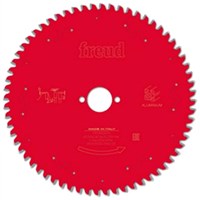
Freud LP85M Bi-Laminated Panel and Aluminium Cutting Circular Saw Blade
available
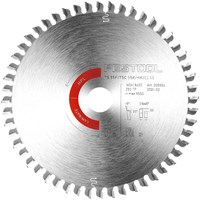
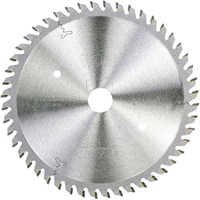

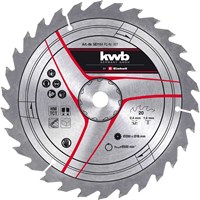
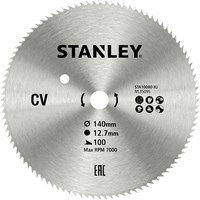
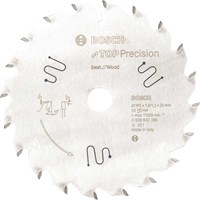
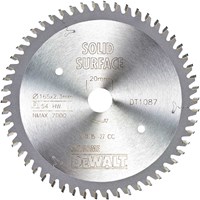
 Loading...
End of content
Error - No more pages to load
About Circular Saw Blades
Circular saw blades are essential consumable components for power cutting tools used across professional trades and serious DIY projects. Whether fitted to handheld circular saws, plunge saws, mitre saws, or table saws, the blade specification directly determines cutting performance, finish quality, and material compatibility. MyToolShed.co.uk stocks an extensive range from leading manufacturers including Bosch Professional and Blue Spot, covering blade diameters from 184mm through to 305mm with varying tooth counts and material specialisations.
Modern circular saw blades feature tungsten carbide tipped (TCT) teeth engineered for specific materials and applications. From general-purpose wood cutting through to specialised blades for aluminium, laminate, steel, and even nail-embedded construction timber, selecting the correct blade ensures clean cuts, extended blade life, and safer operation. Professional-grade options include cordless-optimised blades with reduced kerf thickness to maximise battery runtime without compromising cut quality, alongside high tooth count blades delivering splinter-free finishes on laminated panels and hardwoods.
Applications
Circular saw blades are required by virtually every trade working with cutting tools:
- Carpenters and Joiners: Cutting timber, sheet materials, and hardwoods with application-specific tooth counts
- Kitchen and Bathroom Fitters: Specialised laminate blades for worktops and melamine-faced panels
- General Builders: Multiple blade types for mixed construction materials on site
- Roofers: Cutting battens, OSB, and fibre-cement roofing materials
- Shopfitters: Mixed materials including MDF, plywood, and laminated boards
- Metal Fabricators: Dedicated ferrous and non-ferrous metal cutting applications
- Groundworkers and Landscapers: Decking, timber sleepers, and fence panels
- DIY Enthusiasts: Home renovation, furniture making, and workshop projects
Choosing The Right Circular Saw Blades
Diameter: Always match your saw's required blade size. Common diameters include 165mm, 184mm, 190mm, 210mm, 216mm, 250mm, and 305mm. Never use incorrectly sized blades as this creates serious safety hazards.
Bore Size: Check the central mounting hole diameter matches your saw's arbor. Standard UK sizes include 16mm, 20mm, and 30mm. Reducing bushes allow larger bores to fit smaller arbors safely.
Tooth Count: Low counts (18-24T) provide fast rip-cutting along timber grain. Medium counts (40-48T) suit general construction work. High counts (60-80T+) deliver premium finishes for cross-cutting and laminate materials.
Material Compatibility: Use material-specific blades for optimal results. Wood-cutting blades differ significantly from those designed for aluminium, steel, laminate flooring, or composite panels. MyToolShed.co.uk stocks specialised options for all common materials.
Cordless vs Corded: Battery-powered saws benefit from cordless-specific blades featuring thinner kerfs and optimised geometry that reduce power consumption whilst maintaining cutting performance.
Safety Information
- Disconnection First: Always disconnect 240v power or remove batteries before changing blades
- Correct Installation: Ensure teeth rotate in the correct direction and locking mechanisms are properly tightened
- Speed Rating: Never exceed the maximum RPM marked on the blade body
- PPE Requirements: Always wear safety glasses, hearing protection, and appropriate dust masks
- Blade Inspection: Replace blades showing cracks, missing teeth, or excessive wear immediately
- Material Suitability: Only use blades on materials they're designed for to prevent kickback and blade failure
Frequently Asked Questions
When should I replace my circular saw blade?
Replace blades when you notice increased cutting resistance, burn marks on cut edges, excessive splintering, or visible damage such as chipped carbide tips. Professional tradespeople often replace blades preventatively before performance degradation affects job quality.
Do I need a special blade for laminate worktops?
Yes, absolutely. Laminate materials require high tooth count blades (typically 60-80+ teeth) with specific geometry designed to cut through hard melamine surfaces without chipping. Standard wood blades will cause significant edge damage that compromises professional results.
What's the difference between cordless-specific blades?
Cordless-specific blades feature thinner kerfs and optimised tooth geometry that reduce cutting resistance, maximising battery runtime without sacrificing cut quality. Whilst standard blades work on battery tools, dedicated cordless options from manufacturers like Bosch deliver noticeably better performance and efficiency on 18v tools.