

Cable Cutters
Pay in 3 interest-free payments on purchases from £30-2000 with  . Learn more.
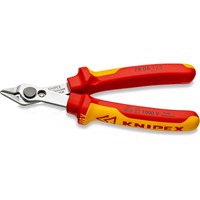
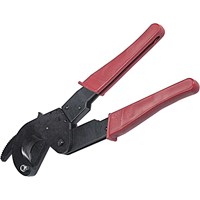
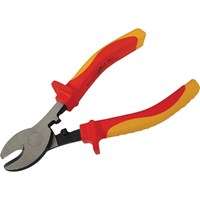
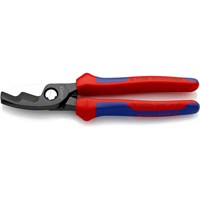
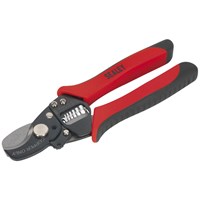
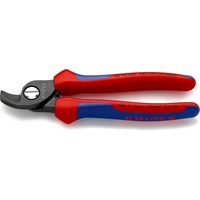
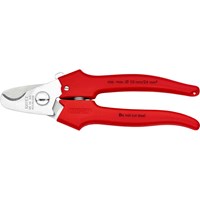
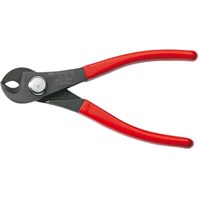
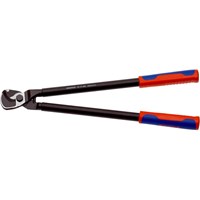
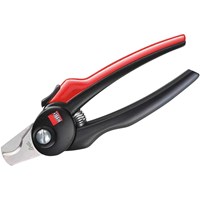
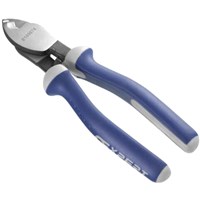
 Loading...
End of content
Error - No more pages to load
About Cable Cutters
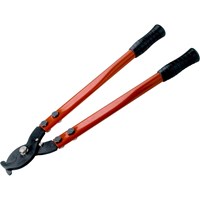
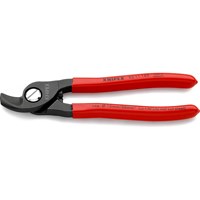
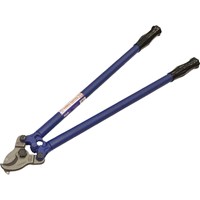
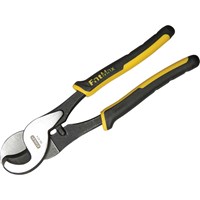
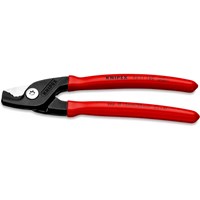
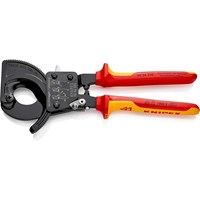
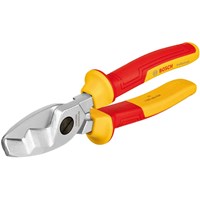
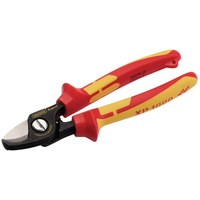
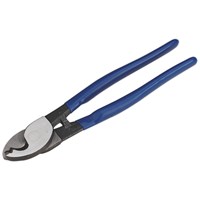
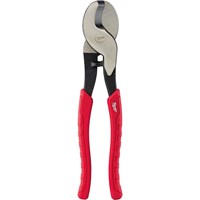
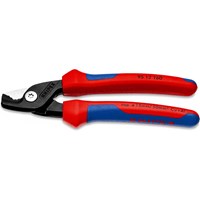
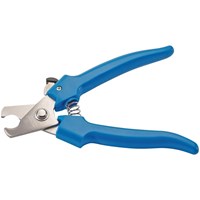
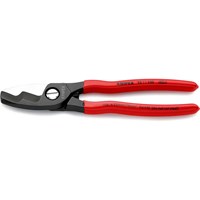
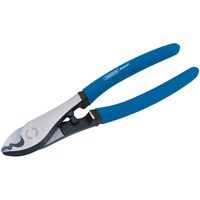
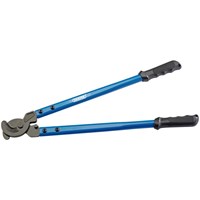
Cable cutters are precision hand tools engineered to deliver clean, square cuts through electrical cables, wires and flexible conductors without crushing or deforming the cable structure. Unlike general-purpose pliers or side cutters, these specialised tools feature precision-ground blades and robust mechanisms that slice through copper, aluminium and multi-core cables with minimal effort, ensuring burr-free cuts essential for proper terminations and connections. MyToolShed.co.uk stocks a comprehensive range from compact electronic cable cutters for fine telecommunications work to heavy-duty ratchet action models capable of cutting through armoured cables up to 50mm in diameter.
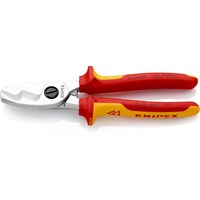
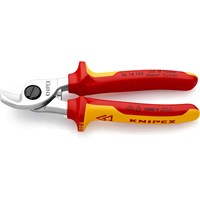
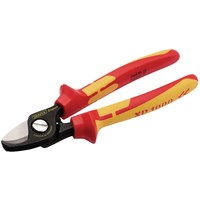
Our selection includes cable cutters from industry-leading manufacturers such as Knipex, Draper, Bahco, Milwaukee and Bosch Professional, offering both standard and VDE-insulated options for live working applications. Available configurations include side-cutting designs, shear-type cutters and ratcheting models that multiply cutting force. VDE-insulated versions are individually tested to 10,000V and approved for working on live circuits up to 1,000V AC, making them essential safety equipment for qualified electricians working to BS 7671 wiring regulations on 240v installations.
Applications
- Electricians and Electrical Contractors: Cutting power cables during installations, consumer unit upgrades and 240v domestic rewiring work
- Industrial Electricians: Maintaining three-phase power systems, motor circuits and control panel wiring in manufacturing facilities
- Telecommunications Engineers: Installing and maintaining telephone systems, data networks and structured cabling infrastructure
- Electronics Technicians: Working with fine-gauge wires, component leads and circuit board assembly requiring flush cuts
- Solar Panel Installers: Cutting DC cables and photovoltaic system wiring for renewable energy installations
- Automotive Electricians: Cutting automotive wiring looms and replacing electrical components in vehicles
- Maintenance Engineers: Cable repairs and modifications across facilities management and building services
- DIY Enthusiasts: Home electrical projects, garden lighting installations and workshop wiring tasks
Choosing The Right Cable Cutters
Cutting Capacity: Determine the maximum cable diameter you'll typically encounter. Compact cutters handle cables up to 10mm, mid-range models cut up to 25mm, whilst heavy-duty ratchet cutters manage cables exceeding 50mm. Always verify whether capacity specifications refer to copper or aluminium conductors, as ratings differ between materials.
VDE Insulation Requirements: Qualified electricians working on live circuits require VDE-insulated cable cutters for compliance with HSE guidance and BS 7671. MyToolShed.co.uk stocks tools individually tested to 10,000V and clearly marked with voltage ratings. DIY users working on properly isolated circuits may opt for standard non-insulated models.
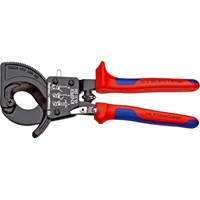
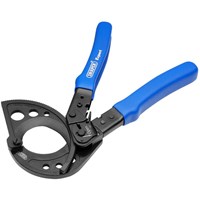
Cutting Mechanism: Standard cable cutters require one firm squeeze, whilst ratchet action models allow staged cutting—ideal for thick cables or extended use where hand fatigue becomes problematic. Electronic flush-cut models offer precision for delicate telecommunications and circuit board work.
Build Quality: Professional-grade cutters from Knipex, Bahco and Draper Expert feature precision-ground blades, drop-forged construction and replaceable cutting heads. Quality tools maintain their edge longer and provide consistently clean cuts throughout their working life, representing sound investment for tradespeople.
Safety Information
Live Working: Only qualified and competent electricians should work on or near live electrical circuits. When live working proves unavoidable, always use VDE-insulated cable cutters tested to the appropriate voltage rating, wear suitable PPE including insulated gloves, and follow safe systems of work in accordance with HSE guidance.
Isolation and Testing: Always isolate circuits at the consumer unit before cutting cables. Use a proper voltage tester to verify circuits are dead—never assume isolation without testing. This represents the safest working practice for all electrical work.
Tool Maintenance: Regularly inspect cable cutters for damaged insulation, worn blades and loose joints. VDE insulation that's cracked or deteriorated compromises safety and tools should be withdrawn from service immediately. Never exceed the manufacturer's stated cutting capacity, as this can damage tools and create hazardous situations.
Frequently Asked Questions
What's the difference between cable cutters and side cutters?
Cable cutters feature specially designed blades and mechanisms for cutting through thick electrical cables cleanly without crushing conductors. Side cutters are lighter-duty tools designed for wire and small cable work. Cable cutters provide square, clean cuts essential for proper cable terminations, whilst side cutters may pinch or deform larger cables.
Do I need VDE-insulated cable cutters for domestic electrical work?
If you're a qualified electrician with any possibility of working on or near live circuits, VDE-insulated tools are essential for safety and professional compliance. For DIY work where circuits are isolated at the consumer unit and verified dead, standard cable cutters are acceptable, though many professionals prefer VDE tools as standard practice for the additional safety margin.
What size cable cutters do I need for standard UK domestic installations?
For typical UK domestic installations using 1.5mm² to 10mm² cables, cable cutters with approximately 15-20mm diameter capacity will handle most situations including twin and earth, three-core and earth, and single core cables. Electricians working on commercial installations with larger distribution cables should consider ratchet action models with 25mm+ capacity.