

Bulb Planters & Dibbers
Pay in 3 interest-free payments on purchases from £30-2000 with  . Learn more.
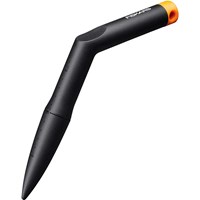
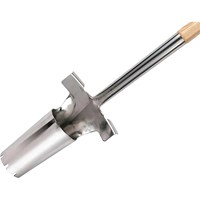
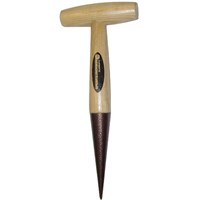
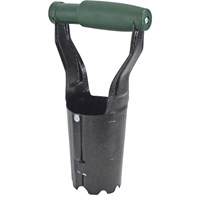
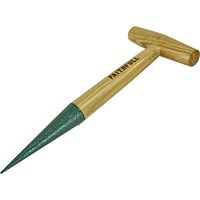
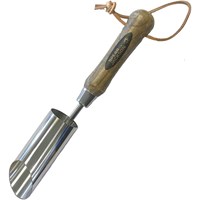
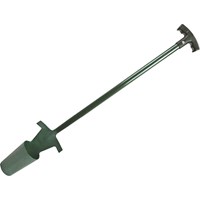
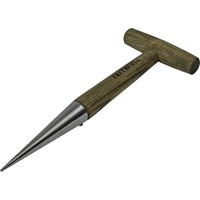
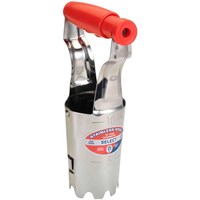
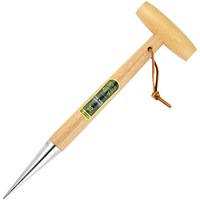
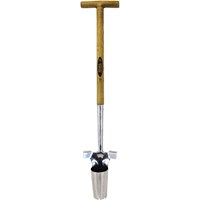
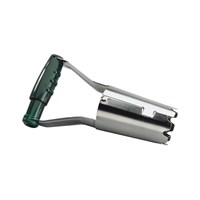
 Loading...
End of content
Error - No more pages to load
About Bulb Planters & Dibbers
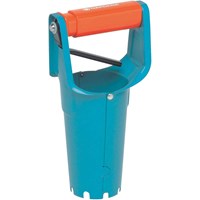
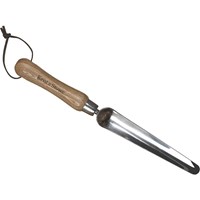
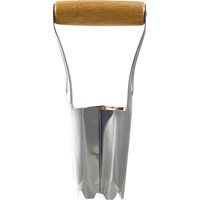
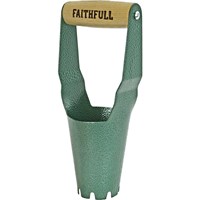
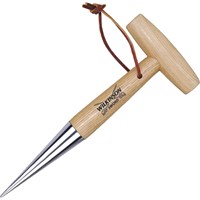
Bulb planters and dibbers are specialised gardening tools designed to create precise planting holes for bulbs, seedlings, and young plants. Whether you're a professional landscaper establishing extensive seasonal displays or a keen gardener planting spring bulbs at home, these tools eliminate guesswork and reduce physical strain. MyToolShed.co.uk stocks a comprehensive range from trusted brands including Faithfull, Spear and Jackson, Kent and Stowe, and Draper, offering both hand-held and long-handled versions to suit different working preferences and project scales.
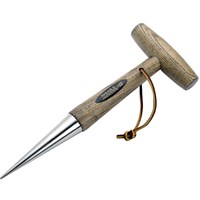
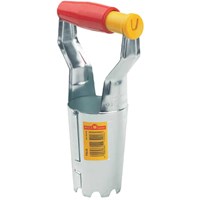
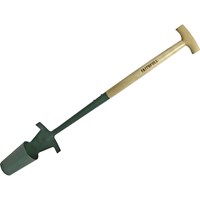
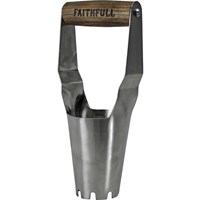
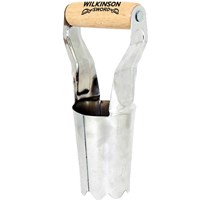
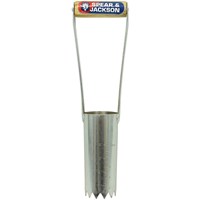
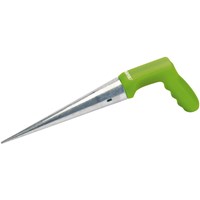
Traditional dibbers create pointed holes ideal for seeds and transplants, whilst cylindrical bulb planters remove soil cores to provide flat-bottomed holes perfect for larger bulbs like daffodils and tulips. Available in stainless steel for superior corrosion resistance or carbon steel for durability at a lower price point, modern designs incorporate depth markers, automatic release mechanisms, and ergonomic grips. From basic hand tools for border work to long-handled models that allow standing operation, MyToolShed.co.uk offers solutions for every planting requirement and budget.
Applications
- Professional landscapers: Creating seasonal displays in commercial and residential gardens
- Groundskeepers and estate managers: Maintaining extensive ornamental gardens and public spaces
- Horticultural contractors: Large-scale bulb planting for councils and landscape projects
- Garden designers: Implementing precise planting schemes with uniform spacing
- Nursery workers: Transplanting seedlings and propagating young plants
- Allotment holders: Planting vegetable sets, onions, and establishing productive plots
- Home gardeners and DIY enthusiasts: Creating spring bulb displays and maintaining flower beds
- Garden centres: Demonstrating proper planting techniques to customers
Choosing The Right Bulb Planters & Dibbers
Handle length: Hand-held bulb planters offer excellent control for borders and containers, whilst long-handled versions with T-grips allow standing operation, reducing back strain during extensive planting projects. Consider your physical comfort and the scale of work when selecting.
Material construction: Stainless steel tools provide superior rust resistance and longer-lasting sharpness, ideal for regular professional use. Carbon steel options offer durability at lower cost but require more maintenance. Look for forged construction rather than pressed metal for tools that withstand heavy use.
Soil release mechanism: Automatic release bulb planters feature spring-loaded or trigger mechanisms that eject soil cores instantly, dramatically speeding up large planting sessions. Manual planters are simpler and more affordable but require hand removal of soil.
Diameter and depth capacity: Standard planters accommodate common bulbs like tulips and daffodils, whilst larger diameter models suit substantial bulbs such as alliums. Check depth markers ensure the tool reaches required planting depths, typically 10-15cm for most spring bulbs.
Ergonomics: Rubber or cushioned grips reduce hand fatigue during extended use and provide better purchase in wet conditions. For long-handled tools, the T-handle or D-handle shape affects leverage and comfort when applying foot pressure in harder soils.
Frequently Asked Questions
What's the difference between a bulb planter and a dibber?
A bulb planter removes a cylindrical soil core, creating flat-bottomed holes perfect for larger bulbs to sit on without air pockets. Dibbers create pointed holes better suited for seeds, seedlings, and smaller bulbs. Bulb planters excel with daffodils and tulips, whilst dibbers are ideal for transplanting work and vegetable sets like onions and shallots.
Can I use bulb planters in heavy clay soil?
Yes, but choose robust models with serrated edges and strong construction. Long-handled bulb planters provide better leverage through foot pressure and body weight. Stainless steel or forged carbon steel versions cope better with compacted ground than lightweight pressed metal alternatives. Watering the area beforehand or working after rain helps soften difficult clay soils.
How do I maintain my bulb planter or dibber?
Clean soil off after each use with a stiff brush and wipe metal parts with an oily rag to prevent rust, especially important for carbon steel tools. Whilst stainless steel models resist corrosion better, they still benefit from regular cleaning. Treat wooden handles with linseed oil annually to prevent cracking, and store tools in dry conditions between seasons.