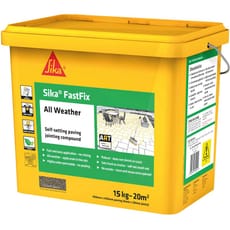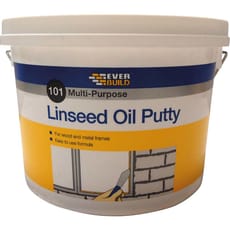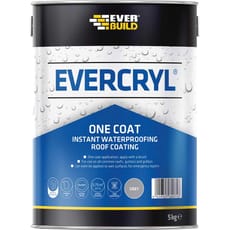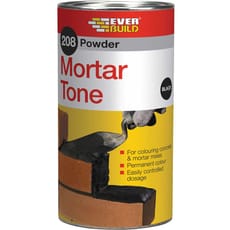
Building Materials & Chemicals
Pay in 3 interest-free payments on purchases from £30-2000 with
. Learn more.
Loading...
End of content
Error - No more pages to load
About Building Materials & Chemicals

Building materials and chemicals form the essential foundation of construction, renovation, and repair projects across the UK. From major structural work to finishing touches, these versatile products are indispensable for creating strong, weather-resistant, and long-lasting builds. Whether you're laying bricks, rendering walls, fixing tiles, or waterproofing foundations, having the right materials and chemicals ensures professional results that stand the test of time.
Our comprehensive range includes cement for structural strength, mortar for bonding brickwork and blockwork, plaster for smooth wall finishes, grout for tiling applications, and specialist waterproofing chemicals that protect against damp and moisture ingress. We also stock jointing compounds for seamless connections and putty and glazing compounds for window installation and repairs. Each product category serves specific purposes within the building process, and understanding which material suits your project requirements is crucial for achieving quality, durable results.
Modern building chemicals have evolved significantly, with many formulations now offering rapid-setting properties, enhanced flexibility, improved adhesion, and reduced environmental impact. Whether you're working on new builds, restoration projects, or routine maintenance, our selection of building materials and chemicals provides reliable solutions for tradespeople and serious DIY enthusiasts throughout the United Kingdom.
Jargon Buster
- Cementitious
- Products containing cement as a primary binding agent, which hardens when mixed with water through a chemical process called hydration. Common in renders, screeds, and repair mortars.
- Polymer-Modified
- Materials enhanced with synthetic polymers to improve flexibility, adhesion, and water resistance. These additives make traditional cement-based products more versatile and durable.
- DPM (Damp Proof Membrane)
- A waterproof barrier applied to floors, walls, or foundations to prevent moisture penetration. Essential for complying with UK building regulations regarding damp prevention.
- Efflorescence
- White, crystalline salt deposits that appear on masonry surfaces when water-soluble salts migrate to the surface and evaporate. Often indicates moisture issues requiring waterproofing solutions.
- Pot Life
- The working time available after mixing a material before it begins to set and becomes unworkable. Critical for planning application sequences on site.
- Render
- A cement-based coating applied to external walls for weatherproofing and aesthetic finish. Available in various grades and can be textured, smooth, or coloured.
Who Uses Building Materials & Chemicals?
Building materials and chemicals are essential for a wide range of construction professionals and skilled trades:
- Bricklayers and Blocklayers – for mortar, cement, and jointing applications in masonry construction
- Plasterers and Rendering Specialists – for plaster, render, and finishing compounds on walls and ceilings
- Tilers – for adhesives, grout, and waterproofing membranes in bathroom and kitchen installations
- Groundworkers and Foundation Contractors – for concrete, cement, and structural waterproofing systems
- General Builders and Main Contractors – for comprehensive building and renovation projects requiring multiple materials
- Glaziers – for putty and glazing compounds in window installation and repairs
- Property Maintenance Professionals – for repairs, damp-proofing, and restoration work
- DIY Enthusiasts and Self-Builders – for home improvement, extension, and renovation projects
- Restoration Specialists – for heritage work requiring lime-based and specialist traditional materials
How to Choose the Right Building Materials & Chemicals
Selecting appropriate building materials and chemicals requires careful consideration of several important factors:
Application Type: Different projects demand specific formulations. Internal plastering requires different products than external rendering, whilst below-ground waterproofing needs tanking-grade chemicals. Always match the product specification to your intended use and location.
Setting Time: Consider whether you need rapid-setting formulations for quick turnaround work or standard-setting products that allow longer working times. Weather conditions significantly affect setting times, particularly in cold or hot conditions common across UK seasons.
Environmental Conditions: External applications require frost-resistant, weatherproof formulations, whilst areas subject to constant moisture (such as wet rooms or basements) need specialist waterproofing products. Consider exposure to chemicals, salts, or aggressive ground conditions.
Substrate Compatibility: Ensure your chosen material is compatible with the surface you're working on. Some products bond poorly to certain substrates or require primer applications. Check manufacturer guidelines for compatibility with existing materials.
Coverage and Yield: Calculate quantities accurately based on coverage rates per kilogram or litre. Factor in surface porosity, application thickness, and wastage. Buying sufficient material in one batch ensures colour and consistency matching.

British Standards Compliance: Verify products meet relevant BS EN standards and UK building regulations, particularly for structural applications, fire resistance, and damp-proofing. This ensures quality, safety, and insurance compliance.
Mixing Requirements: Some products arrive ready-mixed whilst others require on-site preparation. Consider equipment availability, mixing ratios, and the practicality of batch mixing for your project scale.
Popular Accessories
Maximise efficiency and achieve professional results with these complementary products:
- Mixing Equipment – paddle mixers, forced-action mixers, and drill-mounted stirrers for thorough, lump-free mixing
- Application Tools – trowels, floats, hawks, rendering machines, and pointing tools for precise material placement
- Measuring and Levelling Tools – spirit levels, laser levels, and measuring tapes ensuring accurate application
- Buckets and Mixing Vessels – heavy-duty containers rated for cementitious materials
- Protective Sheeting – dust sheets and polythene for protecting surrounding areas during application
- Cleaning Equipment – brushes, sponges, and cleaning agents for tool maintenance and surface preparation
- Safety Equipment – gloves, goggles, dust masks, and knee pads for personal protection
- Moisture Meters – for checking substrate dryness before material application
- Jointing Tools – for professional finishing of mortar joints and grout lines
Safety Information
Building materials and chemicals require careful handling to prevent health hazards and ensure safe working conditions:
Personal Protective Equipment (PPE): Always wear appropriate protection including safety goggles or face shields to prevent eye contact with wet materials, waterproof gloves to protect against skin irritation from alkaline products, and respiratory protection when working with dusty materials. Many cement-based products are highly alkaline and can cause chemical burns if left in contact with skin.
COSHH Compliance: Familiarise yourself with Control of Substances Hazardous to Health regulations. Obtain and read Safety Data Sheets (SDS) for all chemical products before use. Many building chemicals contain substances requiring specific handling, storage, and disposal procedures.
Dust Control: Cement and plaster dust can cause serious respiratory problems with prolonged exposure. Use dust suppression techniques, work in well-ventilated areas, and wear appropriate respiratory protective equipment (RPE) rated for fine dust particles. Consider HSE guidance on respirable crystalline silica (RCS) exposure.
Manual Handling: Building materials often come in heavy bags (typically 25kg). Follow proper lifting techniques, use mechanical handling aids where possible, and consider splitting bags into smaller quantities to reduce injury risk from repetitive manual handling.
Storage: Store materials in dry, well-ventilated areas away from sources of moisture. Keep chemicals in original packaging with labels intact. Separate incompatible materials and ensure secure storage away from children and animals.
First Aid: In case of skin contact, wash immediately with plenty of clean water. For eye contact, irrigate continuously for at least 15 minutes and seek medical attention. If swallowed, do not induce vomiting – seek immediate medical help.
Frequently Asked Questions
What's the difference between cement and mortar?
Cement is a binding powder that, when mixed with water, creates a paste that hardens over time. Mortar is a mixture of cement, sand, and water (and sometimes lime) used to bond bricks, blocks, or stones together. Think of cement as an ingredient within mortar. You wouldn't use pure cement for bricklaying – you need the sand content in mortar to provide workability, flexibility, and appropriate bonding characteristics.
How long do building materials last once opened?
Unopened bags of cement, mortar, and plaster typically last 6-12 months if stored correctly in dry conditions. Once opened, moisture exposure significantly reduces shelf life – use within weeks if possible. Bags that have gone hard or lumpy should be discarded as they won't perform properly. Pre-mixed products in tubs generally last longer once opened (check manufacturer guidance), but always reseal containers properly and check for separation or skinning before use.
Can I use building materials in freezing conditions?
Most cement-based materials shouldn't be applied when temperatures drop below 3-5°C or when frost is forecast within 48 hours of application. Cold temperatures slow the chemical curing process, and freezing can cause ice crystals to form, which damages the material structure and prevents proper strength development. If winter working is unavoidable, use rapid-setting formulations designed for cold weather, provide protective coverings, or consider temporary heating. Never apply materials to frozen substrates.
Do I need different products for internal and external use?
Yes, absolutely. External-grade products contain additives that provide weather resistance, frost protection, and flexibility to cope with thermal movement and moisture exposure. Internal products are formulated for controlled environments and generally won't withstand external conditions. Using internal materials externally will result in premature failure, cracking, and weather damage. Always check product specifications and select materials appropriate for exposure conditions.
How do I calculate how much material I need?
Check the manufacturer's technical data sheet for coverage rates, typically expressed as square metres per kilogram or per bag at a specified thickness. Measure your working area accurately, multiply by the application thickness, and factor in approximately 10% wastage for cuts, mixing losses, and surface irregularities. For complex calculations or large projects, many manufacturers provide online calculators or technical support services. It's generally better to slightly over-order than run short mid-project, especially for colour-matched materials.