

Breakers
Pay in 3 interest-free payments on purchases from £30-2000 with  . Learn more.
 Loading...
End of content
Error - No more pages to load
About Breakers
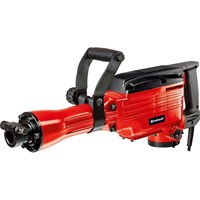
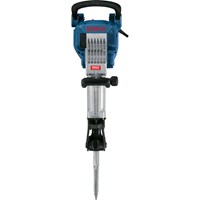
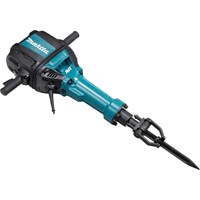
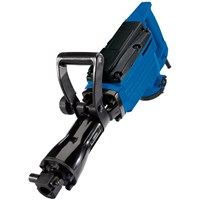
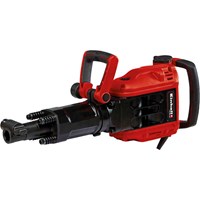
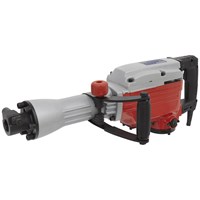
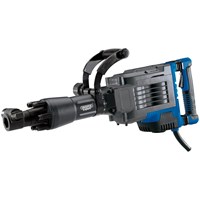
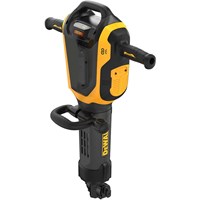
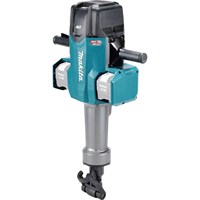
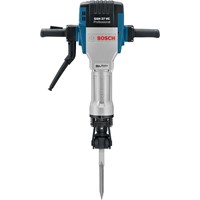
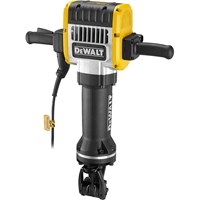
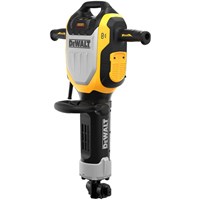
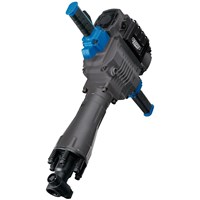
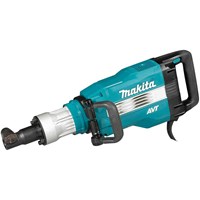
Breakers, also known as demolition hammers or jackhammers, are heavy-duty power tools designed exclusively for breaking up concrete, asphalt, stone, and masonry at ground level. Unlike combi hammers or rotary hammer drills, breakers are purpose-built for demolition work only and operate solely with chisel attachments. Available in both corded electric and cordless battery-powered formats, these machines deliver tremendous impact energy—typically between 30J and 70J+—to make short work of the toughest materials. MyToolShed.co.uk stocks professional-grade breakers from leading manufacturers including Bosch Professional, DeWalt, Makita, and Einhell, alongside value options from Draper and Sealey.
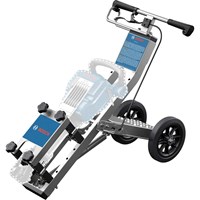
Modern electric breakers typically operate on 240v mains power with outputs ranging from 1500W to over 2100W, whilst cordless models utilise high-capacity 40v-54v battery systems for maximum portability. Professional features include advanced Anti-Vibration Technology (AVT) to reduce operator fatigue and comply with HSE Hand-Arm Vibration Syndrome (HAVS) regulations, brushless motors for enhanced durability, and compatibility with wheeled trolley systems for horizontal floor removal work. Most breakers accept SDS-Hex or standard hexagonal shank chisels in 17mm, 19mm, or 28mm diameters.
Applications
Breakers are essential tools for demolition and groundwork across numerous trades and industries:
- Groundwork Contractors: Breaking up concrete foundations, removing old bases, and site preparation work
- Demolition Specialists: Systematic dismantling of concrete structures, walls, and reinforced flooring
- Civil Engineering: Road repairs, pavement removal, and infrastructure maintenance projects
- General Builders: Renovation work requiring removal of concrete floors, hearths, and structural elements
- Landscaping Professionals: Removing concrete patios, breaking up pathways, and site levelling
- Plant Hire Companies: Providing demolition equipment for short-term specialist applications
- Utility Contractors: Access work for underground services through concrete and asphalt surfaces
- Serious DIY Enthusiasts: Major home renovations, driveway removal, and extensive garden projects
Choosing The Right Breakers
Impact Energy: Match the joule rating to your materials—30-40J handles domestic paving and light concrete, whilst 50J+ tackles reinforced concrete and heavy-duty commercial applications. Higher impact energy means heavier tools, so balance power against operator comfort.
Power Source: Corded 240v electric breakers provide unlimited runtime for sustained demolition with consistent power output, ideal when mains electricity is available. Cordless 40v-54v models from DeWalt and Makita offer excellent portability for remote sites but suit intermittent use rather than all-day operation.
Vibration Control: Critical for professional compliance with HSE HAVS regulations. MyToolShed.co.uk recommends models featuring advanced anti-vibration systems, particularly for regular use. Check manufacturer specifications for vibration levels (m/s²)—lower figures reduce operator fatigue and health risks.
Weight and Ergonomics: Breakers typically weigh 10-30kg. Consider trolley compatibility for floor work, which significantly reduces physical strain during horizontal demolition tasks. Brands like Bosch offer dedicated floor removal trolleys for their professional models.
Chisel Compatibility: Verify which hex shank system your chosen breaker uses (typically 17mm, 19mm, or 28mm) and ensure compatible point, flat, and spade chisels are readily available.
Safety Information
Always wear appropriate PPE including steel toe-capped boots, impact-rated eye protection, hearing defenders (25dB+ reduction), and FFP3-rated respiratory protection when breaking concrete due to harmful silica dust under COSHH regulations. Anti-vibration gloves provide additional HAVS protection.
When using corded breakers outdoors, always connect to an RCD-protected socket rated to 30mA. Never operate electrical tools in wet conditions. Check for hidden services—electrical cables, gas pipes, water mains—before starting demolition work using a cable detector. Monitor daily vibration exposure times according to HSE limits and take regular breaks.
Frequently Asked Questions
What's the difference between a breaker and a demolition hammer?
These terms are largely interchangeable, though "breaker" traditionally refers to larger tools for ground-level work, whilst "demolition hammer" can include lighter models. Both are chisel-only tools without drilling capability, distinguishing them from combi hammers with multiple modes.
Can I use SDS-Max chisels in a breaker?
No—breakers use hexagonal (SDS-Hex) shank chisels, completely different from SDS-Max or SDS-Plus systems found in rotary hammers. Always verify your tool's specification and use only compatible hex shank accessories in the correct diameter.
Do I need a cordless or corded breaker?
Corded 240v models provide unlimited runtime and consistent power for extensive demolition with mains access. Cordless breakers offer superior portability for remote sites and eliminate trailing cable trip hazards, but cost significantly more and suit intermittent rather than continuous all-day use.