
Air Tools

Pay in 3 interest-free payments on purchases from £20-£3000 with  . Learn more.
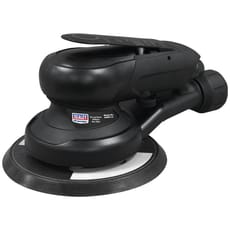
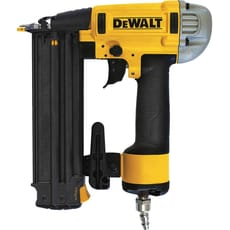
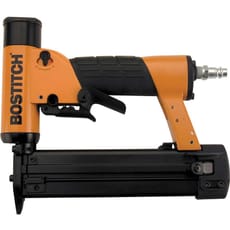
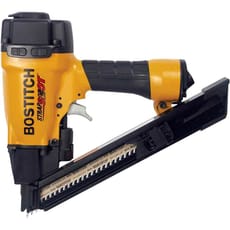
 Loading...
End of content
Error - No more pages to load
About Air Tools
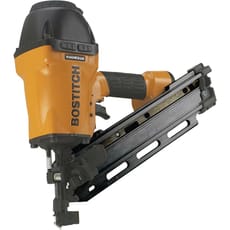
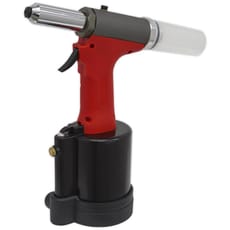
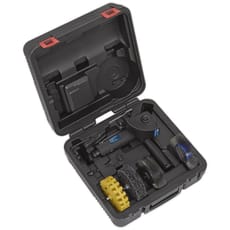
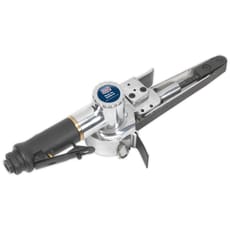
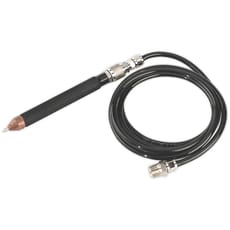
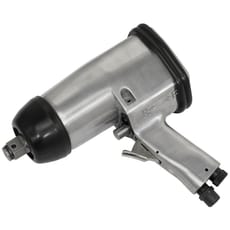
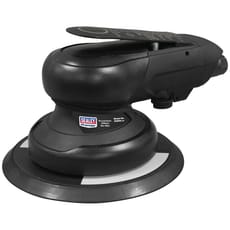
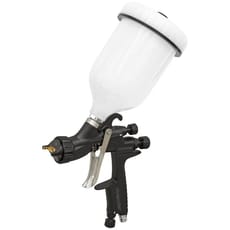
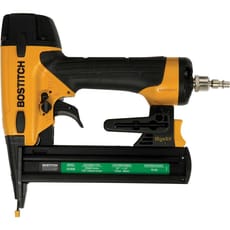
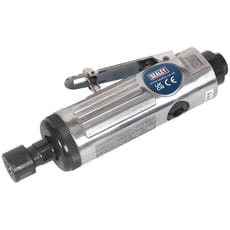
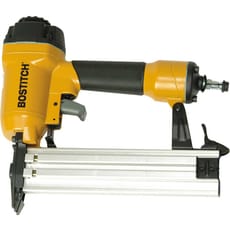
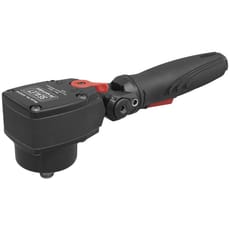
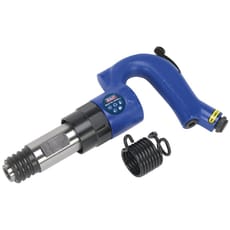
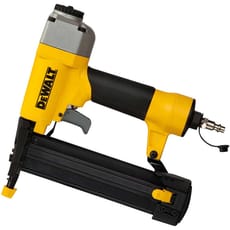
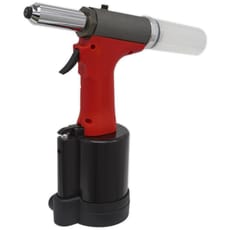
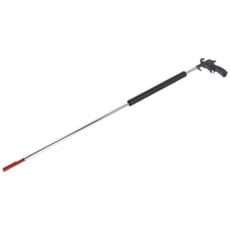
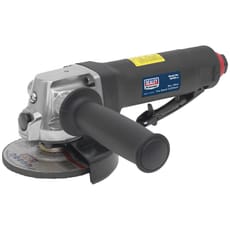
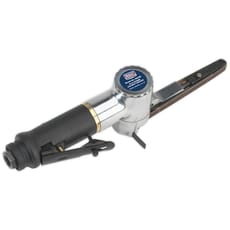
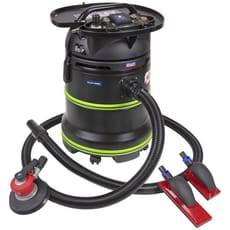
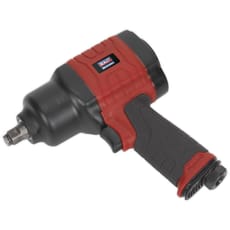
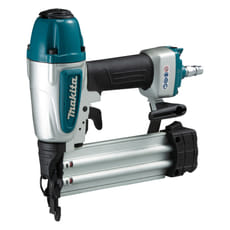
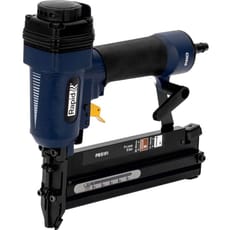
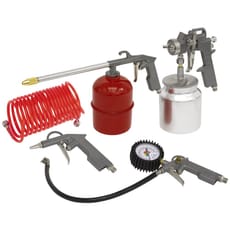
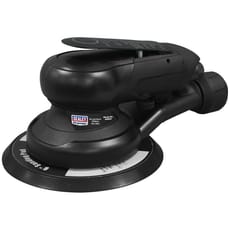
Air tools, also known as pneumatic tools, are power tools driven by compressed air supplied by an air compressor. MyToolShed.co.uk stocks a comprehensive range of pneumatic equipment including air impact wrenches, air sanders, air nail guns, air grinders, air drills, and specialist tools like air engravers and air nibblers. Offering exceptional power-to-weight ratios and proven reliability, air tools have been the backbone of professional workshops, garages, and construction sites across the UK for decades. Their simple yet robust construction means fewer moving parts than electric alternatives, resulting in reduced maintenance requirements and the ability to withstand harsh working conditions whilst delivering consistent performance.
The key advantage of pneumatic tools lies in their ability to provide sustained power output without overheating, making them ideal for continuous-use applications in busy production environments. When paired with a quality air compressor and proper airline setup with filter, regulator, and lubricator units, air tools offer professional tradespeople a cost-effective solution that can outlast multiple generations of electric tools. MyToolShed.co.uk's air tools category encompasses everything from heavy-duty automotive equipment to delicate finishing tools for precision work.
Applications
Air tools are essential equipment across numerous trades and industries throughout the UK:
- Motor Mechanics and Auto Technicians: Impact wrenches, air ratchets, and die grinders for vehicle maintenance and repair
- Body Shop Professionals: Air sanders, spray guns, and panel tools for automotive refinishing
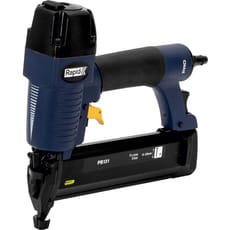
- Carpenters and Joiners: Air nail guns and staplers for fast, efficient fixing on site and in workshops
- Metal Fabricators: Air grinders, nibblers, and punches for precise metalworking applications
- Construction Workers: Pneumatic nailers, hammers, and inflators for general site work
- Cabinet Makers: Brad nailers and pin guns for delicate assembly work
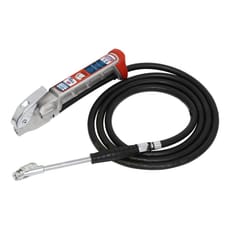
- Tyre Fitters: Impact wrenches and air inflators for wheel removal and tyre inflation
- Maintenance Teams: Heavy-duty impact tools and grease guns for industrial equipment servicing
Choosing The Right Air Tools
Assess Your Air Compressor Capacity: Before purchasing any air tool from MyToolShed.co.uk, verify your compressor's CFM (cubic feet per minute) output and tank capacity. Each pneumatic tool has specific air consumption requirements—most professional air tools require between 4-10 CFM at 90 PSI. Your compressor must deliver sufficient volume to maintain operating pressure, as undersized compressors lead to pressure drops and poor performance.
Match Tool Specifications to Applications: Consider the specific tasks you'll perform. Impact wrenches come in various drive sizes (1/4", 3/8", 1/2", 3/4", 1") with different torque outputs. Sanders are available in orbital, random orbital, and belt configurations. Select tools engineered for your particular requirements rather than general-purpose alternatives.
Consider Build Quality and Frequency of Use: Professional-grade air tools feature superior construction and enhanced durability for daily workshop use. If you're running a busy garage or fabrication shop, invest in quality brands known for reliability. For occasional DIY use, mid-range options offer excellent value without compromising safety.
Plan Your Airline Infrastructure: Consider hose diameter (typically 8mm or 10mm internal diameter) and length. Longer hoses and smaller diameters create pressure drops. Ensure your tools' BSP connections (usually 1/4") match your airline setup, and invest in quality quick couplers, FRL units, and air tool oil for optimal performance and longevity.
Safety Information
Personal Protective Equipment: Always wear appropriate safety glasses or face shields when operating air tools, as compressed air and debris pose serious eye injury risks. Use hearing protection with high-noise tools such as air hammers and impact wrenches. Wear suitable gloves and ensure dust masks or respirators are worn when sanding or grinding operations create airborne particles.
Compressed Air Hazards: Never point compressed air at yourself or others—compressed air can penetrate skin and cause serious internal injuries. Always disconnect air supply before changing accessories or performing maintenance. Do not exceed the maximum operating pressure specified by manufacturers, and regularly inspect air tools and hoses for damage, wear, or leaks.
Frequently Asked Questions
What size air compressor do I need for air tools?
The compressor size depends on your tools' CFM requirements and usage patterns. For occasional DIY use with brad nailers or inflators, a 25-50 litre compressor delivering 6-8 CFM is adequate. Professional mechanics using impact wrenches continuously should consider 100+ litre compressors with 12-15 CFM output. Always total the CFM requirements of tools you'll run simultaneously and add 30% headroom for optimal performance.
How often should I lubricate my air tools?
Add several drops of air tool oil into the air inlet before each use, or install an inline lubricator for automatic lubrication. For daily professional use, lubricate at the start of each work session. Tools used intermittently should be lubricated before each use and before storage. Proper lubrication prevents internal corrosion, reduces wear, and maintains optimal performance.
What pressure should I run my air tools at?
Most air tools operate optimally at 90 PSI (6.2 bar), though specifications vary by tool type and manufacturer. Always consult the tool's manual for recommended operating pressure. Impact wrenches may require 90-120 PSI for maximum torque, whilst delicate air brushes operate at lower pressures around 30-40 PSI. Install adjustable regulators to fine-tune pressure for each application.