

Wrecking Bars
Pay in 3 interest-free payments on purchases from £30-2000 with  . Learn more.
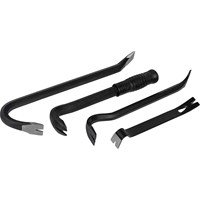
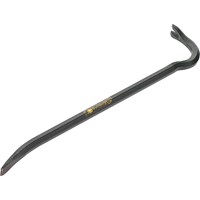
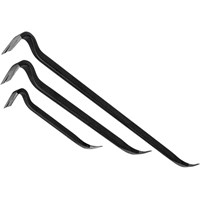
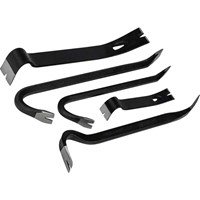
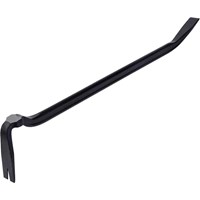
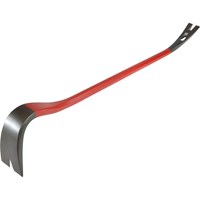
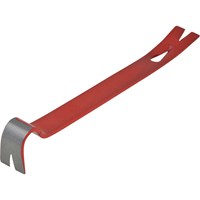
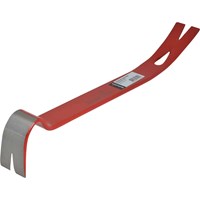
 Loading...
End of content
Error - No more pages to load
About Wrecking Bars
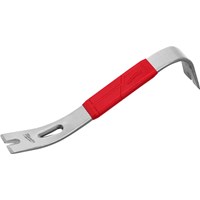
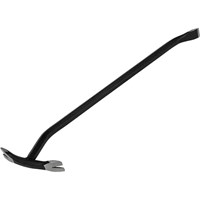
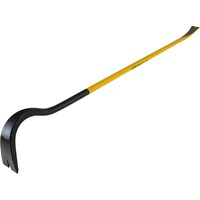
Wrecking bars are essential demolition and prying tools designed for heavy-duty dismantling, extraction, and levering tasks. Also known as pry bars or crowbars, these robust tools feature hardened steel construction with strategically placed fulcrum points and nail pullers for maximum leverage and efficiency. MyToolShed.co.uk stocks a comprehensive range of wrecking bars from trusted brands including Roughneck, Hultafors, DeWalt, and Milwaukee, catering to both professional tradespeople and demanding DIY projects.
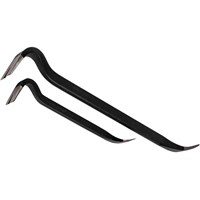
Available in various lengths from compact mini wrecking bars to full-size demolition models, these tools come in multiple configurations including flat wrecking bars, adjustable designs, and complete prying and wrecking bar sets. Whether you need a single heavy-duty wrecking bar for site work or a versatile multi-piece set for your toolbox, MyToolShed offers quality options to suit every application and budget.
Applications
Wrecking bars are invaluable across numerous trades and industries:
- Demolition contractors - stripping out fixtures, removing flooring, and dismantling structures
- Carpenters and joiners - extracting nails, separating timber joints, and removing skirting boards
- Builders and general construction - prying formwork, lifting materials, and site clearance
- Roofers - removing roof tiles, battens, and fascia boards
- Property maintenance professionals - renovation work and fixture removal
- Shopfitters - dismantling existing installations and fittings
- DIY enthusiasts - home improvement projects, decking removal, and garden structure dismantling
Choosing The Right Wrecking Bars
When selecting wrecking bars, consider these important factors:
Length and leverage: Longer bars (600mm-1800mm) provide greater leverage for heavy-duty demolition, whilst shorter bars (250mm-400mm) offer better control in confined spaces and toolbox portability.
Material and construction: Look for drop-forged or heat-treated steel construction for durability. Quality wrecking bars should feature hardened striking caps and claw ends resistant to deformation under heavy use.
Design features: Consider whether you need flat profile bars for accessing tight spaces, curved designs for rolling leverage, or adjustable models offering multiple fulcrum positions. Nail pullers and alignment pins add versatility.
Sets versus individual bars: Multi-piece sets from brands like Roughneck and Draper provide various lengths for different applications, offering excellent value for regular users. Single specialist bars suit specific recurring tasks.
Safety Information
Always wear appropriate PPE including safety glasses, work gloves, and steel toe-capped boots when using wrecking bars. Ensure stable footing and clear working areas of trip hazards. Inspect bars before use for cracks or damage that could cause failure under load. Apply force steadily rather than jerking to maintain control. Be aware of hidden services, structural elements, and potential falling debris when prying or demolishing materials.
Frequently Asked Questions
What's the difference between a wrecking bar and a crowbar?
The terms are often used interchangeably, though wrecking bars typically refer to heavier-duty demolition tools with flat profiles, whilst crowbars traditionally have curved designs. Both serve prying and levering functions with different leverage characteristics.
What length wrecking bar do I need?
For general purpose work, a 600-900mm bar offers versatility. Demolition professionals often use 1200-1800mm bars for maximum leverage, whilst 250-400mm mini bars suit confined spaces and everyday toolbox carry.
Can wrecking bars be used as striking tools?
Quality wrecking bars feature hardened striking caps designed to withstand hammer blows for driving the bar into position. However, they shouldn't replace dedicated hammers or sledgehammers for general striking applications.