
Work Gloves

Pay in 3 interest-free payments on purchases from £20-£3000 with  . Learn more.
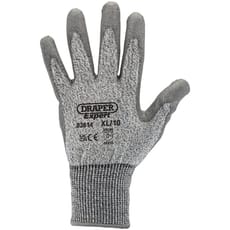
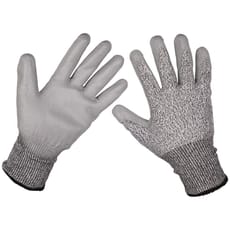
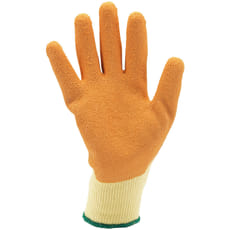
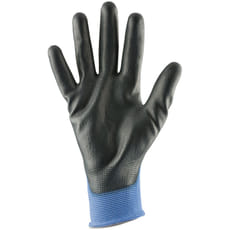

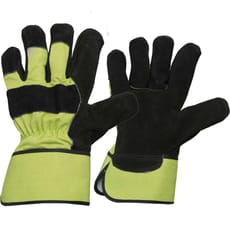
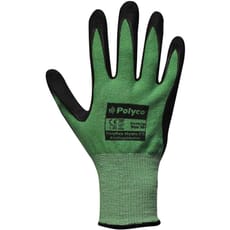
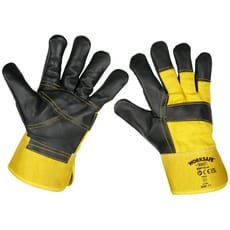
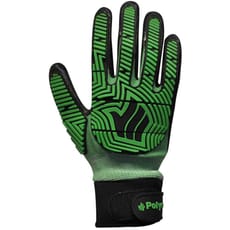
Loading...
End of content
Error - No more pages to load
About Work Gloves
Work gloves are essential personal protective equipment for tradespeople and DIY enthusiasts across all industries. MyToolShed.co.uk stocks a comprehensive range of professional work gloves designed to protect hands from cuts, abrasions, impacts, vibrations, chemicals, and electrical hazards. Our selection includes specialist gloves from trusted brands including DeWalt, Milwaukee, Makita, Polyco, Draper, and Portwest, ensuring you'll find the right hand protection for any task.
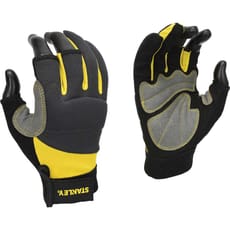
From heavy-duty rigger gloves and cut-resistant gloves to precision touchscreen gloves and electrically insulated safety gloves, the work gloves at MyToolShed cover every application. Whether you need fingerless gloves for enhanced dexterity, gel-padded impact gloves for power tool operation, or latex-coated grip gloves for wet conditions, our range provides professional-grade protection without compromising comfort or control.
Applications
Work gloves are essential across numerous trades and industries:
- Construction and building: General handling, demolition, framing, and heavy lifting
- Electricians: Class 0 insulated gloves for protection against electrical hazards
- Mechanics and engineers: Oil-resistant and impact-protection gloves for automotive work
- Landscaping and gardening: Thorn-resistant and waterproof gloves for outdoor tasks
- Warehouse and logistics: Cut-resistant gloves for handling materials and packaging
- Carpentry and joinery: Precision gloves with grip for tool handling and finishing work
- Plumbing: Waterproof and chemical-resistant gloves for wet environments
- DIY enthusiasts: Multi-purpose protection for home improvement projects
Choosing The Right Work Gloves
Selecting appropriate work gloves depends on several key factors:
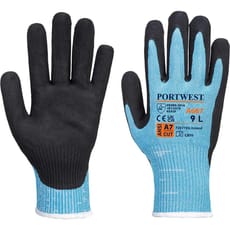
Hazard protection: Identify the primary risks—cuts, impacts, chemicals, vibration, or electrical hazards. Cut-resistant gloves are rated from Level 1 to Level 5, with Level 5 offering maximum protection. Electrically insulated gloves must meet Class 0 standards or higher for electrical work.
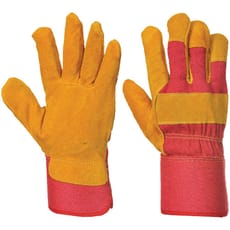
Material and coating: Leather palms provide excellent durability and grip, whilst latex or nitrile coatings offer superior wet-weather performance. Synthetic materials typically provide better flexibility and breathability for extended wear.
Dexterity requirements: Precision tasks require thin, flexible gloves or fingerless designs. Heavy-duty applications suit thicker, padded gloves with reinforced palms and knuckle protection.
Fit and comfort: Properly fitted gloves prevent accidents and reduce hand fatigue. Consider touchscreen-compatible gloves if you need to operate devices whilst working.
Safety Information
Always select work gloves appropriate for the specific hazards present. Electrically insulated gloves must be regularly inspected for damage and tested according to BS EN 60903 standards. Cut-resistant gloves should display their protection level clearly—ensure the rating matches your application requirements. Never use damaged gloves, and replace worn gloves immediately to maintain protection standards. Some tasks, such as operating rotating machinery, may require removing gloves to prevent entanglement hazards.
Frequently Asked Questions
What do cut-resistant glove levels mean?
Cut-resistant gloves are rated from Level 1 (lowest) to Level 5 (highest protection) according to EN 388 standards. Level 1 suits light handling, whilst Level 5 provides protection against sharp blades and metal edges in high-risk environments.
Can I wash work gloves?
Most synthetic and fabric work gloves can be machine washed on a gentle cycle, though leather gloves require specialist cleaning. Always check manufacturer instructions, as washing may affect protective coatings or insulation properties.
How often should I replace work gloves?
Replace work gloves when you notice worn areas, holes, reduced grip, or compromised protection features. Heavy-use environments may require weekly replacement, whilst occasional DIY use may extend glove life to several months with proper care.