

Wood Screws
Pay in 3 interest-free payments on purchases from £30-2000 with  . Learn more.
 Loading...
End of content
Error - No more pages to load
About Wood Screws
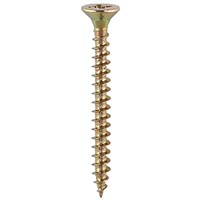
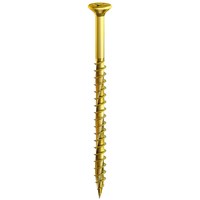
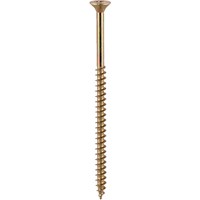
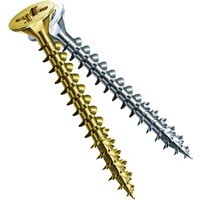
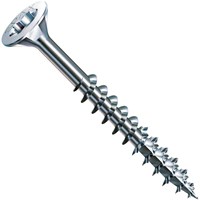
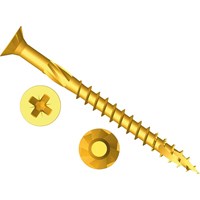
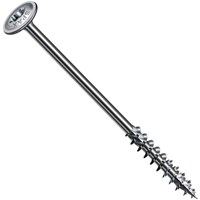
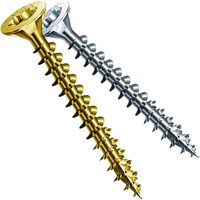
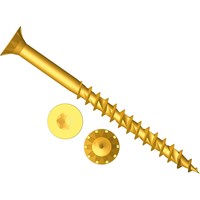
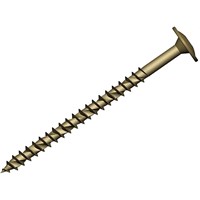
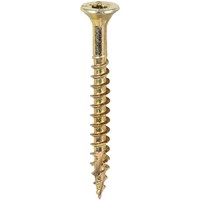
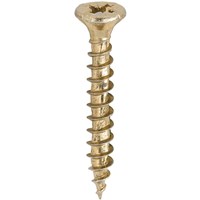
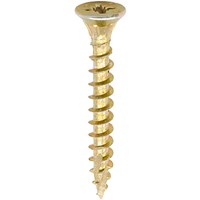
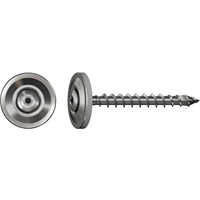
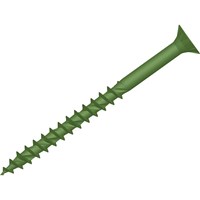
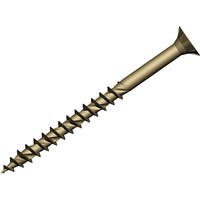
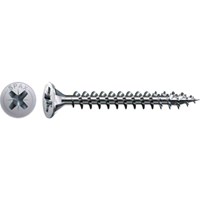
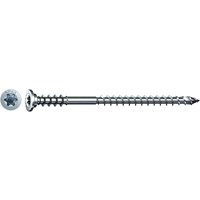
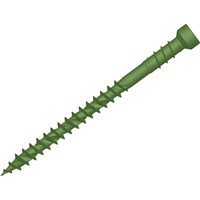
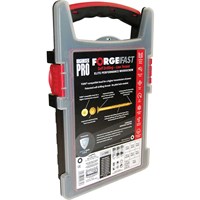
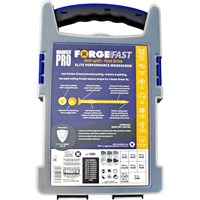
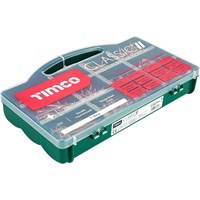
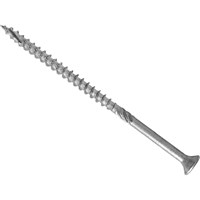
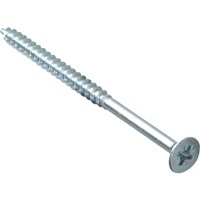
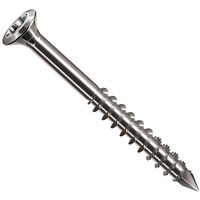
Wood screws are essential fasteners designed specifically for joining timber and wood-based materials. MyToolShed.co.uk stocks a comprehensive range of wood screws from trusted brands including Forgefix, Spax, and Timco, offering everything from standard interior fixings to specialist exterior and decking screws. Available in various head types (countersunk, round, pan), drive styles (Pozi, Torx), and finishes (zinc-plated, stainless steel, green or tan coated), these screws cater to both professional tradespeople and DIY enthusiasts.
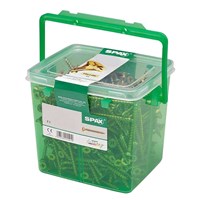
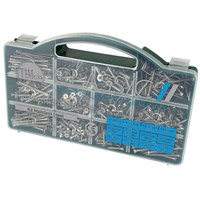
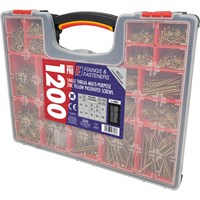
Our selection includes traditional wood screws, self-drilling varieties for faster installation, and specialist options such as MDF screws, chipboard flooring screws, and decking screws. Whether you need a single box for a specific project or a multi-size organiser tray for your workshop, MyToolShed features the right wood screw solution for your carpentry and joinery needs.
Applications
Wood screws are used extensively across numerous trades and applications, including:
- Carpenters and joiners – general timber construction, furniture assembly, and bespoke joinery work
- Decking installers – securing decking boards to joists using specialist coated screws
- Shopfitters and kitchen fitters – cabinet installation, worktop fixing, and internal fitting
- Builders and general contractors – structural timber work, stud walls, and first-fix carpentry
- Flooring specialists – fixing chipboard and MDF flooring to joists
- Exterior cladding and fencing – weather-resistant fixings for outdoor timber structures
- DIY home improvement – shelving, door hanging, and general household repairs
Choosing The Right Wood Screws
Selecting the appropriate wood screw depends on several key factors:
- Material and environment – Use stainless steel or coated screws for exterior applications to prevent corrosion; standard zinc-plated screws suffice for interior work
- Head type – Countersunk heads sit flush with the surface; round heads provide additional holding power for specific applications
- Drive style – Torx heads offer superior torque transfer and reduced cam-out compared to traditional Pozi drives, particularly useful for dense hardwoods
- Length and gauge – Screw length should penetrate at least two-thirds into the receiving timber; gauge (thickness) depends on the load and material density
- Thread type – Coarse threads grip better in softwood; fine threads suit hardwood and manufactured boards like MDF
- Self-drilling features – Self-drilling screws eliminate the need for pilot holes in many applications, saving installation time
Frequently Asked Questions
What's the difference between wood screws and chipboard screws?
Chipboard screws feature a finer thread pattern specifically designed for manufactured boards like MDF, chipboard, and melamine. They typically have a type 17 point for self-drilling. Traditional wood screws have coarser threads better suited to natural timber and provide superior grip in softwoods.
Should I use pilot holes when installing wood screws?
Pilot holes are recommended when working near timber edges to prevent splitting, when using larger gauge screws, or when fixing into hardwoods. Self-drilling wood screws often eliminate the need for pilot holes in softwoods and manufactured boards, though pre-drilling still helps ensure accurate positioning.
Are stainless steel wood screws worth the extra cost?
For exterior applications, stainless steel screws are essential as they resist corrosion from moisture and weathering. While more expensive than zinc-plated or coated alternatives, they provide superior longevity for decking, cladding, and outdoor timber structures. For interior work, standard screws are typically sufficient.