
Wood Scrapers

Pay in 3 interest-free payments on purchases from £20-£3000 with  . Learn more.
 Loading...
End of content
Error - No more pages to load
About Wood Scrapers
Wood scrapers are essential hand tools for achieving smooth, professional finishes on timber surfaces. Unlike sandpaper which removes material through abrasion, scrapers use a finely honed burr edge to shave ultra-thin shavings from wood, leaving a superior surface ready for finishing. MyToolShed.co.uk stocks a comprehensive range of wood scrapers suitable for fine furniture making, joinery, restoration work, and general woodworking applications.
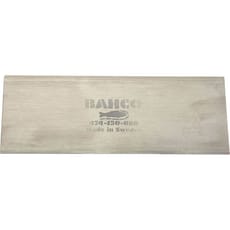
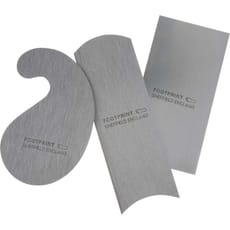
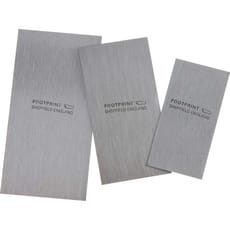
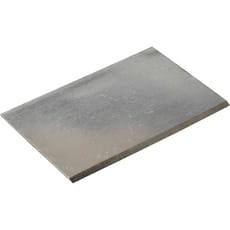
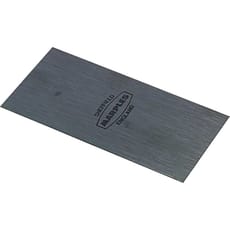
Cabinet scrapers represent the most versatile type within this category, typically consisting of rectangular steel plates that can be sharpened and burnished to create a precise cutting edge. These tools excel at removing glue residue, smoothing difficult grain patterns, and preparing surfaces where sandpaper would cause tear-out. Whether you're a professional cabinetmaker or a dedicated DIY enthusiast, MyToolShed offers quality scrapers that deliver exceptional results on both hardwoods and softwoods.
Applications
Wood scrapers are indispensable tools for:
- Cabinet makers and joiners – creating flawless finishes on fine furniture and bespoke joinery
- Furniture restorers – removing old finishes and preparing antique pieces for refinishing
- Luthiers and instrument makers – achieving precision surfaces on guitars, violins, and other wooden instruments
- Carpenters and chippies – smoothing door frames, window sills, and architectural woodwork
- Woodturners – refining spindle work and removing tool marks
- DIY enthusiasts – preparing timber for staining, varnishing, or oiling
- Boat builders – finishing marine timber and removing epoxy squeeze-out
Choosing The Right Wood Scrapers
When selecting wood scrapers from MyToolShed.co.uk, consider these key factors:
- Steel quality: High-carbon steel holds a burr edge longer and is easier to sharpen than softer alternatives
- Thickness: Cabinet scrapers typically range from 0.6mm to 1mm thick; thicker scrapers provide more rigidity for heavy work, whilst thinner ones offer greater flexibility for curved surfaces
- Size and shape: Rectangular scrapers suit flat surfaces, whilst curved or gooseneck patterns work better for mouldings and contoured work
- Handle options: Handheld scrapers offer maximum control, whilst handled versions reduce hand fatigue during extended use
- Intended use: Fine furniture work demands precision scrapers with smooth edges, whereas general carpentry may benefit from more robust options
Frequently Asked Questions
How do I sharpen a cabinet scraper?
Sharpen cabinet scrapers by first filing or honing the edge square at 90 degrees, then using a burnisher to turn a fine burr along the edge. This burr creates the cutting action. With practice, you can re-burnish the edge several times before needing to re-square it.
Can wood scrapers replace sandpaper?
Wood scrapers often produce superior results to sandpaper, particularly on figured or difficult grain where sanding would cause tear-out. They create no dust, leave cleaner surfaces, and work faster on large flat areas. However, sandpaper remains useful for curved work and final finishing touches.
What woods work best with scrapers?
Scrapers excel on hardwoods like oak, maple, walnut, and mahogany, especially those with interlocking or figured grain. They also work well on softwoods, though the softer nature of pine or cedar requires a lighter touch and freshly sharpened burr for optimal results.