
Wood Paints & Treatments
Pay in 3 interest-free payments on purchases from £30-2000 with  . Learn more.
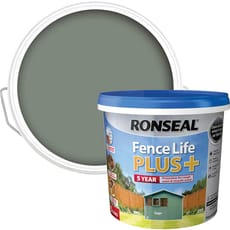
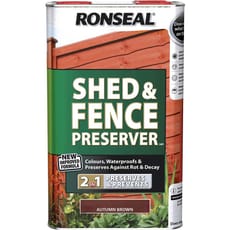
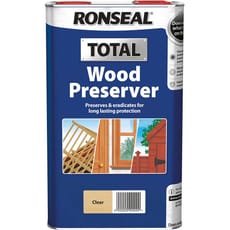
 Loading...
End of content
Error - No more pages to load
About Wood Paints & Treatments
Wood paints and treatments are essential products for protecting and enhancing timber surfaces both indoors and outdoors. From garden fences and sheds to decking and outdoor furniture, these specialist formulations shield wood from moisture, UV damage, rot, and insect infestation whilst maintaining or improving its appearance. MyToolShed.co.uk stocks professional-grade wood preservation solutions from trusted brands like Ronseal, designed to deliver long-lasting protection in the challenging British climate.
Whether you're a professional tradesperson maintaining client properties or a DIY enthusiast refreshing your garden structures, quality wood treatments are vital for extending timber life and reducing maintenance costs. Products range from clear preservers that maintain natural wood tones to pigmented fence paints offering years of weatherproof colour. Advanced formulations now provide enhanced durability, with some treatments offering up to five years of protection between applications.
Applications
Wood paints and treatments are used across numerous trades and applications:
- Landscapers and gardeners – protecting fencing, pergolas, decking, and garden furniture
- Property maintenance professionals – preserving timber on domestic and commercial premises
- Joiners and carpenters – treating new timber installations and bespoke outdoor woodwork
- Painting and decorating contractors – exterior timber maintenance and restoration projects
- DIY enthusiasts – home improvement projects including sheds, summerhouses, and fencing
- Estate management – maintaining wooden structures across larger properties
- Agricultural settings – preserving timber stables, gates, and outbuildings
Choosing The Right Wood Paints & Treatments
Selecting the appropriate wood treatment depends on several key factors:
Application location: Determine whether the timber is rough-sawn or planed, previously treated or bare wood. Some products are specifically formulated for rough-sawn fence panels, while others suit planed or smooth timber surfaces.
Protection duration: Consider how often you're prepared to reapply treatments. MyToolShed.co.uk stocks products ranging from annual preservers to advanced formulations offering five-year protection, reducing maintenance frequency and labour costs.
Finish preference: Choose between clear preservers that showcase natural wood grain, translucent treatments adding subtle colour, or opaque fence paints providing solid colour coverage and maximum UV protection.
Environmental conditions: Assess exposure levels – timber in full sun or persistent damp requires more robust protection than sheltered areas. Look for treatments with fungicide and algaecide properties for damp-prone locations.
Coverage rates: Calculate the area requiring treatment and check manufacturer coverage specifications to determine quantity needed, ensuring cost-effective purchasing for your project.
Frequently Asked Questions
How often should I treat garden fences and sheds?
This depends on the product used and exposure conditions. Basic preservers typically require annual application, whilst advanced formulations like five-year protection treatments significantly extend intervals between maintenance. Always check manufacturer recommendations and inspect timber regularly for signs of weathering.
Can I apply wood treatments in winter?
Most wood treatments should be applied when temperatures exceed 5°C and timber is dry. Avoid application during frost, rain, or when rain is forecast within 24 hours. Spring and summer generally provide optimal conditions for treatment absorption and curing.
Do I need to prepare previously treated wood?
Yes, proper preparation ensures optimal results. Remove loose or flaking material, clean surfaces of dirt and algae, and allow timber to dry thoroughly. Some products can be applied directly over previous treatments from the same range, whilst others may require more extensive preparation.