
Wood Lathes

Pay in 3 interest-free payments on purchases from £20-£3000 with  . Learn more.
 Loading...
End of content
Error - No more pages to load
About Wood Lathes
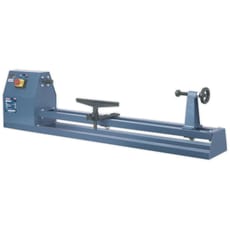
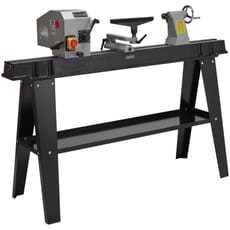
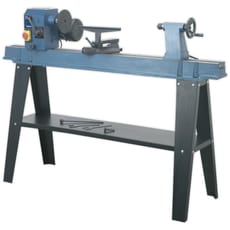
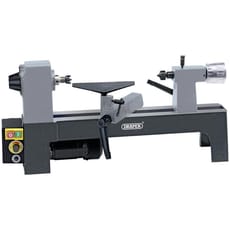
Wood lathes are precision power tools designed for rotating wooden workpieces to create cylindrical, conical, and curved shapes through the art of woodturning. From crafting furniture components like table legs and spindles to producing decorative bowls and artistic pieces, these versatile machines serve both professional woodworkers and DIY enthusiasts. MyToolShed.co.uk stocks trusted brands including Draper, Sealey, and Einhell, offering models ranging from compact mini lathes ideal for pen turning and small projects, through to full-sized digital lathes capable of handling substantial furniture components.
Modern wood lathes feature variable speed control typically ranging from 500-3500 RPM, allowing precise adjustment for different timber types and workpiece diameters. Key specifications include distance between centres (determining maximum workpiece length) and swing over bed (maximum turning diameter). Digital models offer LCD displays for exact RPM monitoring, whilst robust cast iron construction ensures vibration-free operation. Whether you're turning pens, bowls, or chair legs, MyToolShed.co.uk provides options from 330mm mini lathes through to 1100mm capacity machines, suitable for workshops of all sizes and budgets.
Applications
Wood lathes are essential equipment across various trades and applications:
- Professional Furniture Makers: Creating bespoke table legs, chair spindles, finials, and decorative wooden components for custom furniture production
- Restoration Specialists: Replicating period-accurate turned elements for heritage buildings and antique furniture repair
- Woodturning Artists: Producing decorative bowls, platters, and sculptural pieces from various timber species
- Model and Pattern Makers: Crafting precision wooden components for prototypes and foundry patterns
- Craft Workers: Turning small items including pens, bottle stoppers, chess pieces, and gift items
- DIY Enthusiasts: Exploring woodturning as a hobby, making household items and decorative pieces
- Educational Settings: Teaching traditional woodworking skills in schools and training centres
Choosing The Right Wood Lathes
Capacity Requirements: Consider your typical project sizes. Mini lathes (300-450mm between centres) suit pen turning and small crafts, whilst full-sized models (900-1100mm) accommodate furniture components. Ensure adequate swing over bed for bowl turning or larger diameter work.
Motor Power: Entry-level models feature 370W motors suitable for softwoods and small projects, whilst 750-1100W motors handle hardwoods and larger workpieces. Variable speed control is essential—digital models from MyToolShed.co.uk offer precise electronic adjustment compared to traditional belt-driven systems.
Construction Quality: Cast iron beds provide superior vibration dampening versus pressed steel, resulting in smoother finishes. Heavier machines offer better stability during operation. Check whether stands are included or if bench mounting is required.
Digital Features: LCD displays showing exact RPM simplify speed selection and replication. Digital control allows adjustment whilst running, particularly valuable when working with different timber species.
Power Supply: Most wood lathes operate on standard 240v UK mains power. Verify your workshop electrical capacity matches the motor requirements, particularly for higher-powered models.
Safety Information
Always wear safety glasses or a face shield to protect against flying wood chips. Avoid loose clothing, jewellery, or long hair that could entangle in rotating components. Ensure workpieces are securely mounted and check for cracks or defects before starting. Rotate workpieces by hand first to verify clearance. Select appropriate speeds for workpiece diameter—larger diameters require slower speeds to prevent dangerous centrifugal forces. Keep tool rests positioned 3-6mm from the workpiece and securely locked. Never adjust settings whilst running. Connect to dust extraction systems where possible, as wood dust presents respiratory hazards under COSHH regulations. Ensure adequate workshop lighting and maintain clear working areas around the lathe.
Frequently Asked Questions
What size wood lathe do I need for furniture making?
For standard furniture components like table legs, you'll need at least 900-1000mm between centres. Models such as the Draper WTL1100 or Sealey SM1100 offer suitable capacity with 300-350mm swing over bed for typical chair and table leg diameters.
Can I use a mini wood lathe for pen turning?
Absolutely—mini lathes are ideal for pen turning and craft projects. The Draper WTL330A with 330mm between centres provides ample capacity for pens, bottle stoppers, and small turnings whilst occupying minimal workshop space, making it perfect for compact workshops.
What speed should I use for different workpieces?
Larger diameters require slower speeds. For bowls over 250mm diameter, start around 500-800 RPM. Spindles 75-150mm diameter work well at 1000-2000 RPM. Small items under 50mm can safely run at 2000-3500 RPM. Always start slower and increase gradually, considering timber density and workpiece balance.