
Wheel Trolleys

Pay in 3 interest-free payments on purchases from £20-£3000 with  . Learn more.

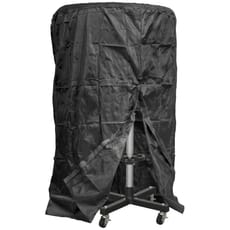
 Loading...
End of content
Error - No more pages to load
About Wheel Trolleys
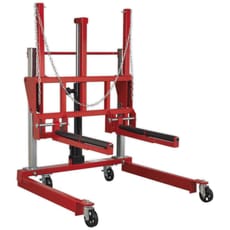
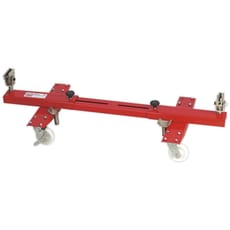
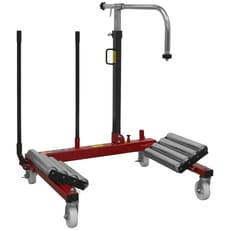
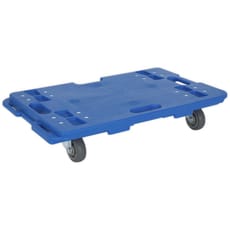
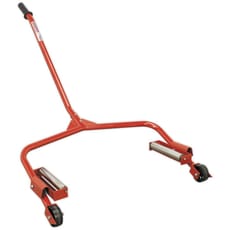
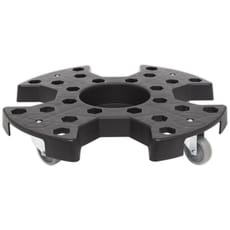
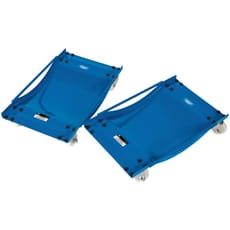
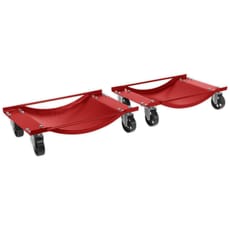
Wheel trolleys are essential workshop equipment designed to simplify the handling, storage, and transport of wheels, tyres, and heavy cylindrical objects. From simple wheel dollies that allow individual wheels to be manoeuvred effortlessly across garage floors, to sophisticated hydraulic wheel skates capable of supporting entire vehicles, these specialised trolleys eliminate manual handling strain whilst protecting valuable wheels from damage. MyToolShed.co.uk stocks a comprehensive range of wheel trolleys from trusted brands including Sealey and Draper, with solutions for every workshop requirement.
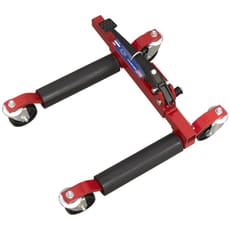
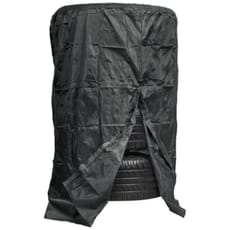
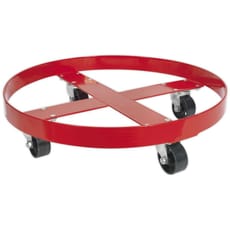
Our selection includes wheel storage trolleys that keep seasonal tyres organised and off the floor, drum dollies designed to safely transport heavy 205-litre barrels, and transportacar trolleys that enable non-running vehicles to be repositioned around workshops. With load capacities ranging from individual wheel handling to supporting entire vehicle weights, modern wheel trolleys incorporate thoughtful features such as swivel castors for enhanced manoeuvrability, reinforced frames for heavy-duty applications, and protective surfaces that prevent scratching expensive alloy wheels.
Applications
- Motor mechanics and garage technicians performing wheel changes, tyre fitting, and vehicle servicing
- Tyre fitters and fast-fit specialists requiring efficient wheel handling throughout busy working days
- MOT testing centres moving vehicles precisely and safely during inspection procedures
- Vehicle body shops manoeuvring damaged vehicles that cannot be driven under their own power
- Car dealerships and showrooms positioning vehicles for display without starting engines
- Fleet maintenance workshops managing high volumes of seasonal tyre changes and wheel rotations
- Racing teams and motorsport enthusiasts transporting competition wheels and maintaining organised tyre storage
- Classic car restorers moving project vehicles safely around workshops during long-term restoration work
- Warehouse and logistics operations handling drums and heavy cylindrical containers efficiently
- Home mechanics with dedicated garage space for vehicle maintenance projects
Choosing The Right Wheel Trolleys
Determine your primary application: Single wheel dollies suffice for basic tyre storage and movement, whilst wheel skates or transportacar trolleys are essential for moving non-running vehicles. Drum dollies serve specifically for heavy containers rather than automotive wheels.
Assess load capacity requirements: Standard car wheels typically weigh 15-25kg including tyre, whilst larger 4x4 or commercial vehicle wheels can exceed 50kg. For wheel skates supporting entire vehicles, calculate at least a quarter of the vehicle's kerb weight per skate, plus a safety margin.
Consider wheel and tyre sizes: Ensure trolley dimensions accommodate your typical wheel diameters, from compact 13-inch wheels to larger 20-inch or commercial sizes. Adjustable models from MyToolShed.co.uk offer versatility if you work with varied vehicle types.
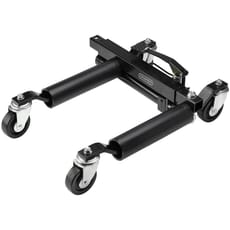
Hydraulic versus mechanical operation: Hydraulic wheel skates feature foot-operated pumps that raise vehicles with minimal effort, ideal for frequent professional use. Mechanical versions require more physical effort but cost less and have fewer components requiring maintenance, suiting occasional use or budget-conscious buyers.
Build quality and durability: Professional-grade trolleys from Sealey and Draper feature reinforced steel construction, quality castors with sealed bearings, and protective coatings against workshop chemicals and moisture, withstanding daily commercial use far better than budget alternatives.
Safety Information
Never exceed load limits: Always respect the manufacturer's stated load capacity. Overloading can cause structural failure, castors to collapse, or loads to shift unexpectedly, potentially causing serious injury or damage to expensive wheels and vehicles.
Secure vehicles properly: When using wheel skates to move vehicles, ensure the handbrake is off and transmission is in neutral. Move vehicles slowly and deliberately, never positioning any part of your body between a vehicle on skates and fixed objects.
Maintain clean floor surfaces: Wheel trolleys perform best on clean, level surfaces. Clear debris, oil spills, and obstructions from the path before moving loaded trolleys. Be particularly cautious on sloped floors where loaded trolleys may gain momentum.
Regular inspection and maintenance: Regularly inspect castors for damage, debris accumulation, and bearing wear. Check hydraulic wheel skates for fluid leaks and ensure release valves function correctly. Replace worn components immediately rather than risking failure under load.
Frequently Asked Questions
Can I use wheel dollies to store alloy wheels without causing damage?
Yes, provided you choose dollies with protective surfaces or add rubber matting. Quality wheel dollies feature smooth, non-abrasive platforms that won't scratch delicate alloy finishes. Position wheels with the decorative face upward to prevent contact with the dolly surface, and for long-term storage, consider dedicated wheel storage trolleys that support tyres without placing pressure on alloy faces.
What's the difference between hydraulic and mechanical wheel skates?
Hydraulic wheel skates incorporate a foot-operated pump that raises the vehicle with minimal physical effort, making them ideal for frequent daily use in professional garages. Mechanical versions use a screw-jack or lever mechanism requiring more manual effort but offering simpler construction. Hydraulic models cost more initially but save considerable time and effort in busy commercial environments, whilst mechanical versions suit occasional use where simplicity and reliability are priorities.
How do I move a car that won't start using wheel trolleys?
You'll need a complete transportacar trolley set consisting of four wheel skates. With the vehicle in neutral and handbrake off, position one skate at each wheel, then use the lifting mechanism to raise each wheel slightly off the ground. Once all four wheels are on skates, the vehicle can be pushed or pulled around your workshop. Always work on level ground, move slowly, and never leave a vehicle unattended on wheel skates without chocking them or applying additional restraints.