
Wheel Tools

Pay in 3 interest-free payments on purchases from £20-£3000 with  . Learn more.
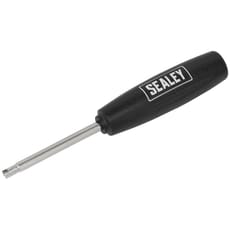
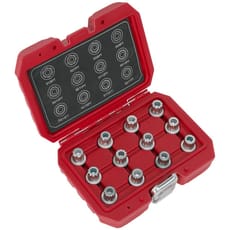
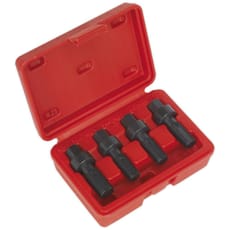
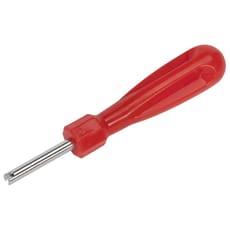
Loading...
End of content
Error - No more pages to load
About Wheel Tools
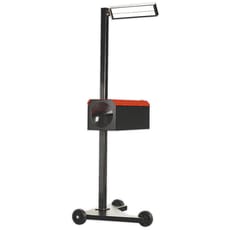
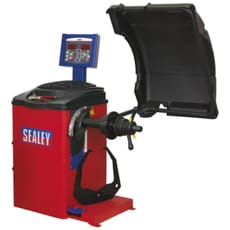
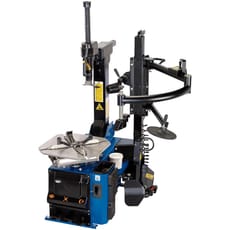
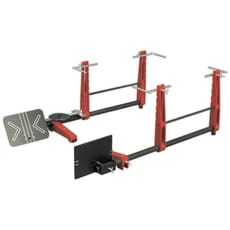
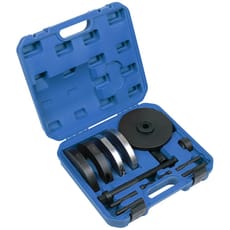
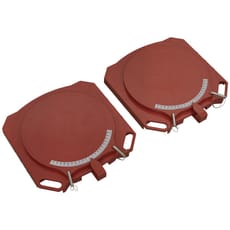
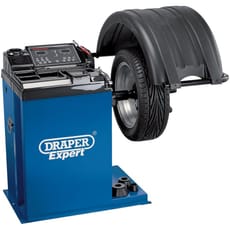
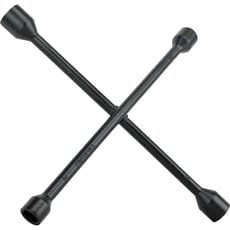
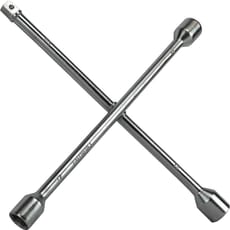
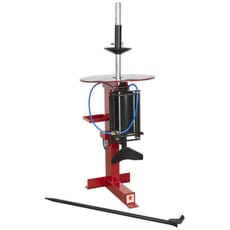
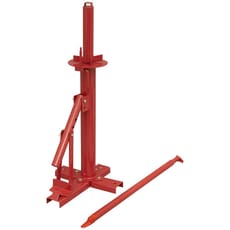
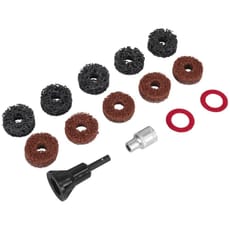
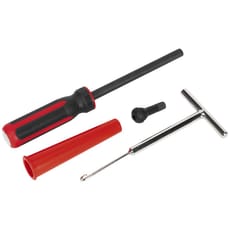
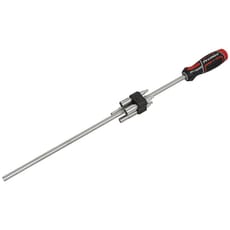
Wheel tools are essential equipment for anyone involved in vehicle maintenance, tyre fitting, or automotive repair. This comprehensive category at MyToolShed.co.uk encompasses everything from basic four-way wheel braces and locking wheel nut removal sets to professional-grade tyre changers and wheel balancers. Whether you're a mobile mechanic attending roadside breakdowns, a workshop technician servicing multiple vehicles daily, or a DIY enthusiast maintaining your own car, having the right wheel tools ensures safe, efficient, and professional results every time.
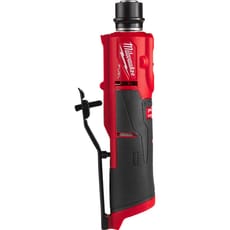
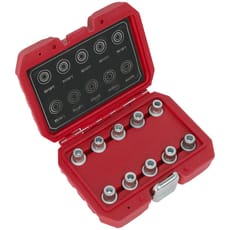
MyToolShed stocks specialist wheel tools from trusted brands including Sealey, Draper, Milwaukee, Faithfull, and Expert by Facom. The range covers everything from simple wheel nut wrenches that every vehicle owner should carry to sophisticated semi-automatic tyre changing equipment. Many tools are designed to tackle increasingly complex modern wheel systems, including vehicle-specific locking wheel nut key sets for BMW, Mini, Land Rover, and VW vehicles, plus specialist removal sets for damaged or seized security nuts.
Applications
Wheel tools are used across various automotive trades and applications:
- Mobile mechanics attending breakdown call-outs and providing on-site vehicle repairs
- Tyre fitters specialising in tyre changing, balancing, and wheel alignment services
- MOT testers who regularly remove wheels during vehicle inspections
- Fleet maintenance engineers servicing commercial vehicles, vans, and company car fleets
- Automotive technicians performing brake repairs, suspension work, and routine servicing
- HGV and plant mechanics working with heavy goods vehicles and construction equipment
- Car enthusiasts and DIYers performing seasonal tyre changes and general vehicle maintenance
- Breakdown recovery operators requiring reliable wheel removal tools for roadside assistance
Choosing The Right Wheel Tools
Identify your primary use: Basic wheel braces and socket sets suit occasional DIY use and emergency roadside changes, whilst semi-automatic tyre changers and wheel balancers are essential investments for professional workshops handling high volumes.
Consider vehicle types: Ensure your tools accommodate the vehicles you work with most frequently. Commercial vehicle mechanics require higher capacity equipment and larger socket sizes, whilst those working with prestige marques need vehicle-specific locking wheel nut key sets.
Torque accuracy matters: Invest in a quality torque wrench or tyre valve torque driver to ensure wheel nuts are tightened to precise manufacturer specifications. Over-tightening can damage studs and wheels, whilst under-tightening creates dangerous safety risks.
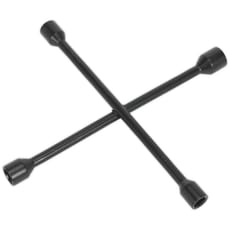
Portability requirements: Mobile mechanics benefit from compact four-way wheel braces that fit easily in service vans, whilst workshop-based professionals can opt for larger, specialised equipment like semi-automatic tyre changers.
Quality and durability: Professional-grade tools from brands stocked by MyToolShed.co.uk withstand daily commercial use and provide better accuracy and longevity than budget alternatives.
Safety Information
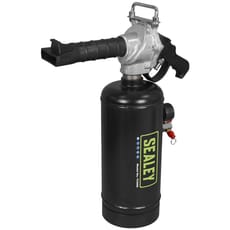
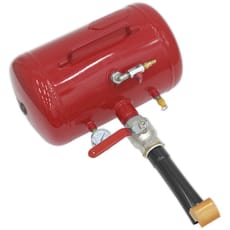
Always ensure vehicles are properly supported on level ground with the handbrake applied before removing wheels. Never rely solely on a trolley jack—always use appropriate axle stands rated for the vehicle weight. Consult vehicle manufacturer specifications for correct wheel nut torque settings, and always use a calibrated torque wrench for final tightening. Over-tightening can snap wheel studs or damage alloy wheels, whilst under-tightening may allow wheels to work loose—both scenarios create serious safety hazards. When operating tyre bead seaters or compressed air equipment, wear appropriate eye protection and follow HSE guidelines for working with compressed air systems.
Frequently Asked Questions
What's the difference between a wheel brace and a torque wrench?
A wheel brace removes and initially tightens wheel nuts, providing leverage for breaking tight nuts free. A torque wrench applies a precise, measured amount of force to ensure wheel nuts are tightened to manufacturer specifications—typically displayed in Newton-metres (Nm). Professional best practice involves using a wheel brace for removal and initial tightening, then finishing with a torque wrench set to the correct specification.
I've lost my locking wheel nut key—what are my options?
Contact your vehicle manufacturer's dealership with your VIN number—they may supply a replacement key. Alternatively, specialist locking wheel nut removal sets use reverse-twist sockets or cutting tools to extract security nuts without the original key. Professional mobile mechanics and tyre centres typically stock comprehensive removal kits for this common situation.
How often should I check my wheel nut torque?
Always re-torque wheel nuts after 50-100 miles following wheel removal and refitting, as initial settling can affect tightness. This is particularly important after tyre changes or brake work. For routine checks, inspect wheel nuts during regular servicing or if you notice any vibration or unusual noises whilst driving.