
Warding Files

Pay in 3 interest-free payments on purchases from £20-£3000 with  . Learn more.
 Loading...
End of content
Error - No more pages to load
About Warding Files
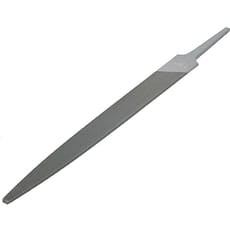
Warding files are specialised hand files designed with a thin, tapered rectangular profile that makes them ideal for detailed filing work in confined spaces. These precision tools are essential for filing narrow slots, keyways, and intricate internal corners where standard files simply cannot reach. The distinctive narrow, flat design with tapered edges allows tradespeople to work on lock mechanisms, small recesses, and tight internal angles with accuracy and control.
MyToolShed.co.uk supplies professional-grade warding files from trusted manufacturers like Bahco, ensuring our customers receive tools built to exacting standards. Whether you're a locksmith working on precision lock components or a toolmaker filing intricate slots, a quality warding file is an indispensable addition to your hand file collection for detailed metalworking tasks.
Applications
Warding files are commonly used across various trades and industries, including:
- Locksmiths: Filing ward slots in locks and fitting keys to lock mechanisms
- Toolmakers and die makers: Creating narrow slots and precise keyways in jigs and fixtures
- Machinists: Deburring and finishing narrow internal corners and recesses
- Jewellers: Detailed filing work on precious metal components
- Model makers: Precision work on small-scale metal parts and assemblies
- General engineering: Filing keyways in shafts and accessing tight internal spaces
- Maintenance engineers: Modifying or repairing components with narrow slots
Choosing The Right Warding Files
When selecting a warding file from MyToolShed.co.uk, consider these important factors:
- Cut grade: Bastard cut for rapid stock removal, second cut for general work, and smooth cut for finishing operations
- Length: Typically ranging from 100mm to 200mm; choose based on the scale of your work and the depth of access required
- Taper: More tapered profiles suit tighter spaces, whilst less tapered designs provide greater stability for heavier work
- Handle type: Ensure a comfortable, secure grip—some files are supplied without handles, requiring separate purchase
- Material quality: Look for high-carbon steel construction with proper heat treatment for durability and edge retention
- Brand reputation: Established manufacturers like Bahco offer consistent quality and reliable performance
Safety Information
Always fit a proper handle to tang-style warding files before use to prevent hand injuries from the sharp tang. Wear safety glasses to protect against metal filings, and secure your workpiece firmly in a vice. File in smooth, controlled strokes, keeping fingers clear of the cutting direction. Never use files as pry bars or hammers, as they can shatter. Store warding files separately to prevent the delicate edges from damage.
Frequently Asked Questions
What makes a warding file different from other needle files?
Warding files feature a distinctive thin, flat, tapered rectangular profile specifically designed for filing narrow slots and keyways. Whilst needle files come in various cross-sectional shapes for detailed work, warding files are particularly suited to lock work and narrow internal slots that their unique shape can access.
Can I sharpen or re-cut a warding file?
No, hand files cannot be effectively re-sharpened once worn. The hardened steel teeth are cut at specific angles during manufacture, and attempting to sharpen them will damage the file. When your warding file becomes dull or clogged, it's time to replace it with a new one.
Should I use cutting fluid with warding files?
For most ferrous metals, filing dry is acceptable, though occasional cleaning with a file card prevents clogging. When filing softer metals like aluminium or brass, chalk rubbed on the file teeth helps prevent material build-up and improves cutting efficiency.