

Wall Plugs
Pay in 3 interest-free payments on purchases from £30-2000 with  . Learn more.


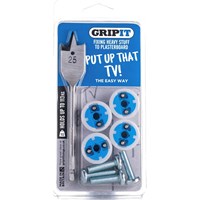
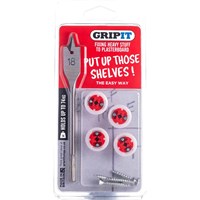
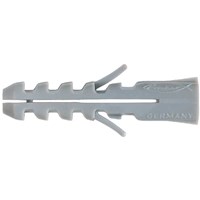
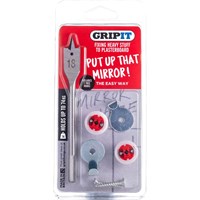
 Loading...
End of content
Error - No more pages to load
About Wall Plugs
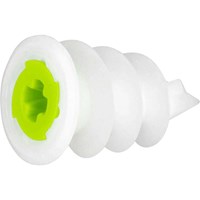
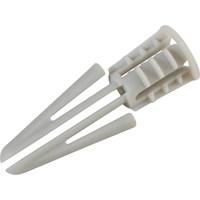
Wall plugs, also known as rawlplugs or wall anchors, are essential fixings that provide secure anchorage points in solid walls, hollow walls, plasterboard, and other building materials. MyToolShed.co.uk stocks a comprehensive range of wall plugs suitable for every fixing requirement, from lightweight picture frames to heavy-duty shelving and radiator installations. Our selection includes standard nylon plugs, heavy-duty options, and specialist plasterboard fixings designed to handle different load requirements and wall types.
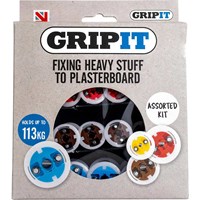
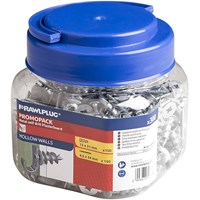
Whether you're a professional tradesperson working on construction sites or a DIY enthusiast tackling home improvements, choosing the correct wall plug is critical for safe, reliable fixings. MyToolShed offers assorted wall plug packs for versatility, standard plugs for everyday applications, and specialist plasterboard fixings for hollow wall installations, ensuring you have the right solution for every project.
Applications
Wall plugs are used across numerous trades and applications, including:
- General Construction: Builders and carpenters fixing architraves, skirting boards, and structural elements
- Electrical Work: Sparkies mounting consumer units, light fittings, and electrical accessories
- Plumbing: Securing pipe clips, radiators, and bathroom fittings to various wall types
- Kitchen Fitting: Installing wall cabinets, worktop brackets, and appliances
- Shopfitting: Mounting shelving systems, display units, and signage
- DIY Projects: Hanging mirrors, pictures, curtain rails, and general household fixings
- Maintenance Work: Property maintenance professionals carrying out repairs and installations
Choosing The Right Wall Plugs
Selecting appropriate wall plugs depends on several key factors:
- Wall Type: Solid masonry requires standard nylon or heavy-duty plugs, whilst plasterboard and hollow walls need specialist cavity fixings with spreading anchors or toggle mechanisms
- Load Capacity: Match the plug rating to the weight being supported—lightweight items under 5kg need basic plugs, whilst heavy radiators or cabinets require heavy-duty fixings
- Drill Bit Size: Wall plugs are colour-coded to correspond with specific drill bit sizes (typically 5mm to 10mm)—always use the correct diameter for optimal grip
- Screw Compatibility: Ensure your screws match the plug size, with sufficient length to penetrate through the fixing material and fully engage the plug
- Material Conditions: Consider wall condition—crumbly or friable surfaces may require resin fixings or larger diameter plugs for secure anchorage
- Assorted Packs: For tradespeople and regular DIYers, assorted packs from MyToolShed.co.uk provide cost-effective variety for different applications
Frequently Asked Questions
What's the difference between standard plugs and plasterboard fixings?
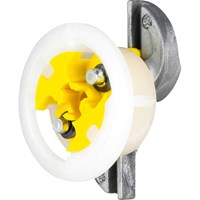
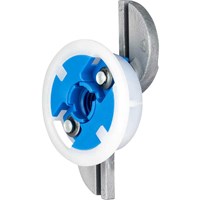
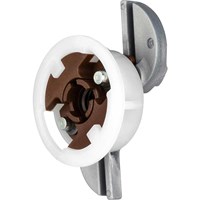
Standard wall plugs expand within solid materials like brick, concrete, or stone to create a secure grip. Plasterboard fixings use different mechanisms (spring toggles, cavity anchors, or self-drilling designs) because plasterboard is hollow and thin, requiring fixings that spread load across a wider area or anchor behind the board.
How do I know what size wall plug I need?
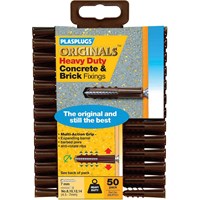
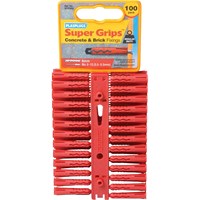
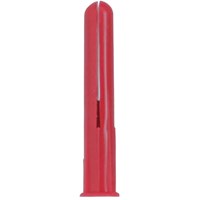
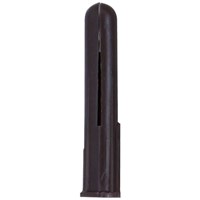
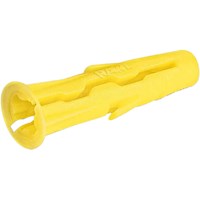
Wall plugs are colour-coded: brown (5mm), red (6mm), yellow (7mm), and blue (10mm) are most common. Match the plug to your masonry drill bit size, then select screws that correspond to the plug diameter. The screw gauge is typically printed on plug packaging.
Can I reuse holes with new wall plugs?
It's not recommended for load-bearing applications. Old holes may be enlarged or damaged, compromising grip strength. For best results, drill fresh holes slightly offset from existing ones, or use a larger diameter plug with appropriate filler if repositioning isn't possible.