
Wall Chaser Blades

Pay in 3 interest-free payments on purchases from £20-£3000 with  . Learn more.
 Loading...
End of content
Error - No more pages to load
About Wall Chaser Blades
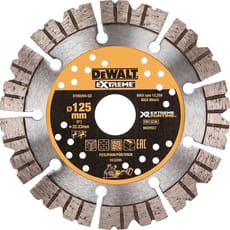
Wall chaser blades are specialised diamond-tipped cutting discs designed for use with wall chasing machines to cut precise channels in brick, concrete, stone, and masonry. These robust blades feature diamond segments that deliver exceptional cutting performance and extended lifespan when creating grooves for electrical cables, plumbing pipes, and other installations. MyToolShed.co.uk stocks professional-grade wall chaser blades from leading manufacturers including DeWalt, engineered to withstand the demanding conditions of construction and renovation work.
Available in various diameters with 125mm being the most common size, these blades are designed to work in pairs on twin-blade wall chasers, creating clean, parallel cuts that minimise dust and reduce the need for additional finishing work. The diamond segments are specifically formulated to maintain cutting efficiency through hard materials whilst managing heat dissipation effectively during prolonged use.
Applications
Wall chaser blades are essential equipment for:
- Electricians – cutting channels for electrical conduit, cable runs, and back boxes in domestic and commercial installations
- Plumbers – creating grooves for central heating pipes and water supply lines
- Builders and general contractors – preparing walls for service installations during new builds and renovations
- Stonemasons – precision cutting in natural and reconstituted stone
- Maintenance professionals – retrofit installations in existing properties
- Serious DIY enthusiasts – home improvement projects requiring professional-quality results
Choosing The Right Wall Chaser Blades
When selecting wall chaser blades at MyToolShed.co.uk, consider these key factors:
- Diameter size – ensure compatibility with your wall chaser model; 125mm is the standard size for most professional machines
- Bore size – verify the arbor diameter matches your tool's spindle specification
- Material compatibility – choose blades rated for your specific cutting applications, whether brick, concrete, stone, or mixed masonry
- Segment quality – premium diamond segments offer superior longevity and cutting speed, reducing downtime and replacement costs
- Brand reputation – trusted manufacturers like DeWalt provide consistent quality and performance backed by warranty support
- Replacement pairs – wall chasers require two matched blades; always replace both simultaneously to maintain balanced cutting
Safety Information
Always wear appropriate PPE including safety glasses, dust mask or respirator, hearing protection, and work gloves when operating wall chasers. Ensure blades are correctly fitted and tightened according to manufacturer specifications. Disconnect the tool from the 240v power supply before changing blades. Check for hidden cables and pipes using a detector before cutting. Use dust extraction systems where possible to minimise silica dust exposure. Never exceed the maximum RPM rating marked on the blade. Replace worn or damaged blades immediately.
Frequently Asked Questions
How long do wall chaser blades last?
Blade lifespan depends on material hardness and cutting frequency, but quality diamond blades typically cut between 30-50 metres of channel in standard brick or concrete before requiring replacement. Harder materials like engineering brick reduce this significantly.
Can I use different brand blades on my wall chaser?
Yes, provided the diameter and bore size match your machine's specifications. However, always use two blades of identical specification and from the same manufacturer to ensure balanced, safe operation.
What's the difference between standard and premium wall chaser blades?
Premium blades feature higher diamond concentration and superior segment bonding, delivering faster cutting speeds, extended service life, and better performance in demanding materials, making them more cost-effective for professional tradespeople.