

Vacuums & Dust Extractors
Pay in 3 interest-free payments on purchases from £30-2000 with  . Learn more.
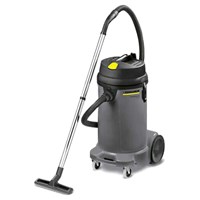
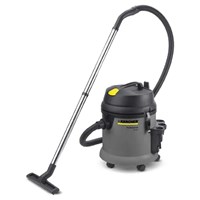
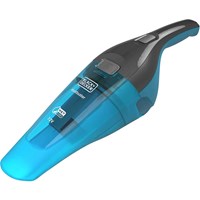
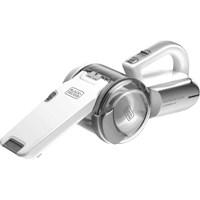
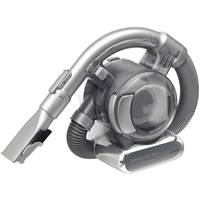
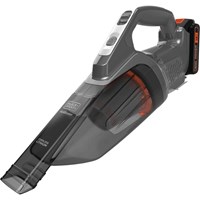
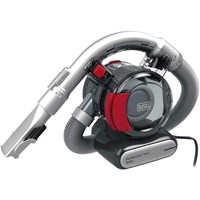
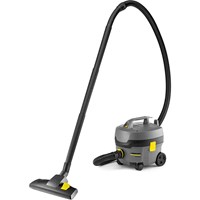
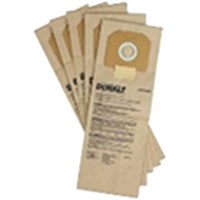
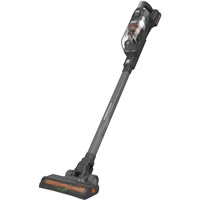
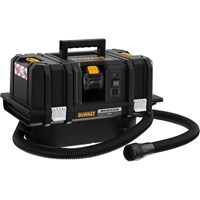
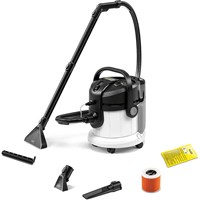
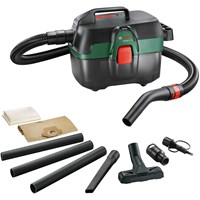
Bosch ADVANCEDVAC 18V-8 P4A 18v Cordless Portable Wet and Dry Vacuum Cleaner 8L
in stock
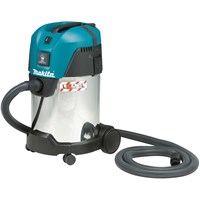
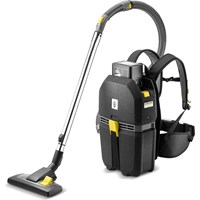
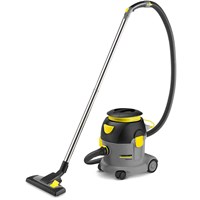
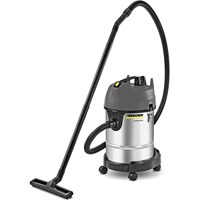
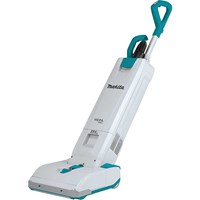
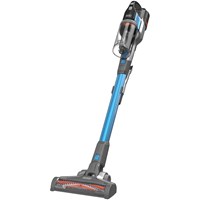
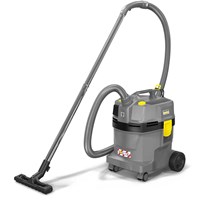
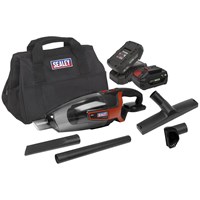
 Loading...
End of content
Error - No more pages to load
About Vacuums & Dust Extractors
Vacuums and dust extractors are essential equipment for maintaining clean, safe, and compliant workspaces across construction sites, workshops, and industrial environments. MyToolShed.co.uk offers a comprehensive range of professional-grade vacuum cleaners and dust extraction systems designed to handle everything from fine plaster dust to heavy debris. These systems connect directly to power tools or operate as standalone units, ensuring effective dust control that protects both worker health and equipment longevity.
This category includes complete dust extractor units and vacuum cleaners alongside a full selection of accessories including dust bags, filters, extension hoses, adaptors, brushes, nozzles, and accessory kits. Whether you need a compact 240v extractor for occasional use or an industrial M-Class system for continuous heavy-duty applications, MyToolShed stocks solutions suitable for all trades and project requirements.
Applications
Professional vacuums and dust extractors are used across numerous trades and industries:
- Carpentry and joinery: Collection of sawdust and wood shavings from saws, sanders, and routers
- Plastering and drylining: Control of fine plaster and drywall dust during sanding operations
- Electrical work: Cleanup of drilling and chasing dust when installing cables and sockets
- Decorating: Surface preparation and post-sanding cleanup before painting
- Demolition and renovation: General debris removal and dust suppression
- Flooring installation: Collection of dust from grinding and cutting operations
- Stone and masonry work: Control of hazardous silica dust from cutting and grinding
- General maintenance: Workshop and vehicle cleaning across all industries
Choosing The Right Vacuums & Dust Extractors
Selecting the appropriate vacuum or dust extraction system depends on several key factors:
- Dust class rating: L-Class for general dust, M-Class for wood and mineral dusts, H-Class for hazardous materials including asbestos
- Power and suction capacity: Measured in watts and air flow (litres per second) – higher specifications suit demanding applications
- Tank capacity: Ranges from 20 to 80+ litres; larger capacities reduce emptying frequency on big jobs
- Filtration system: HEPA filters capture 99.9% of fine particles, essential for health compliance
- Power tool compatibility: Auto-start functions and appropriate hose diameters for seamless power tool connection
- Portability: Consider weight, handle design, and wheel quality for site movement
- Power supply: Most professional units run on standard 240v mains power
MyToolShed.co.uk stocks compatible accessories including replacement filters, various nozzle types for different surfaces, and extension hoses to suit all working environments.
Frequently Asked Questions
What's the difference between L, M, and H-Class dust extractors?
L-Class handles general, low-risk dust. M-Class is required for wood dust, plaster, and mineral dusts with medium health risks and captures 99.9% of particles. H-Class is for hazardous dusts including asbestos, capturing 99.995% of particles. Always match the classification to your specific application and regulatory requirements.
Can I use a regular vacuum cleaner instead of a dust extractor?
Domestic vacuum cleaners lack the filtration efficiency, motor durability, and capacity needed for construction dust. They can't handle fine particles effectively and may release harmful dust back into the air. Professional dust extractors are designed for continuous use and meet HSE workplace standards.
How often should I replace filters and bags?
Replace dust bags when 50-75% full to maintain suction power. Clean or replace filters according to manufacturer guidelines, typically every 3-6 months depending on usage intensity. Reduced suction performance usually indicates filter maintenance is needed.