
Transporters

Pay in 3 interest-free payments on purchases from £20-£3000 with  . Learn more.
 Loading...
End of content
Error - No more pages to load
About Transporters
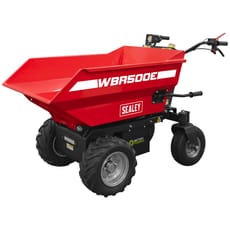
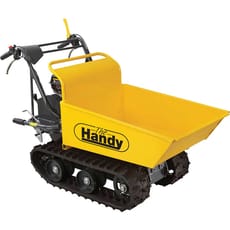
Transporters are essential motorised machines designed to move heavy loads, materials, and equipment across construction sites, gardens, and industrial environments. These robust tracked or wheeled vehicles eliminate the physical strain of manual handling while significantly improving productivity on projects where wheelbarrows and hand carts simply aren't sufficient. MyToolShed.co.uk offers petrol-powered mini transporters built to tackle challenging terrain and demanding workloads.
A quality transporter features a powerful engine, hydraulic tipping mechanism, and durable construction to handle loads typically ranging from 300kg to 500kg. With tracked designs providing excellent traction on slopes, mud, and uneven ground, these machines are indispensable for landscapers, builders, and groundworkers who need reliable material handling equipment that can navigate difficult sites with ease.
Applications
Transporters are invaluable across numerous trades and industries:
- Landscaping: Moving soil, aggregates, paving slabs, and turf across gardens and commercial grounds
- Construction: Transporting bricks, blocks, concrete, and building materials around sites with restricted access
- Groundworks: Removing spoil, delivering hardcore, and moving heavy materials on uneven terrain
- Agriculture: Hauling feed, compost, and equipment across fields and farmyards
- Site Clearance: Removing debris, rubble, and waste materials efficiently
- Garden Maintenance: Moving logs, chippings, gravel, and heavy garden waste
- Drainage Work: Transporting pipes, gravel, and excavated material in confined spaces
Choosing The Right Transporters
When selecting a transporter from MyToolShed.co.uk, consider these key factors:
- Load Capacity: Assess typical load weights you'll transport—mini transporters typically handle 300-500kg
- Power Source: Petrol engines offer portability and power without requiring mains electricity, ideal for outdoor sites
- Track vs Wheels: Tracked models provide superior traction on slopes and soft ground compared to wheeled variants
- Tipping Mechanism: Hydraulic tipping makes unloading effortless and reduces manual handling risks
- Dimensions: Ensure the transporter fits through gateways and narrow access points on your typical sites
- Build Quality: Look for reinforced chassis, robust skip construction, and reliable engine brands
- Controls: Ergonomic handle positioning and intuitive controls reduce operator fatigue during extended use
Safety Information
Always operate transporters on stable ground and avoid exceeding the stated load capacity. Wear appropriate PPE including steel toe-capped boots and high-visibility clothing. Ensure the machine is on level ground before tipping loads, and keep bystanders clear of the operating area. Regularly inspect tracks, hydraulics, and engine components, and never attempt repairs whilst the engine is running. Follow the manufacturer's guidelines for refuelling, maintenance schedules, and safe operating procedures.
Frequently Asked Questions
What load capacity do I need?
For most landscaping and light construction work, a 300-500kg capacity mini transporter is sufficient. Consider your heaviest typical loads—wet concrete, paving slabs, or aggregate—and choose accordingly.
Can transporters handle steep slopes?
Tracked transporters excel on slopes and uneven terrain, typically managing gradients up to 25-30 degrees depending on the model. Always check the manufacturer's specifications for maximum safe operating angles.
How much maintenance do petrol transporters require?
Regular maintenance includes checking engine oil levels, cleaning air filters, inspecting tracks for wear, and ensuring hydraulic systems function correctly. Following the service schedule ensures reliable performance and longevity.