
Tracing Dyes

Pay in 3 interest-free payments on purchases from £20-£3000 with  . Learn more.
 Loading...
End of content
Error - No more pages to load
About Tracing Dyes
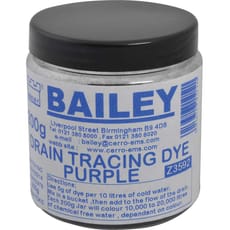
Tracing dyes are essential diagnostic tools used by plumbers, drainage engineers and water utility professionals to identify leaks, trace water flow patterns and diagnose drainage problems. These highly concentrated, water-soluble dyes provide a reliable, non-toxic method for tracking the movement of water through pipes, drains and underground systems. MyToolShed.co.uk stocks professional-grade tracing dyes from trusted brands like Bailey, designed to deliver bright, long-lasting colour that remains visible even when highly diluted.
Unlike temporary marking dyes, drain tracing dyes are specifically formulated to maintain their intensity as they travel through complex drainage networks, making them invaluable for locating cross-connections, identifying illegal connections, and confirming the route of underground pipework. The concentrated formula means a single application can trace water flow over considerable distances, providing cost-effective solutions for both routine maintenance and emergency diagnostics.
Applications
- Plumbing and heating engineers: Identifying leaks in central heating systems, underfloor heating circuits and domestic water supplies
- Drainage contractors: Tracing sewage flows, mapping drainage systems and locating blockages or breaks in underground pipes
- Water utilities: Detecting cross-connections between potable water and drainage systems, identifying illegal connections
- Building surveyors: Investigating water ingress, damp problems and verifying drainage connections during property inspections
- Environmental consultants: Monitoring water flow in groundwater studies and environmental impact assessments
- Local authorities: Mapping public drainage networks and investigating pollution incidents
Choosing The Right Tracing Dyes
When selecting tracing dyes at MyToolShed.co.uk, consider the concentration level - professional formulations typically require only small quantities per application, making them economical for regular use. Check the dye colour options available, as different colours help distinguish between multiple drainage systems when testing complex networks simultaneously.
Consider whether the dye is suitable for potable water testing if you're working on drinking water systems, and verify it meets relevant safety standards. The visibility duration matters too - quality tracing dyes should remain detectable for several hours or even days, depending on flow rates and dilution. Bottle size should match your typical usage patterns, with larger containers offering better value for drainage contractors undertaking frequent diagnostic work.
Safety Information
Always wear appropriate PPE including gloves and eye protection when handling concentrated tracing dyes, as direct contact with skin or eyes may cause irritation. Ensure tracing dyes used in potable water systems are certified as non-toxic and suitable for drinking water applications. Store dyes securely away from children and pets, and follow manufacturer guidelines regarding disposal. Never use tracing dyes in water supplies without confirming their suitability for potable water testing.
Frequently Asked Questions
How much tracing dye do I need for a typical drain test?
Most professional tracing dyes are highly concentrated, requiring only 25-50ml per application for domestic drainage systems. Larger commercial systems may need more, but even small bottles typically provide sufficient dye for multiple tests.
How long does tracing dye remain visible in the system?
Visibility depends on flow rate and dilution, but quality tracing dyes typically remain detectable for 2-6 hours in active drainage systems. In slower-moving water or static conditions, dyes may remain visible for several days.
Can I use tracing dye in drinking water pipes?
Only use tracing dyes specifically certified as non-toxic and suitable for potable water applications. Check product specifications carefully before use in any drinking water system.