
Torque Wrenches & Multipliers

Pay in 3 interest-free payments on purchases from £20-£3000 with  . Learn more.
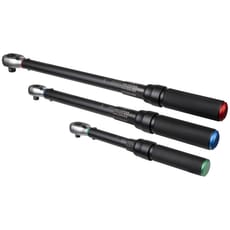
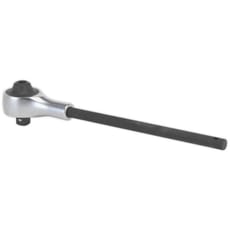
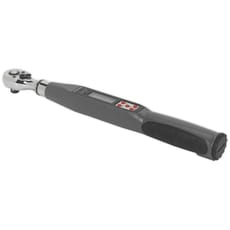
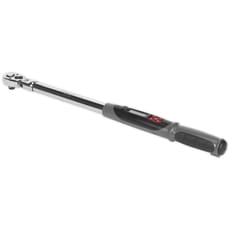
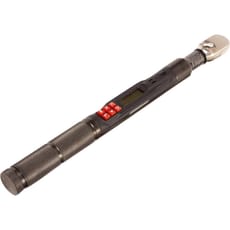
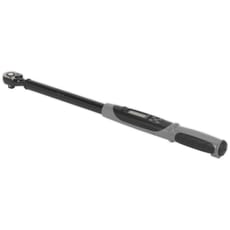
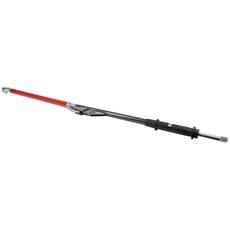
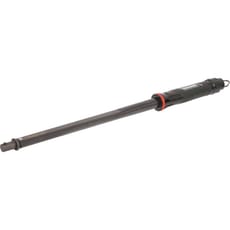
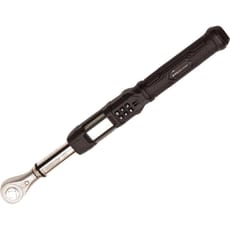
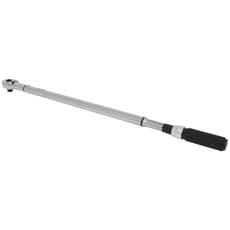
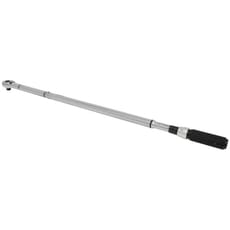
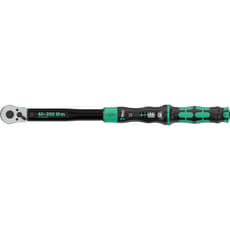
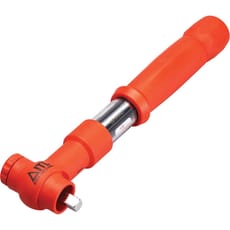
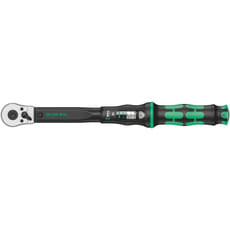
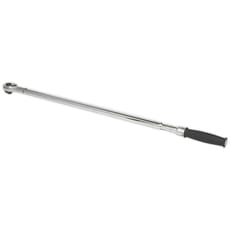
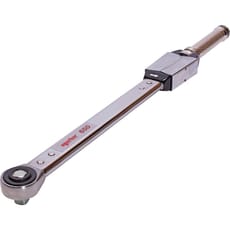
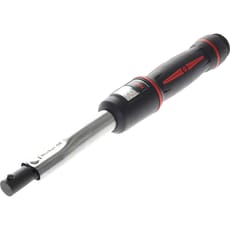
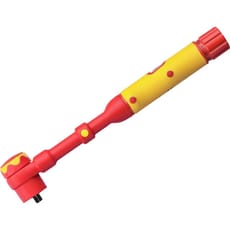
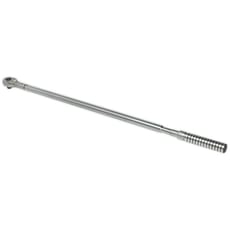
Loading...
End of content
Error - No more pages to load
About Torque Wrenches & Multipliers
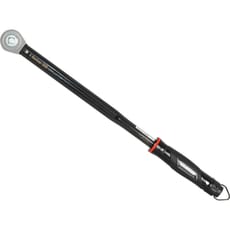
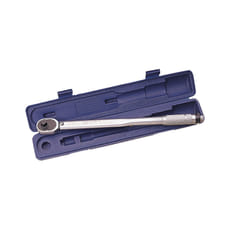
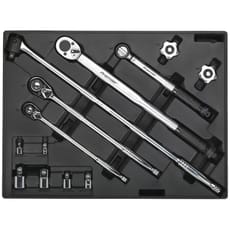
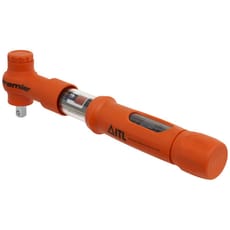
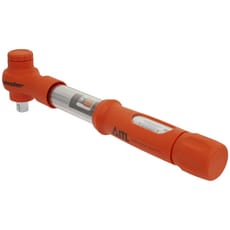
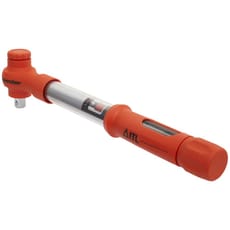
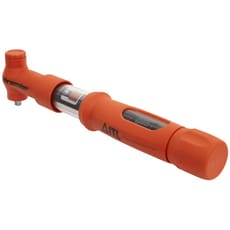
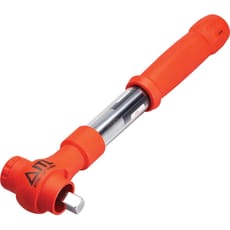
Torque wrenches and multipliers are precision tools essential for achieving accurate fastener tightening to manufacturer specifications. A torque wrench applies a specific rotational force measured in Newton metres (Nm), ensuring bolts and nuts are neither under-tightened nor over-tightened. MyToolShed.co.uk stocks an extensive range including 1/4", 3/8", and 1/2" drive models from trusted brands like Norbar, Draper, and Facom, suitable for everything from delicate electronics assembly to heavy automotive work.
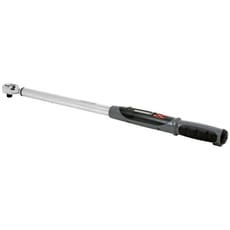
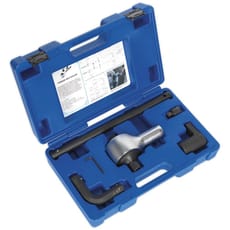
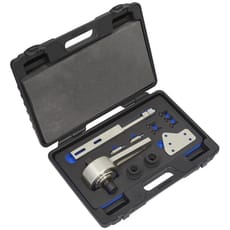
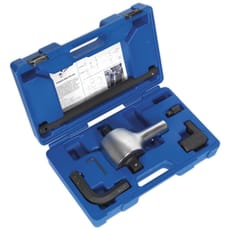
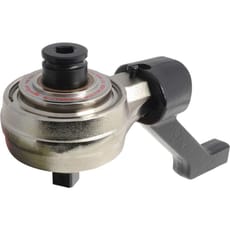
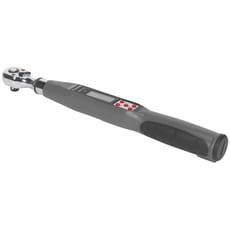
Torque multipliers increase the torque output from standard tools, allowing operators to tighten high-torque fasteners without excessive physical effort. Our collection features click-type torque wrenches, digital models, angular torque gauges, and precision instruments for professional calibration requirements. Whether you need a basic torque wrench for DIY projects or certified calibrated equipment for critical industrial applications, MyToolShed.co.uk offers solutions across all torque ranges and drive sizes.
Applications
Torque wrenches and multipliers are indispensable across numerous trades and industries:
- Automotive mechanics – wheel lug nuts, engine components, cylinder heads, and suspension assemblies
- HGV and plant maintenance – commercial vehicle servicing and heavy machinery repair
- Bicycle mechanics – carbon fibre components, headsets, and bottom brackets requiring precise torque
- Electrical contractors – busbar connections and switchgear installations
- Plumbers and heating engineers – boiler installations and pipe fittings
- Manufacturing and assembly – production lines requiring consistent torque specifications
- Aerospace and marine – critical applications demanding certified calibration
- Construction – structural steel connections and scaffold fittings
Choosing The Right Torque Wrenches & Multipliers
Selecting the appropriate torque wrench depends on several key factors:
- Torque range – Choose a wrench where your typical working torque falls within the middle 20-80% of its range for optimal accuracy. Common ranges include 5-25Nm (1/4" drive), 10-80Nm (3/8" drive), and 40-210Nm (1/2" drive)
- Drive size – Match to your socket set: 1/4" for small fasteners, 3/8" for general automotive work, 1/2" for heavier applications
- Mechanism type – Click-type wrenches provide audible feedback, beam-type offer visual indication, whilst digital models display precise readings
- Calibration – Professional applications may require certified calibration certificates; check whether calibration services are available
- Build quality – Professional brands like Norbar and Expert By Facom offer superior accuracy and durability for frequent use
- Reversible ratchet – Essential for working in confined spaces or left-hand thread applications
Frequently Asked Questions
How often should I calibrate my torque wrench?
Professional torque wrenches should be calibrated annually or after approximately 5,000 cycles, whichever comes first. High-precision or critical-use applications may require more frequent calibration. Always store torque wrenches at their lowest setting to maintain spring tension accuracy.
What's the difference between a torque wrench and a torque multiplier?
A torque wrench measures and limits the applied torque, whilst a torque multiplier increases the torque output from your input force – typically by ratios of 5:1 or 25:1. Multipliers are used when fastener torque requirements exceed what's achievable with standard tools or when working in confined spaces.
Can I use a torque wrench to loosen fasteners?
No. Torque wrenches are designed exclusively for tightening and should never be used for loosening, as this can damage the internal calibration mechanism. Always use a standard ratchet or breaker bar to loosen fasteners before applying your torque wrench for final tightening.