
Torque Screwdrivers

Pay in 3 interest-free payments on purchases from £20-£3000 with  . Learn more.
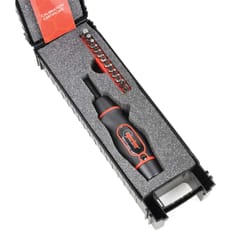
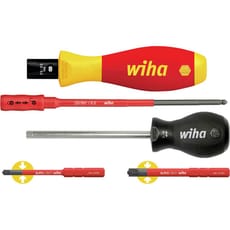
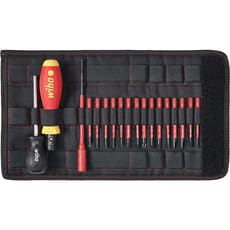
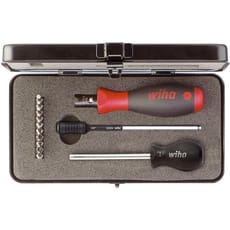
Loading...
End of content
Error - No more pages to load
About Torque Screwdrivers
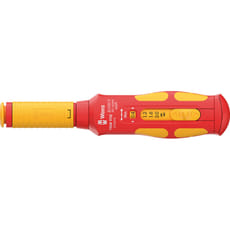
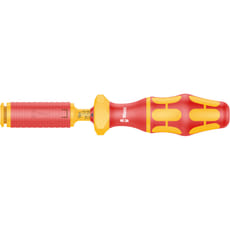
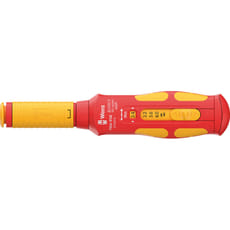
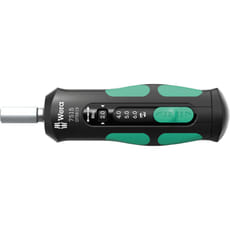
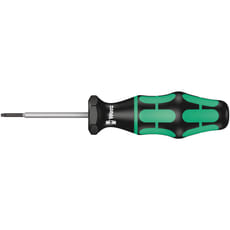
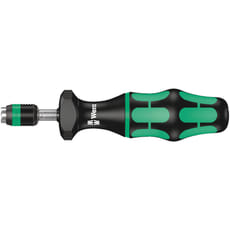
Torque screwdrivers are precision tools designed to apply a specific amount of rotational force to fasteners, ensuring components are tightened to exact manufacturer specifications. Unlike standard screwdrivers, these specialised tools feature calibrated mechanisms that either click, slip, or provide visual indicators when the preset torque value is reached, preventing over-tightening and potential damage to sensitive materials or threads.
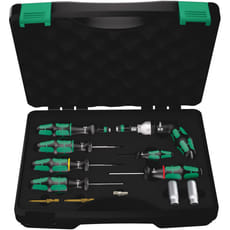
MyToolShed.co.uk stocks an extensive range of torque screwdrivers from leading manufacturers including Wera, Wiha, Norbar, Draper, and Sealey. Available in various formats including click-type, digital, and torque indicator models with multiple drive types such as hex, Torx, and interchangeable bit systems, these precision instruments cater to applications requiring torque values typically ranging from 0.1 to 6 Nm.
Applications
Torque screwdrivers are essential tools across numerous professional sectors:
- Electronics and Electrical: Assembly of circuit boards, control panels, and delicate electronic equipment
- Automotive and Motorcycle: Engine assembly, sensor installation, and dashboard component fitting
- Aerospace and Aviation: Critical fastening applications requiring documented torque compliance
- Manufacturing and Production: Quality control and assembly line operations with torque specifications
- Optical and Medical: Precision work on instruments, devices, and equipment
- Laboratory and Research: Scientific equipment assembly and maintenance
- HVAC and Plumbing: Installation of control systems and sensitive components
Choosing The Right Torque Screwdrivers
When selecting a torque screwdriver from MyToolShed.co.uk, consider these key factors:
Torque Range: Match the tool's torque range to your specific application requirements. Lower ranges (0.1-1.5 Nm) suit delicate electronics, whilst higher ranges (2-6 Nm) handle more robust assemblies.
Drive Type: Choose between hex drive for bit compatibility, fixed Torx or hex tips for dedicated applications, or 1/4" square drives for socket compatibility.
Accuracy and Calibration: Professional applications may require tools with certification and documented accuracy levels, typically ±6% of reading. Consider whether you need annual calibration certificates.
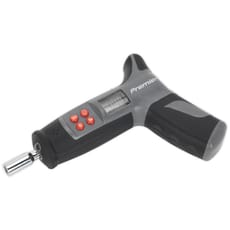
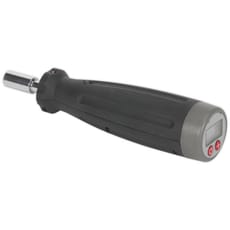
Indicator Type: Click-type models provide tactile and audible feedback, digital torque screwdrivers offer precise numerical readouts and data logging, whilst torque indicator models feature visual scales for quick reference.
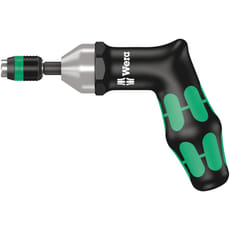
Handle Design: Standard inline handles suit general use, whilst pistol grip designs provide better ergonomics for repetitive tasks and awkward angles.
Safety Information
Always use torque screwdrivers within their calibrated range and never as conventional screwdrivers, as this can affect calibration accuracy. Regularly verify calibration status and arrange professional recalibration annually or per manufacturer recommendations. Store tools at their lowest torque setting to maintain spring tension. Ensure bits and drives are correctly seated to prevent slippage, and always apply force smoothly along the tool's axis to avoid side-loading which can damage both fasteners and the tool mechanism.
Frequently Asked Questions
How often should torque screwdrivers be calibrated?
Professional torque screwdrivers should typically be recalibrated annually or after approximately 5,000 cycles, whichever comes first. Critical applications in aerospace or medical sectors may require more frequent calibration. MyToolShed stocks models from manufacturers offering calibration services with traceable certification.
What's the difference between click-type and digital torque screwdrivers?
Click-type models use a mechanical clutch mechanism that produces an audible click and releases when the preset torque is reached, making them reliable and requiring no batteries. Digital models display precise torque values on an electronic screen, often with data logging capabilities and multiple unit options, ideal for quality control documentation.
Can I use a torque screwdriver as a regular screwdriver?
No, torque screwdrivers should only be used for their intended purpose of applying calibrated torque. Using them as regular screwdrivers can damage the internal mechanism, affect calibration accuracy, and void warranties. Keep standard screwdrivers for general fastening work.