
Tinsnips

Pay in 3 interest-free payments on purchases from £20-£3000 with  . Learn more.
Loading...
End of content
Error - No more pages to load
About Tinsnips
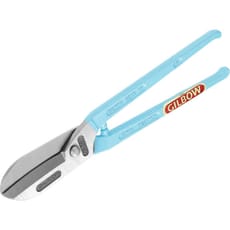
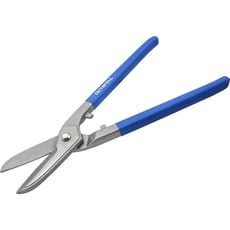
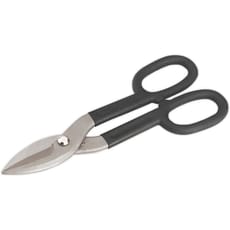
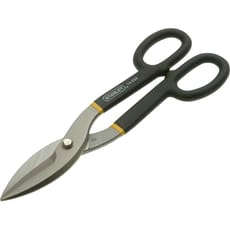
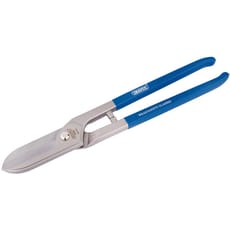
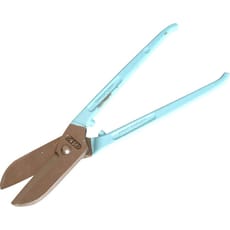
Tinsnips are essential hand cutting tools designed for cutting sheet metal, aluminium, tin plate, and other thin gauge materials with precision and control. Available in straight cut, left cut, and right cut configurations, these versatile tools are indispensable for sheet metal workers, roofers, HVAC engineers, and anyone working with thin metal fabrication. MyToolShed.co.uk stocks a comprehensive range of tinsnips from trusted brands including Gilbow, Sealey, Draper, Stanley, Blue Spot, and Faithfull.
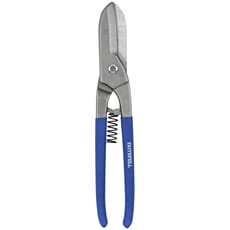
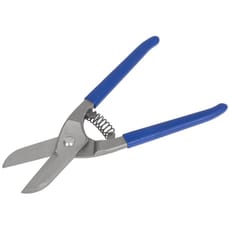
Modern tinsnips feature hardened cutting blades with serrated edges for improved grip on metal, comfortable handles with vinyl or rubber grips, and many include spring-loaded mechanisms for reduced hand fatigue during extended use. Whether you need straight cut snips for basic cutting tasks or specialised cranked universal snips for intricate work, MyToolShed offers professional-grade options suitable for both tradespeople and serious DIY enthusiasts.
Applications
Tinsnips are widely used across numerous trades and applications, including:
- Roofing: Cutting flashing, guttering, and roofing sheets
- HVAC Installation: Fabricating and fitting ductwork and ventilation systems
- Sheet Metal Fabrication: Precision cutting for bespoke metalwork projects
- Automotive Repair: Trimming body panels and exhaust components
- Plumbing: Cutting thin metal pipes and sheet materials
- General Construction: Working with metal studs, flashing, and cladding
- DIY Projects: Craft work, model making, and home improvements
Choosing The Right Tinsnips
When selecting tinsnips from MyToolShed.co.uk, consider these important factors:
- Cutting Direction: Straight cut snips for linear cuts, left-cut for anticlockwise curves, and right-cut for clockwise curves. Universal cranked snips offer versatility for various cutting angles.
- Material Gauge: Check the maximum cutting capacity – typically ranging from 0.7mm to 1.2mm for standard tinsnips. Heavier duty materials require aviation snips or compound action cutters.
- Handle Design: Look for ergonomic grips with cushioned handles to reduce hand fatigue. Spring-loaded models significantly ease repetitive cutting tasks.
- Blade Quality: Hardened steel blades with serrated edges provide better grip and longer cutting life. Premium brands offer replaceable blades for extended tool lifespan.
- Build Quality: Forged steel construction provides superior durability compared to pressed metal alternatives, essential for professional daily use.
Safety Information
Always wear appropriate safety equipment when using tinsnips, including safety glasses to protect against metal shards and cut-resistant gloves to prevent hand injuries from sharp edges. Keep fingers clear of the cutting line and ensure materials are properly secured before cutting. Maintain blades in good condition – dull blades require excessive force and increase accident risk. Store tinsnips safely with blade guards or in dedicated tool pouches to prevent accidental cuts and protect cutting edges.
Frequently Asked Questions
What's the difference between tinsnips and aviation snips?
Tinsnips are simpler hand shears ideal for straight cuts and light gauge metals up to 1.2mm. Aviation snips feature compound leverage action for cutting thicker materials with less effort and come colour-coded (red, green, yellow) to indicate cutting direction.
Can tinsnips cut stainless steel?
Standard tinsnips can cut thin gauge stainless steel (0.5mm or less), but for thicker stainless steel, specialised heavy-duty snips or powered cutting tools are recommended to avoid blade damage and ensure clean cuts.
How do I maintain my tinsnips?
Keep blades clean and dry to prevent rust, periodically oil the pivot point for smooth operation, and avoid cutting materials harder than the rated capacity. Sharpen or replace blades when cutting performance deteriorates to maintain precision and safety.