

Tie Downs & Straps
Pay in 3 interest-free payments on purchases from £30-2000 with  . Learn more.
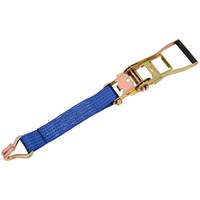
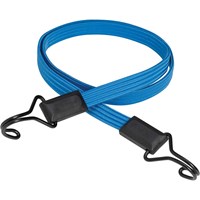
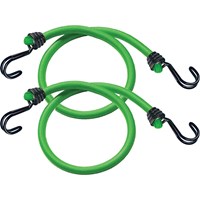
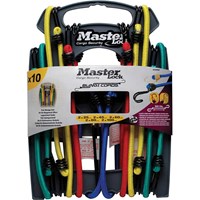
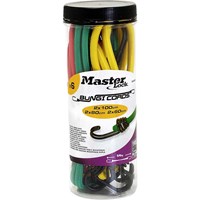
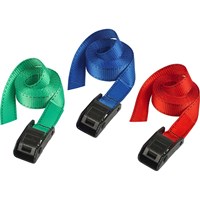
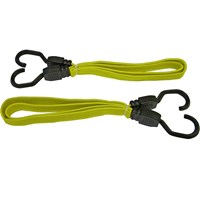
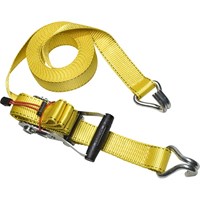
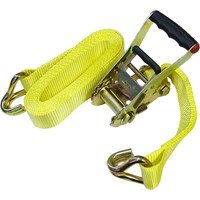
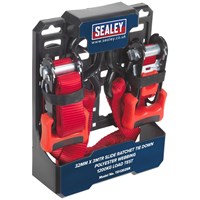
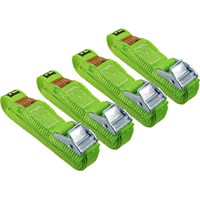
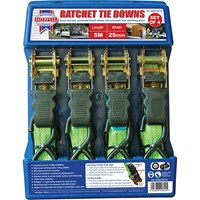
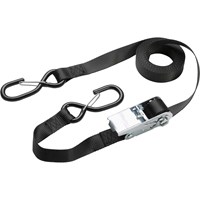
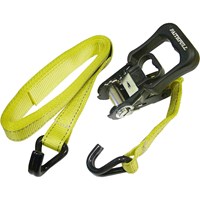
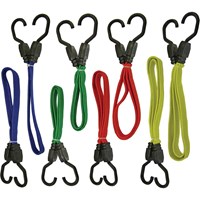
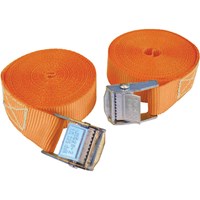
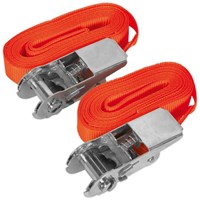
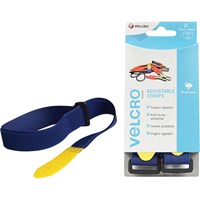
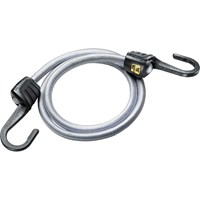
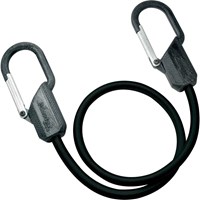
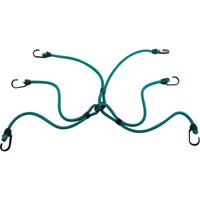
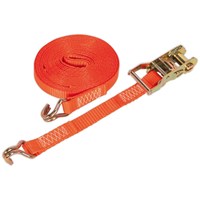
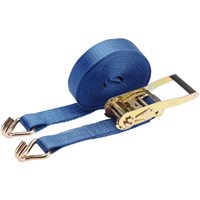
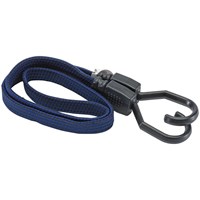
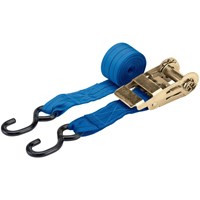
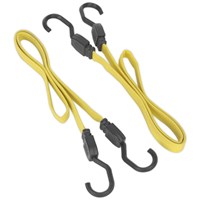
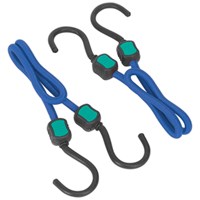
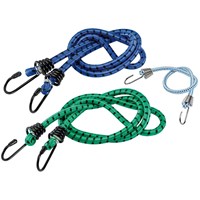
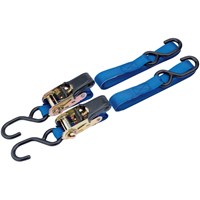
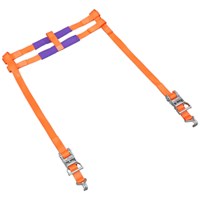
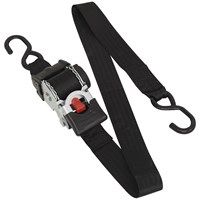
 Loading...
End of content
Error - No more pages to load
About Tie Downs & Straps
Tie downs and straps are essential load securing equipment for safely transporting tools, materials, and equipment. MyToolShed.co.uk stocks a comprehensive range of load restraint solutions including ratchet straps, bungee cords, and cargo nets designed to meet the demanding requirements of professional tradespeople and DIY enthusiasts. Whether you're securing timber on a roof rack, restraining machinery in a van, or organising tools on site, quality tie downs provide the reliability and strength needed to prevent load shift during transit.
Our tie downs and straps category features products with various load capacities, lengths, and securing mechanisms to suit different applications. From lightweight bungee cords for quick fastening tasks to heavy-duty ratchet straps with breaking strains exceeding 2000kg, MyToolShed offers load restraint solutions that comply with UK road safety regulations and industry standards.
Applications
Tie downs and straps are used across numerous trades and industries:
- Construction and Building: Securing ladders, scaffold boards, timber, and building materials during transport
- Haulage and Logistics: Load restraint for commercial vehicles and flatbed trailers
- Landscaping: Transporting garden machinery, fencing materials, and bulk landscaping supplies
- Removals and Delivery: Preventing furniture and white goods from shifting in transit
- Automotive and Mechanics: Securing vehicle parts, tyres, and equipment in workshops and mobile services
- General DIY: Roof rack load securing, camping equipment, and household transportation tasks
Choosing The Right Tie Downs & Straps
Selecting appropriate tie downs requires careful consideration of several factors:
Load Capacity: Always check the working load limit (WLL) and breaking strain. Choose straps rated well above your actual load weight to maintain a safe margin.
Strap Length and Width: Measure the securing distance required and select appropriate lengths. Wider straps (typically 25-50mm) distribute load pressure better and resist wear.
Securing Mechanism: Ratchet straps provide maximum tension and security for heavy loads, whilst bungee cords offer quick-release convenience for lighter applications. Cam buckle straps sit between these options for moderate loads.
Hook and Fixing Type: Consider S-hooks for general use, claw hooks for vehicle anchor points, and flat hooks for confined spaces. Ensure compatibility with your anchor points.
Material Quality: Polyester webbing resists UV degradation and moisture better than cheaper alternatives. Check for reinforced stitching at stress points.
Safety Information
Always inspect tie downs before use for cuts, fraying, or damaged hardware. Never exceed the stated working load limit, and use multiple straps to distribute load forces. Ensure straps are positioned to prevent load shift in all directions during braking, acceleration, and cornering. Comply with UK road traffic regulations regarding load securing – inadequately secured loads can result in prosecution and invalidate insurance. Replace any tie downs showing signs of wear or damage immediately.
Frequently Asked Questions
What's the difference between breaking strain and working load limit?
The working load limit (WLL) is the maximum load a strap should carry in normal use, typically one-quarter to one-third of the breaking strain. Breaking strain is the force at which the strap would fail. Always work within the WLL for safety.
How many tie down straps do I need to secure a load?
This depends on load weight and size, but as a minimum, use at least two straps positioned to prevent forward and backward movement. Larger or heavier loads require additional straps – consult UK Department for Transport guidance for commercial vehicles.
Can I leave ratchet straps tightened when stored?
No, always release tension on ratchet mechanisms when stored. Prolonged tension can weaken the webbing and damage the ratchet mechanism, reducing the strap's effective lifespan and safety performance.