

Thread Repair Tools
Pay in 3 interest-free payments on purchases from £30-2000 with  . Learn more.
 Loading...
End of content
Error - No more pages to load
About Thread Repair Tools
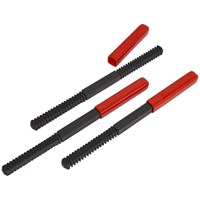
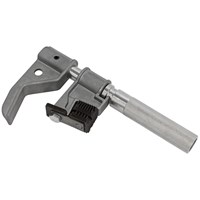
Thread repair tools are essential equipment for restoring damaged or worn internal and external threads on fasteners, components and assemblies. MyToolShed.co.uk stocks a comprehensive range of threading solutions including adjustable thread restorers, thread cleaners, rethreading dies, taps and specialised files. These tools enable tradespeople and engineers to salvage stripped or cross-threaded components without costly replacements, minimising downtime and reducing material waste on site.
The category encompasses both standalone repair tools and complete thread repair kits containing drill bits, taps, thread inserts and installation tools. Whether you're dealing with external threads on bolts and studs or internal threads in tapped holes, MyToolShed offers professional-grade solutions from trusted brands including Draper and Noga DeBurrs to restore thread integrity and functionality.
Applications
Thread repair tools are indispensable across numerous trades and industries:
- Automotive mechanics - repairing damaged spark plug threads, sump plug holes and engine block threads
- Plant and machinery maintenance - restoring threads on industrial equipment, hydraulic systems and agricultural machinery
- General engineering - salvaging expensive components with damaged threads in manufacturing environments
- Plumbing and heating engineers - repairing pipe threads and valve fittings
- Marine engineering - addressing corrosion-damaged threads on boats and marine equipment
- Maintenance and facilities management - general thread restoration across commercial and industrial premises
- DIY enthusiasts - home repairs and restoration projects involving threaded fasteners
Choosing The Right Thread Repair Tools
Selecting appropriate thread repair tools depends on several key factors:
Thread type and size: Identify whether you're repairing metric or imperial threads, and measure the diameter and pitch accurately. Thread restorers and gauges help determine exact specifications before beginning repairs.
Internal vs external threads: External threads on bolts require die nuts or thread restoring files, whilst internal threads need taps, threading tools or insert kits depending on damage severity.
Damage assessment: Minor debris or corrosion can often be cleaned with thread chasers or files. Severely damaged threads may require drilling out and installing thread inserts to maintain original specifications.
Application criticality: For load-bearing or safety-critical applications, thread inserts provide superior strength compared to rethreaded original material. Consider whether temporary repair suffices or if permanent restoration is essential.
Material compatibility: Ensure repair tools are suitable for the parent material—steel, aluminium, cast iron or other metals each require appropriate tooling and technique.
Frequently Asked Questions
Can I use thread repair tools on stainless steel components?
Yes, but stainless steel is harder and more work-hardening than mild steel. Use high-quality HSS or carbide tools, apply generous cutting fluid, work slowly with steady pressure, and avoid reversing taps as this can cause galling or breakage.
What's the difference between thread chasing and thread cutting?
Thread chasers restore existing threads by cleaning and realigning them without removing significant material. Thread cutting taps create new threads or remove more material during rethreading. Chasers are preferable when original thread form is largely intact, whilst taps are necessary for severely damaged threads.
Are thread inserts stronger than the original thread?
Quality thread inserts, when properly installed, often provide greater strength than the original tapped thread, particularly in softer materials like aluminium. They distribute loads more evenly and resist stripping, making them ideal for high-stress applications and permanent repairs.