

Thermal Detectors
Pay in 3 interest-free payments on purchases from £30-2000 with  . Learn more.
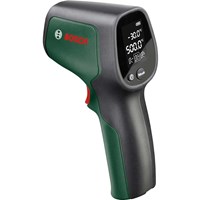
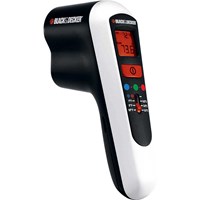
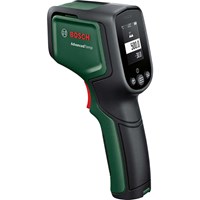
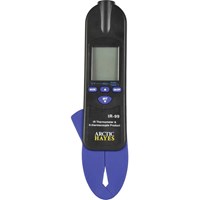

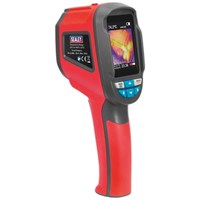
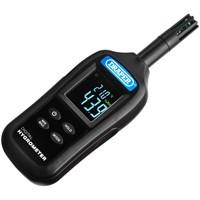
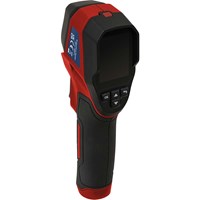
 Loading...
End of content
Error - No more pages to load
About Thermal Detectors
Thermal detectors are essential diagnostic tools that enable tradespeople and DIY enthusiasts to identify temperature variations, heat loss, moisture problems, and electrical faults quickly and accurately. This category at MyToolShed.co.uk includes infrared thermometers, thermal imaging cameras, moisture detectors, and specialised instruments like anemometers and hygrometers. These non-contact devices use infrared technology to measure surface temperatures or create thermal images, making them invaluable for preventative maintenance, energy surveys, and fault-finding across multiple trades.
From handheld infrared thermometers ideal for quick spot checks to advanced thermal imaging cameras that reveal hidden problems, MyToolShed stocks professional-grade equipment from trusted brands including Bosch Professional, Sealey, Ridgid, and Draper. Whether you're diagnosing HVAC issues, detecting electrical hot spots, identifying water ingress, or conducting energy audits, thermal detection equipment provides instant, accurate readings without disturbing surfaces or systems.
Applications
- Electricians: Identifying overheating circuits, loose connections, and faulty components in distribution boards and electrical installations
- Plumbers and heating engineers: Locating leaks, detecting underfloor heating faults, checking radiator efficiency, and diagnosing boiler problems
- Building surveyors: Conducting thermal surveys, identifying insulation deficiencies, detecting damp and moisture ingress
- HVAC technicians: Testing air conditioning performance, measuring airflow with anemometers, checking ventilation systems
- Property maintenance: Energy efficiency assessments, draught detection, and general building diagnostics
- Automotive mechanics: Checking engine temperatures, brake systems, and electrical components
- DIY enthusiasts: Home energy audits, identifying heat loss, and general troubleshooting
Choosing The Right Thermal Detectors
When selecting thermal detection equipment, consider the temperature range required for your applications. Basic infrared thermometers typically measure from -50°C to +500°C, whilst specialist models extend beyond 1000°C. For detailed thermal imaging, cameras offer visual heat maps with varying resolutions—higher pixel counts provide clearer images for professional diagnostics.
Accuracy and distance-to-spot ratio are crucial factors. Professional thermal detectors offer accuracy within ±1-2%, whilst the distance-to-spot ratio determines how far you can measure accurately. Battery-powered models, including 12v rechargeable options, provide excellent portability for site work. Additional features like Bluetooth connectivity, moisture detection capabilities, and dual measurement modes add versatility. Consider whether you need a basic spot-check thermometer or a comprehensive imaging system with recording capabilities for detailed reports.
Frequently Asked Questions
What's the difference between an infrared thermometer and a thermal imaging camera?
An infrared thermometer measures the temperature of a single spot and displays a numerical reading, making it ideal for quick checks. A thermal imaging camera creates a complete heat map showing temperature variations across an entire surface, revealing hidden problems and providing visual evidence for reports. Cameras are more expensive but offer far greater diagnostic capabilities.
Can thermal detectors find water leaks behind walls?
Thermal detectors can identify moisture problems by detecting temperature differences caused by water ingress and evaporation. Wet areas typically appear cooler than surrounding dry surfaces. For best results, use models with dedicated moisture detection modes like the Bosch GIS range, which combine thermal and moisture sensors for accurate diagnostics.
Do I need a professional-grade thermal detector for DIY use?
For occasional home use such as finding draughts or checking insulation, an entry-level infrared thermometer or basic thermal detector is perfectly adequate. Professional tradespeople requiring daily use, detailed reporting, or specific certifications should invest in professional-grade equipment from brands like Bosch Professional or Sealey for reliability and accuracy.