

Syphon Pumps
Pay in 3 interest-free payments on purchases from £30-2000 with  . Learn more.
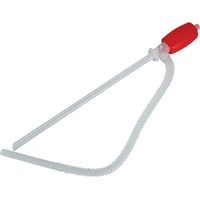
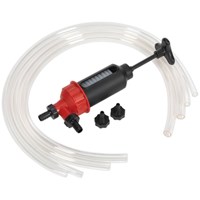
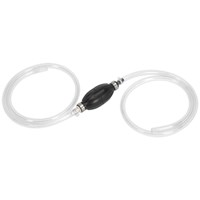
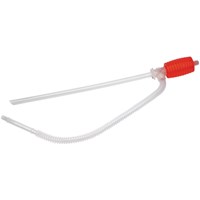
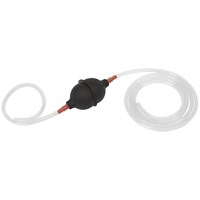
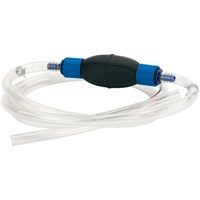
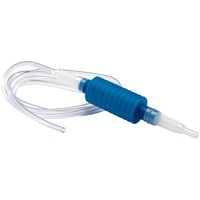
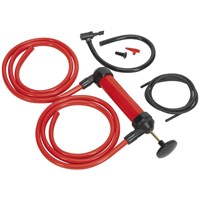
 Loading...
End of content
Error - No more pages to load
About Syphon Pumps
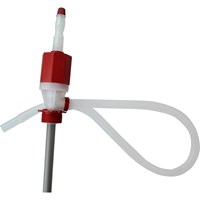
Syphon pumps are indispensable tools for safely transferring liquids from one container to another without the need for tipping or pouring. Whether you're working with petrol, diesel, heating oil, water, or other non-corrosive fluids, a quality syphon pump makes fluid transfer quick, clean, and controlled. MyToolShed.co.uk stocks a comprehensive range of syphon pumps from trusted brands including Sealey, Draper, and Faithfull, designed to meet the demands of professional tradespeople and DIY enthusiasts alike.
Our selection includes manual squeeze siphon pumps for occasional use, heavy-duty piston pumps for regular fluid transfers, and specialist emergency fuel transfer kits for roadside situations. From simple hand-operated models to multi-purpose pump kits with various attachments, these tools are invaluable for automotive maintenance, heating oil management, garden equipment servicing, and countless workshop applications. Modern syphon pumps feature anti-spill valves, flexible hoses of varying lengths, and ergonomic designs that make fluid transfer safer and more precise than improvised methods.
Applications
- Vehicle Mechanics and Auto Electricians: Draining fuel tanks during repairs, transferring fluids between vehicles, and general workshop maintenance tasks
- Agricultural Workers: Managing diesel for tractors and machinery, transferring heating oil, and maintaining equipment fuel systems
- Marine Engineers and Boat Owners: Transferring marine diesel, managing fuel supplies on vessels, and draining bilges
- Heating Engineers: Working with heating oil systems, boiler maintenance, and oil tank servicing
- Groundskeepers and Gardeners: Draining fuel from lawnmowers, strimmers, and petrol-powered equipment for winter storage
- Plant Operators: Managing fuel supplies for generators, compressors, and construction plant equipment
- Recovery and Breakdown Services: Emergency fuel transfers from stranded or damaged vehicles
- DIY Enthusiasts: General household fluid transfer tasks, aquarium maintenance, and vehicle upkeep
Choosing The Right Syphon Pumps
Liquid Type: First identify what you'll be transferring. Fuel syphon pumps feature chemical-resistant materials suitable for petrol and diesel, whilst general-purpose pumps handle water, oils, and non-corrosive liquids. Never use a pump with incompatible fluids to avoid material degradation.
Pump Mechanism: Manual squeeze bulb pumps offer simplicity for occasional use, whilst piston-operated pumps provide greater control for regular applications. Piston pumps generally require less repeated effort when transferring larger volumes.
Hose Length: Standard pumps feature hoses between 1.8 and 2.5 metres. Longer hoses provide versatility for reaching deep tanks, whilst shorter hoses are more portable. Most quality pumps at MyToolShed.co.uk include reinforced, kink-resistant hoses.
Flow Rate: If you regularly transfer large volumes, prioritise pumps with higher flow rates. Emergency kits emphasise portability, whilst workshop pumps focus on efficiency for frequent use.
Safety Features: Look for anti-spill valves, secure connections, and primer bulbs that prevent accidental mouth contact with fuel—essential when working with toxic liquids.
Safety Information
Always work in well-ventilated areas when transferring flammable liquids like petrol and diesel. Fuel vapours are highly flammable and heavier than air, so can accumulate at ground level. Never attempt to prime a fuel syphon pump by mouth—use the built-in primer bulb or piston mechanism to eliminate ingestion risks.
Keep all ignition sources, including cigarettes, naked flames, and spark-producing tools, well away from fuel transfer operations. Wear chemical-resistant gloves and safety glasses to prevent skin contact and eye splashes. Always transfer liquids into approved containers designed for the specific substance, and have absorbent materials readily available for spills.
Be aware of COSHH regulations when handling oils, fuels, and chemicals in workplace settings. Dispose of contaminated materials according to local environmental regulations, and store syphon pumps clean and dry, away from direct sunlight and extreme temperatures.
Frequently Asked Questions
Can I use the same syphon pump for both petrol and water?
It's not recommended to use the same pump for different liquid types. Petrol and diesel leave residues that contaminate water, and fuel-specific pumps use materials optimised for hydrocarbon resistance. For versatility, maintain separate pumps for different applications to prevent cross-contamination.
How do I start the syphon action without sucking on the hose?
Modern syphon pumps include built-in priming mechanisms. Squeeze-bulb models require repeated compression to draw liquid into the hose. Piston pumps use a plunger action—several strokes create the necessary suction. Once liquid begins flowing and the outlet remains lower than the source, gravity maintains the syphon action automatically.
Can syphon pumps handle thick oils and viscous liquids?
Standard syphon pumps work best with low-viscosity liquids like petrol, diesel, water, and light oils. Heavy-duty piston pumps cope better with viscous fluids than squeeze-bulb types. For very thick substances like gear oil, consider a dedicated barrel pump designed for high-viscosity applications.