
Sprays & Lubricants

Pay in 3 interest-free payments on purchases from £20-£3000 with  . Learn more.
Loading...
End of content
Error - No more pages to load
About Sprays & Lubricants
Professional sprays and lubricants are essential maintenance products for tradespeople and DIY enthusiasts, designed to solve common problems encountered across plumbing, heating, automotive, and general engineering tasks. MyToolShed.co.uk stocks a carefully selected range of specialist sprays including freeze release formulas, silicone greases, leak detection sprays, and safety testing products from trusted brands like Arctic Hayes and Everbuild.
From loosening seized bolts with shock freeze technology to detecting gas leaks and maintaining smooth-running mechanisms with silicone lubricants, these professional-grade sprays deliver reliable performance when you need it most. Whether you're a heating engineer servicing boilers, a plumber installing gas appliances, or a mechanic working on stubborn fixings, having the right spray or lubricant in your toolkit can save valuable time and prevent damage to components.
Applications
Sprays and lubricants from MyToolShed.co.uk serve multiple trades and applications:
- Plumbers and Gas Engineers: Gas leak detection sprays for testing pipe joints and connections during installation and servicing
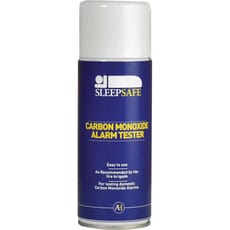
- Heating Engineers: Carbon monoxide alarm tester sprays for verifying detector functionality during annual services
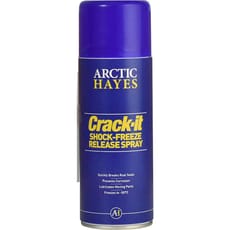
- Mechanics and Auto Technicians: Freeze release sprays for removing seized bolts, nuts, and corroded fixings without damage
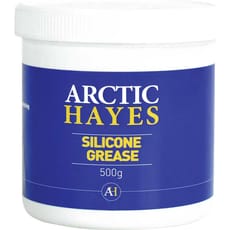
- General Maintenance: Silicone greases for lubricating o-rings, seals, rubber components, and mechanisms exposed to temperature extremes
- Manufacturing and Engineering: Preventative maintenance of machinery, tools, and equipment
- DIY Enthusiasts: Home repairs, automotive work, and general maintenance tasks
Choosing The Right Sprays & Lubricants
Selecting the appropriate spray or lubricant depends on your specific application:
- Release Sprays: Shock freeze formulas work by rapidly cooling seized components to break corrosion bonds, ideal for stubborn nuts and bolts
- Leak Detection: Non-corrosive, bubble-forming sprays specifically formulated for testing gas pipes and fittings to British standards
- Lubricants: Choose silicone-based greases for applications requiring temperature resistance and compatibility with rubber and plastic components
- Testing Sprays: Purpose-designed products for verifying carbon monoxide detector operation without harmful gas exposure
- Compliance: Ensure products meet relevant safety standards for your trade, particularly for gas work and safety equipment testing
Safety Information
Many sprays contain flammable propellants and should be stored away from ignition sources and direct sunlight. Always use in well-ventilated areas and wear appropriate PPE including safety glasses when applying aerosol products. Gas leak detection sprays must be non-corrosive and suitable for use on the specific materials in your system. Keep all sprays away from children and never spray near open flames or electrical equipment. Read manufacturer instructions carefully before use and dispose of empty cans responsibly according to local regulations.
Frequently Asked Questions
What's the difference between freeze spray and penetrating oil?
Freeze sprays like shock release products work by rapidly cooling seized components to minus temperatures, causing contraction that breaks corrosion bonds instantly. Penetrating oils work chemically over time. Freeze sprays provide immediate results without waiting periods, making them ideal for professional tradespeople working to tight schedules.
Can I use any leak detection spray for gas pipes?
No, only use leak detection sprays specifically formulated for gas work, such as those stocked at MyToolShed.co.uk. These products are non-corrosive and safe for use on gas pipe materials, creating visible bubbles at leak points without damaging fittings or seals.
How often should I test carbon monoxide alarms?
Carbon monoxide detectors should be tested monthly using a dedicated CO alarm tester spray to ensure they're functioning correctly. This is particularly important for heating engineers conducting annual boiler services where verification of safety equipment is essential.