

Soldering Irons
Pay in 3 interest-free payments on purchases from £30-2000 with  . Learn more.
 Loading...
End of content
Error - No more pages to load
About Soldering Irons
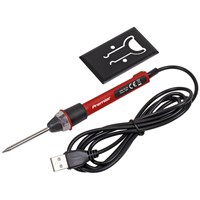
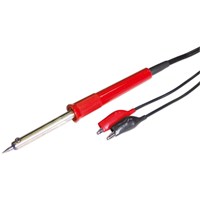
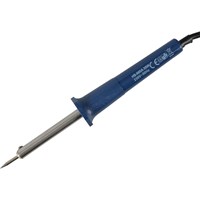
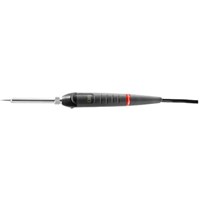
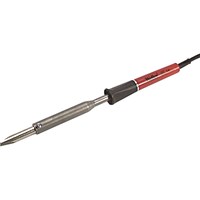
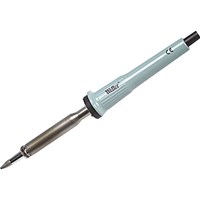
Soldering irons are essential tools for joining metal components using solder, creating strong electrical connections and heat-conductive joints across electronics, plumbing, and automotive applications. MyToolShed.co.uk stocks a comprehensive range of soldering equipment, from basic pen-style irons for occasional DIY use to professional temperature-controlled stations for precision electronics work. With 47 products from leading manufacturers including Sealey, Draper, and Weller, you'll find the right soldering solution whether you're repairing circuit boards, joining copper pipes, or working on automotive wiring.
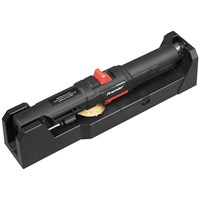
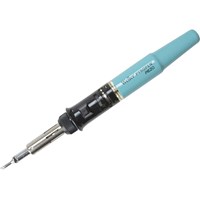
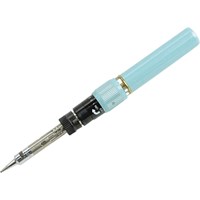
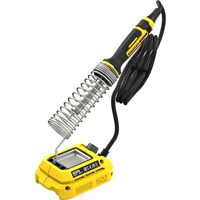
Our selection includes 240v mains-powered soldering irons for workshop use, cordless battery-powered models from Milwaukee and Draper Storm Force for site work, and versatile gas-powered options like Sealey's 3-in-1 indexing soldering irons for locations without electricity. From compact 25W irons for delicate electronics to heavy-duty 100W models for larger joints, MyToolShed.co.uk offers complete soldering kits with essential accessories including stands, solder wire, and replacement tips.
Applications
Soldering irons serve professionals and enthusiasts across diverse trades and industries:
- Electronics Technicians: Circuit board repairs, component replacement, and device assembly
- Electricians: Wire joining, electrical connections, and automotive wiring repairs
- Plumbers: Copper pipe soldering, heating system joints, and watertight connections
- Automotive Technicians: Wiring harness repairs, sensor connections, and ECU work
- Jewellers: Precious metal joining and intricate metalwork
- Appliance Engineers: White goods repairs and control board fixes
- Hobbyists and Makers: Electronics projects, Arduino work, drone assembly, and model making
- Stained Glass Artists: Copper foil and lead came joining
Choosing The Right Soldering Irons
Wattage selection depends on your application—delicate PCB work requires 15-30W to prevent component damage, general electronics suit 30-60W irons, whilst heavy-duty plumbing and metalwork need 80-100W for adequate heat transfer. Temperature-controlled stations from Weller and Draper offer precise heat management between 200-450°C, essential for professional work and protecting sensitive components.
Consider your working environment when selecting power sources. Mains-powered 240v soldering irons deliver consistent workshop performance, cordless battery models provide genuine portability for site work, and gas-powered options offer ultimate flexibility without electricity requirements. Brands like Sealey dominate our range with 26 products, offering reliable solutions across all power levels and price points.
Budget considerations should balance initial cost against durability. Entry-level irons from Blue Spot and Faithfull suit occasional DIY use, mid-range Sealey and Draper options provide better temperature stability for regular use, whilst professional Weller equipment justifies higher investment through superior performance in demanding environments. Complete kits including stands, solder, and accessories offer excellent value for those setting up their toolkit.
Safety Information
Soldering irons reach temperatures exceeding 400°C and present significant burn risks. Always use the provided stand when not actively soldering and allow adequate cooling before storage. Work in well-ventilated areas or use fume extraction, particularly with flux or lead-containing solder, as fumes cause respiratory irritation. Ensure 240v mains-powered equipment complies with UK electrical safety standards and undergoes regular PAT testing in commercial environments. Wear eye protection as flux can spit and molten solder may splatter. Wash hands thoroughly after soldering to remove flux residues and metal particles, following HSE guidance for safe working practices.
Frequently Asked Questions
What wattage soldering iron do I need for electronics work?
For general electronics repair and PCB work, a 30-50W soldering iron provides sufficient heat without risking component damage. Delicate surface-mount work requires 15-25W with precise temperature control, whilst larger through-hole components work better with 50-60W. A temperature-controlled station offers the best versatility across different applications.
What's the difference between a soldering iron and a soldering station?
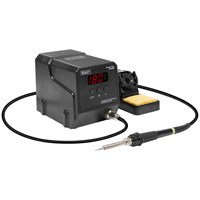
A basic soldering iron is a standalone tool with fixed or limited temperature adjustment, suitable for occasional use. A soldering station includes a separate control unit with precise digital temperature control, faster heat-up times, and better temperature stability. Stations suit professional environments requiring consistent results, whilst simple irons suffice for occasional DIY work.
Do I need a cordless soldering iron?
Cordless soldering irons excel for site work, automotive repairs, and locations without convenient mains power. Modern lithium-ion models from Milwaukee and Draper deliver performance comparable to corded irons with genuine portability. However, for workshop-based work with ready 240v power access, corded irons provide unlimited runtime and consistent performance.